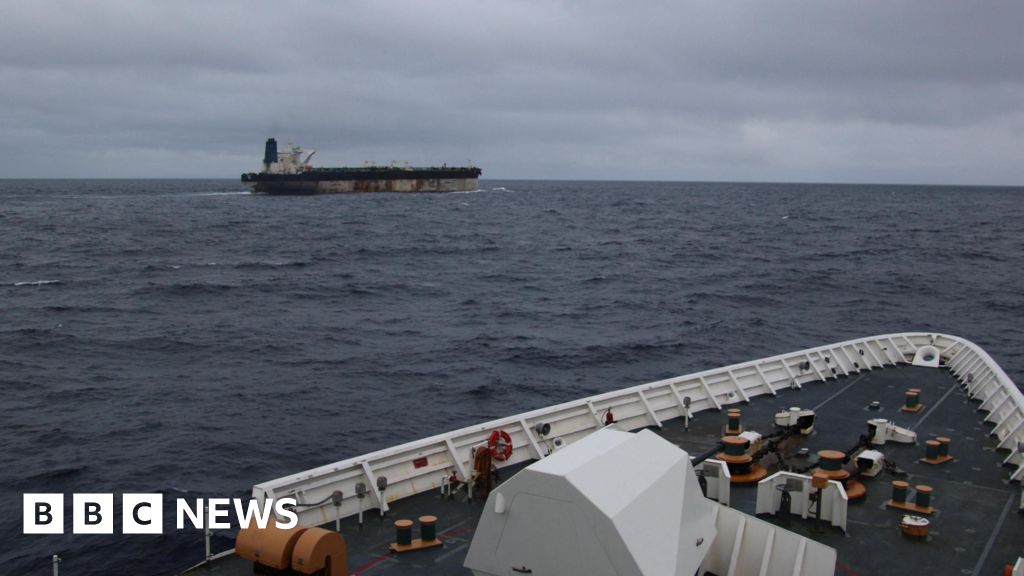
UK forces approved to board and detain Russia's 'shadow fleet' in UK waters; government has sanctioned 544 vessels and estimates ~75% of Russian crude is transported on ageing ships. Specialist units (potentially SBS and Royal Marines) have completed training and a first operation is expected soon, raising enforcement risk for sanctioned shipping and modestly increasing upside pressure on oil and shipping-sector risk premiums.
Active, targeted interdiction of non-compliant tankers will fragment the market for crude transport into ‘‘compliant’’ and ‘‘shadow’’ pools; expect charterers to pay a premium to stay in the compliant pool rather than risk delays or seizure. That bifurcation typically manifests as a 20–50% spike in short-term charter rates for compliant older vintages within weeks, and a 10–30% rise in war‑risk and P&I premiums concentrated on routes feeding the UK/European refining complex.
Operational countermeasures (increased STS transfers, longer loitering, reroutes to avoid sensitive waters) raise per‑barrel transport cost and latency; add roughly $0.5–$2.0/bbl in incremental logistics and insurance friction for affected cargoes and pull forward demand for larger, better-insured VLCC/Aframax owners. That favors publicly listed asset-rich operators and brokers who can internalize compliance/legal costs and capture higher time-charter pricing.
Geopolitical tail risks are asymmetric: a measured enforcement program will tighten markets moderately, while a misstep (violent boarding, legal backlogs, or Russian retaliation via cyber/denial tactics) could produce episodic spikes in freight and insurance that last months and invite litigation that undermines seizure economics. Reversal catalysts include rapid diplomatic agreements, court rulings limiting military interdiction, or widespread adoption of at-sea de-flagging workarounds (which would re-expand the shadow pool and compress risk premia).
Net implication: this is a structural nudging of market microstructure more than a one-off shock — durable incremental revenue for defense and compliant shipping/insurance incumbents, sustained cost pressure for short‑term charterers and non‑compliant owners. Positioning should trade the legal/operational timeline (weeks→months) and be hedged for tail escalation events.
AI-powered research, real-time alerts, and portfolio analytics for institutional investors.
Request DemoOverall Sentiment
neutral
Sentiment Score
0.00
