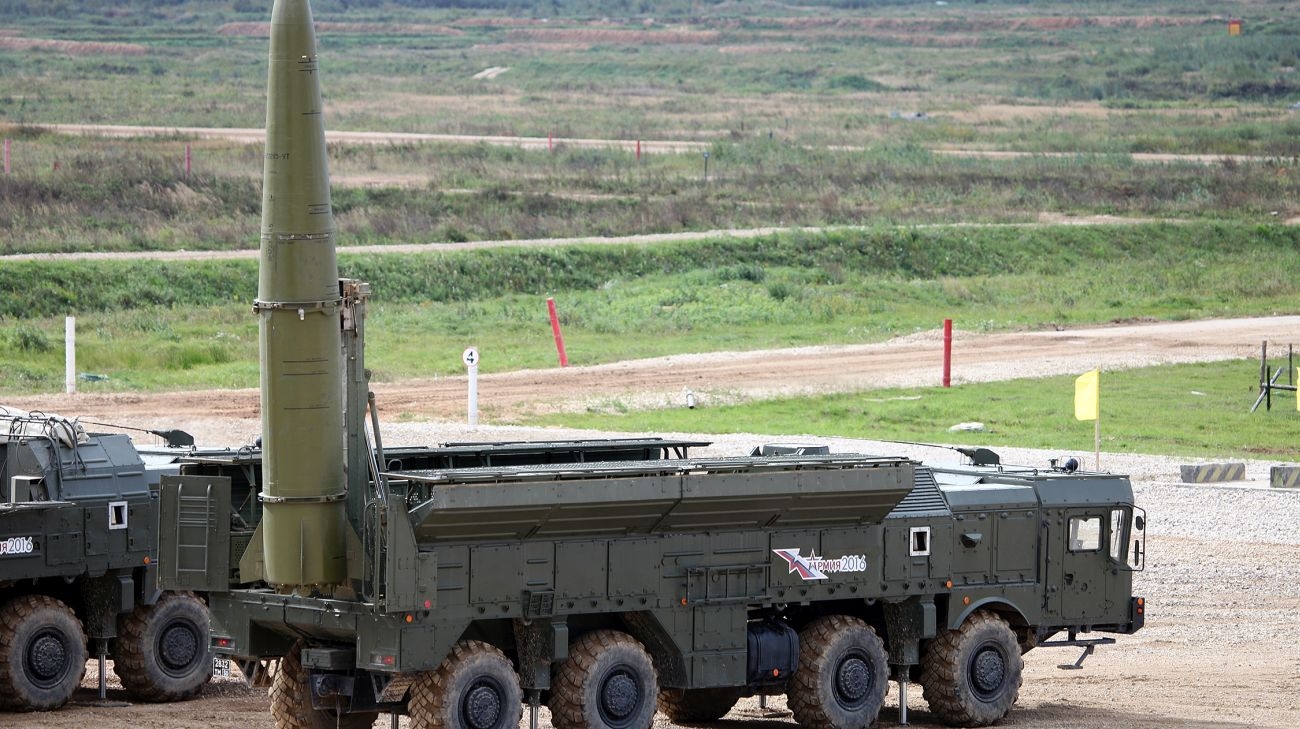
Ukraine's intelligence reveals Russia's ambitious military production targets for 2025, including 57 modern fighter jets, nearly 250 T-90M tanks, and almost 2,500 high-precision missiles, alongside significant growth in UAVs. This sustained output, part of a long-term armament program extending to 2037, prioritizes increasing missile range and accuracy, potentially in preparation for a wider combat radius against NATO by 2030, and aims to raise uncrewed systems to 40% of battlefield assets, signaling continued military escalation and strategic reorientation.
Intelligence from Ukraine's DIU indicates Russia is executing a significant, long-term military-industrial expansion, with ambitious production targets for 2025 that include nearly 2,500 high-precision missiles, 57 modern fighter jets, and approximately 250 new T-90M tanks. This plan refutes suggestions that Moscow is de-prioritizing heavy equipment; instead, it reveals a dual focus on scaling up both conventional armaments and next-generation systems like UAVs, with a stated goal of raising uncrewed systems to 40% of battlefield assets. The strategic planning extends far beyond the current conflict, with a detailed armament program running from 2026 to 2037. This long-range strategy explicitly aims to enhance missile capabilities—specifically range, accuracy, and warhead capacity—in preparation for a potential conflict with NATO by 2030. The sustained investment across the entire military spectrum, from tanks to hypersonic missiles, signals a deep-seated strategic commitment to re-armament, heightening geopolitical tensions and implying a prolonged period of instability and military competition in Eastern Europe.
AI-powered research, real-time alerts, and portfolio analytics for institutional investors.
Request DemoOverall Sentiment
strongly negative
Sentiment Score
-0.70
