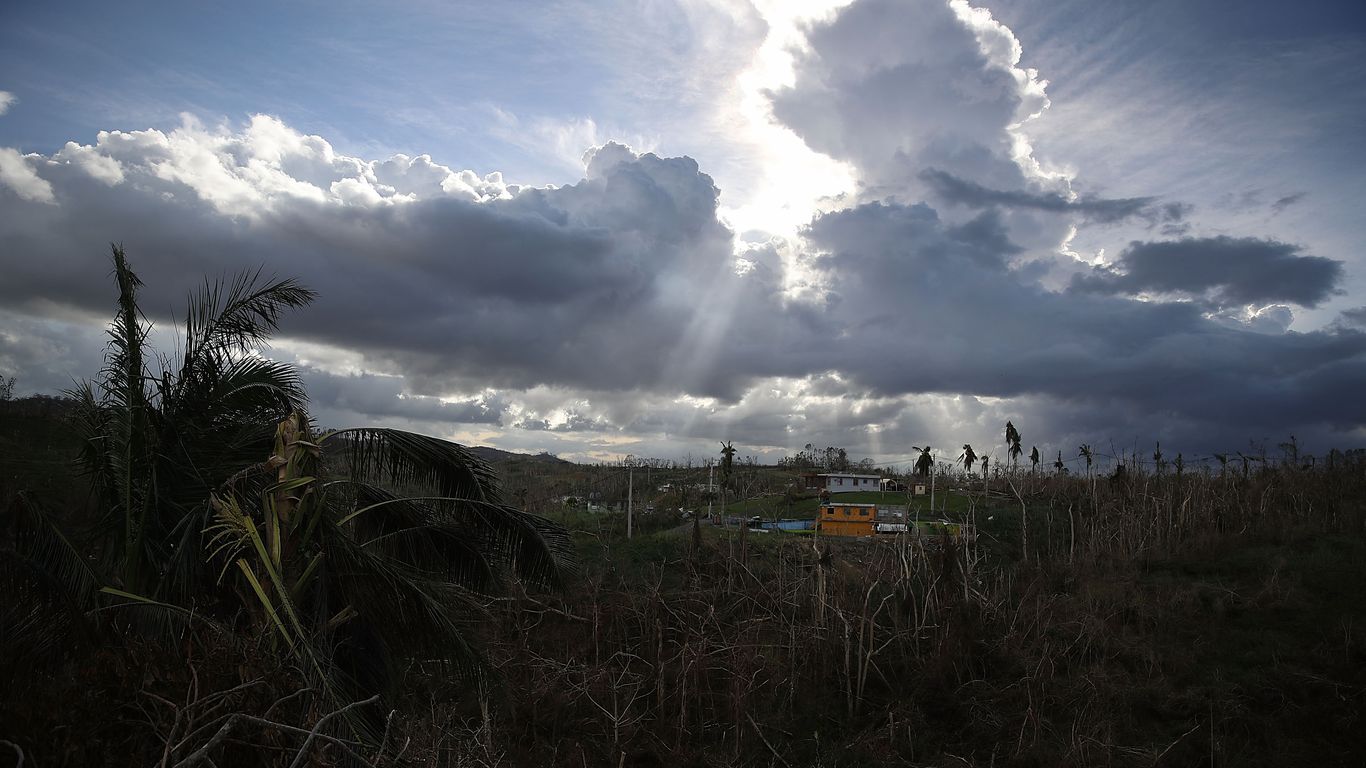
Hurricane Erin, the first of the 2025 season, is forecast to intensify to a Category 4, threatening significant flash flooding and mudslides across the Caribbean Islands, while the US East Coast anticipates dangerous surf. This aligns with NOAA's prediction for an above-normal hurricane season, which could see up to five major hurricanes. Critically, recent administrative actions, including staff reductions and initial suspension of vital satellite data distribution at NOAA, introduce uncertainty into critical weather and climate forecasting capabilities, potentially heightening unmitigated risks for insurers, infrastructure, and regional economies.
Hurricane Erin, the first of the 2025 season, is projected to rapidly intensify into a major hurricane, potentially reaching Category 4 strength and posing a significant threat of flash flooding and landslides to Caribbean islands including Puerto Rico and the Virgin Islands. While the direct threat to the U.S. East Coast is diminishing, a significant risk of dangerous surf conditions persists. This event aligns with the National Oceanic and Atmospheric Administration's (NOAA) forecast for an above-normal Atlantic season, which anticipates up to five major hurricanes. Critically, this heightened physical risk is compounded by institutional instability at NOAA. The administration's recent firing of specialized staff, proposed cuts to climate research, and a now-reversed plan to suspend vital satellite data distribution introduce significant uncertainty into the nation's forecasting capabilities. This potential degradation of predictive accuracy could shorten lead times for storm preparation and amplify unmitigated risks for exposed sectors such as insurance, regional infrastructure, and agriculture.
AI-powered research, real-time alerts, and portfolio analytics for institutional investors.
Request DemoOverall Sentiment
strongly negative
Sentiment Score
-0.60
