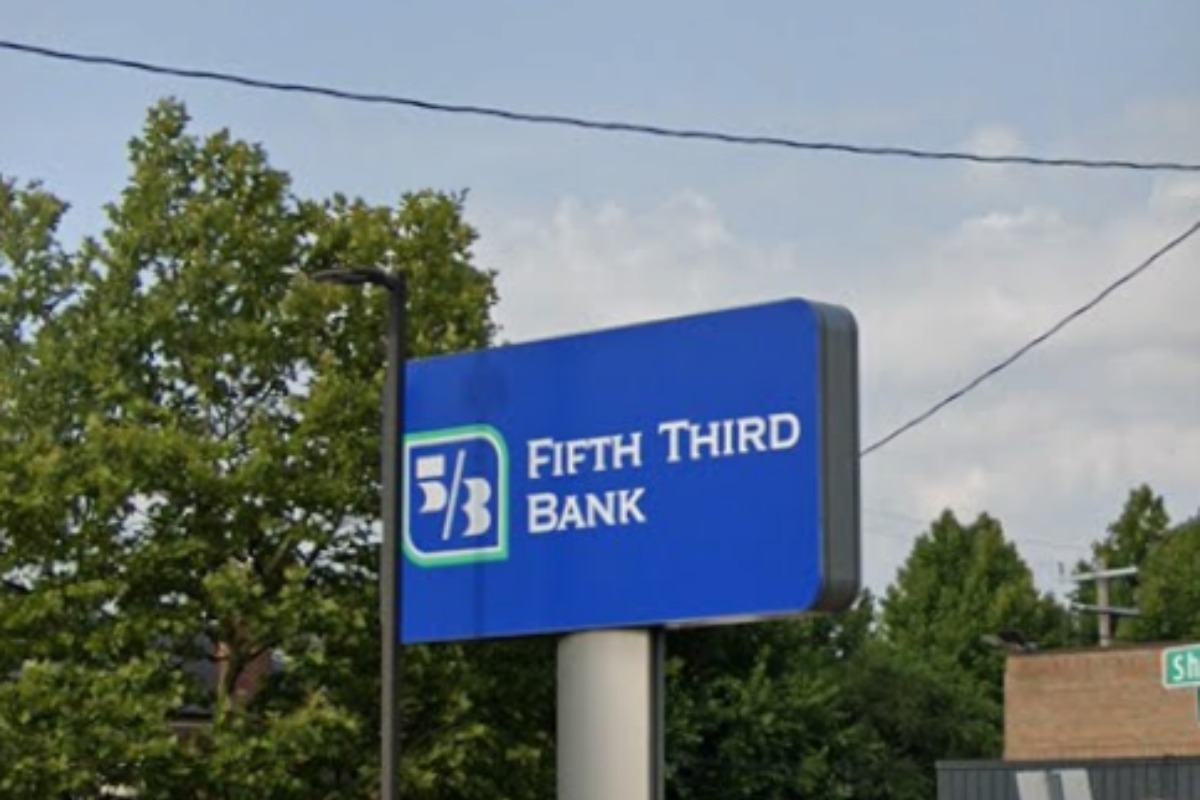
18.4%: Fifth Third projects the combined bank would control roughly 18.4% of Michigan deposits after completing the Comerica acquisition. The bank will designate One Campus Martius in downtown Detroit as its Michigan regional headquarters, announced March 31, 2026, and expects to consolidate about 70 Michigan branches while retaining roughly 60 branches that sit within three miles of another. The merger plan includes a $20 million, three-year community commitment to Detroit’s Gratiot & Seven Mile neighborhood; no timetable for office occupancy or staffing levels has been released.
The strategic repositioning should be read less as a real estate decision and more as a market-share signaling tool: consolidating visible regional presence often precedes aggressive deposit-cost optimization and targeted commercial origination campaigns. Empirically, comparable bank integrations show 2–4% near-term deposit attrition and 150–300 bps of branch cost savings over 12–24 months; management execution on retention programs will determine whether cost saves outweigh churn.
Second-order winners include the acquirer's treasury and liquidity desk (lower local funding costs, higher core deposit stickiness if retention actions work) and downtown landlords who can reprice trophy office space; losers are community banks and credit unions in overlapping catchments that can selectively mine dislocated retail clients. There is also a local CRE repricing risk where vacancy concentration from suburban-to-downtown moves could depress nearby suburban rents and CRE covenants for smaller lenders.
Key risks are regulatory/antitrust remedies and integration-driven customer attrition: an adverse remedy could force divestiture of branches (material to local deposit shares) or require extended holdbacks that compress near-term ROE. Near-term catalysts to watch are regulatory comment filings, the bank’s branch-consolidation timeline, quarter-over-quarter deposit growth in the state, and any public details on staffing/IT cutover — all will move sentiment within 1–6 months and fundamentals in 6–18 months.
AI-powered research, real-time alerts, and portfolio analytics for institutional investors.
Overall Sentiment
mildly positive
Sentiment Score
0.25
Ticker Sentiment
