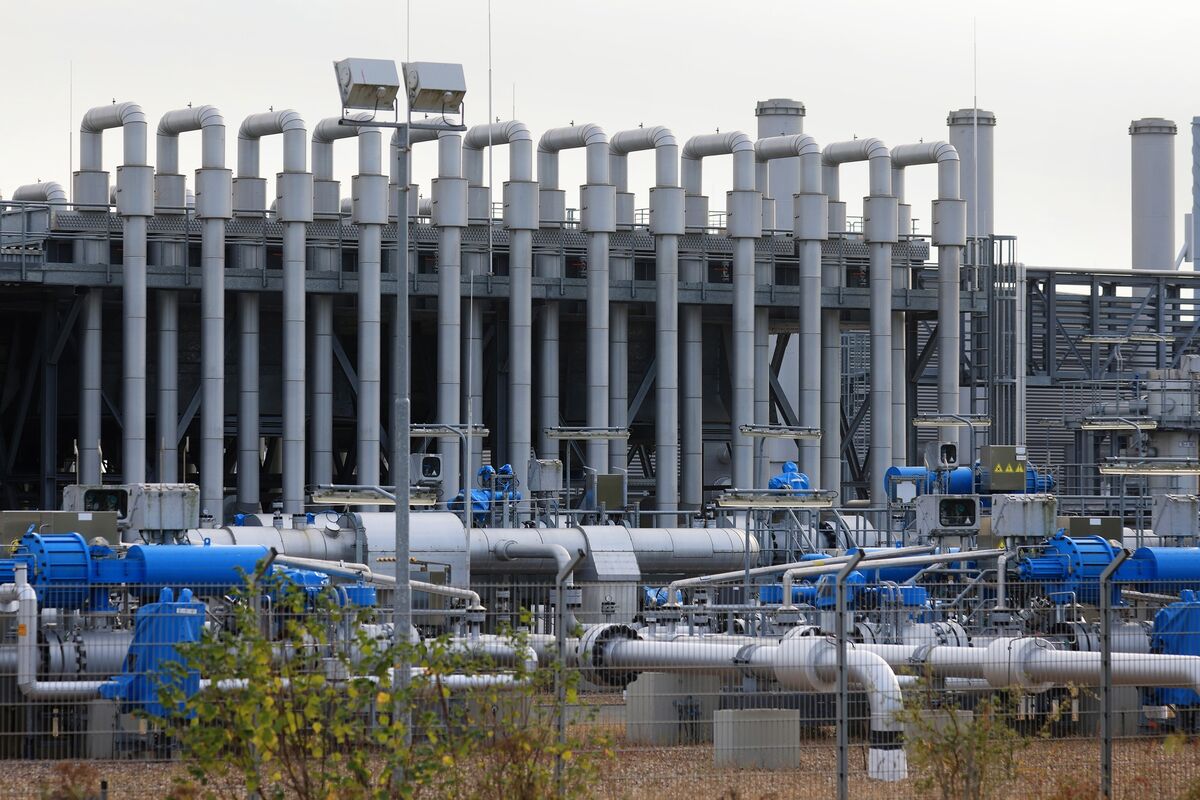
A government-commissioned Frontier Economics study recommends Germany abolish legally binding natural gas storage targets and shift to market-driven stockpiling, while considering a strategic emergency reserve to ensure resilience. The report argues storage mandates that were useful during the energy crisis are now counterproductive under more stable supply conditions and that removing them would restore market signals and promote more efficient inventory behavior—an outcome that could modestly affect gas traders, storage operators and related policy risk but is not an immediate market shock.
Market structure: Removing binding gas‑storage mandates shifts demand from compulsory, calendarized stock builds to opportunistic, price‑sensitive buying. Winners are traders, LNG importers and flexible gas‑fired generators that can capture seasonal arbitrage; losers are contracted storage operators and utilities that relied on guaranteed off‑take. Expect increased summer-to-winter spread volatility (TTF seasonals could widen ±20–40% vs prior years) and more pronounced price discovery in spot markets over the next 3–12 months.
Risk assessment: Tail risk remains a high‑impact winter shock (e.g., Russian pipeline outage or severe cold) that could double TTF winter prices within weeks and force emergency political intervention. Immediate risk (days) is higher spot volatility, short‑term (weeks/months) is collateral/margin stress for levered utilities, long‑term (1–3 years) is capex reallocation into strategic reserves if government chooses to underwrite capacity. Hidden dependencies include interconnector flows, LNG scheduling and EU solidarity clauses that can rapidly reverse market dynamics.
Trade implications: Tradeable moves include directional exposure to German utilities and volatility plays on TTF winter contracts; favor assets with flexible generation or LNG access. Use small, hedged positions and buy asymmetric option protection (OTM winter calls) as insurance while repositioning away from pure storage revenue plays. Expect this regime to evolve over 6–18 months as policy and storage fill signals crystallize.
Contrarian view: Consensus understates the political re‑risk — abolition could be reversed after one tight winter, making pure short storage/utility bets risky. Markets may underprice the winter tail: implied vol is likely too low relative to the state‑intervention risk, creating a persistent premium for deep OTM winter calls. Historical parallel: 2021–22 showed mandates compressed tail risk once enacted; the reverse unravels slowly and unevenly, so size positions for drawdown protection.
AI-powered research, real-time alerts, and portfolio analytics for institutional investors.
Request DemoOverall Sentiment
neutral
Sentiment Score
0.15
