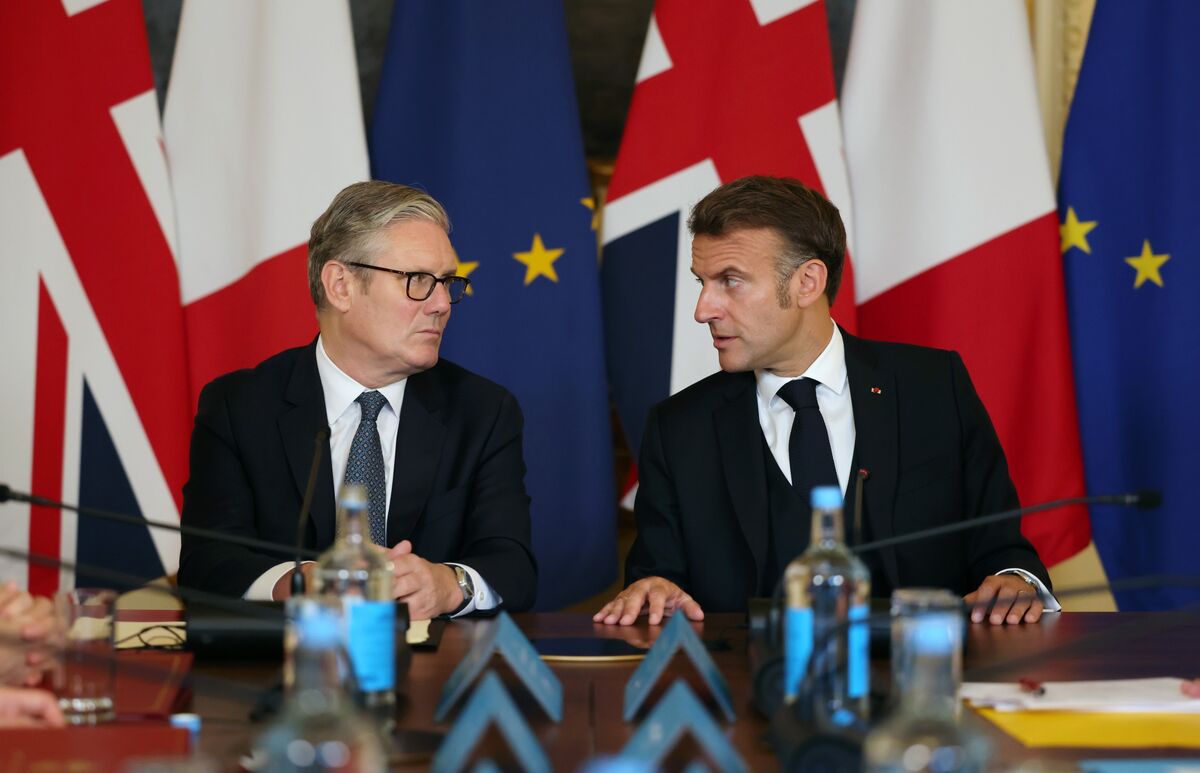
UK Prime Minister Keir Starmer is facing intensified pressure from senior cabinet ministers and French President Emmanuel Macron to swiftly recognize a Palestinian state, driven by the escalating humanitarian crisis in Gaza. This internal and external push underscores a growing diplomatic urgency within the UK government to accelerate its stance on Palestinian statehood, potentially signaling a notable shift in UK foreign policy regarding the Israeli-Palestinian conflict.
UK Prime Minister Keir Starmer is facing mounting pressure from senior cabinet members and French President Emmanuel Macron to accelerate the formal recognition of a Palestinian state. This push, driven by the escalating humanitarian crisis in Gaza, indicates a significant internal debate within the UK government and a potential divergence from its previous, more cautious foreign policy stance. The involvement of key figures like the Health, Justice, and Culture Secretaries suggests this is not a fringe movement but a substantial faction advocating for a policy shift. While the development is geopolitically significant, the neutral sentiment and zero market impact score signal that financial markets are not currently pricing in any immediate or direct economic consequences from this political maneuvering. The event is being viewed as a matter of diplomatic and domestic political concern rather than an imminent market catalyst.
AI-powered research, real-time alerts, and portfolio analytics for institutional investors.
Request DemoOverall Sentiment
neutral
Sentiment Score
0.00
