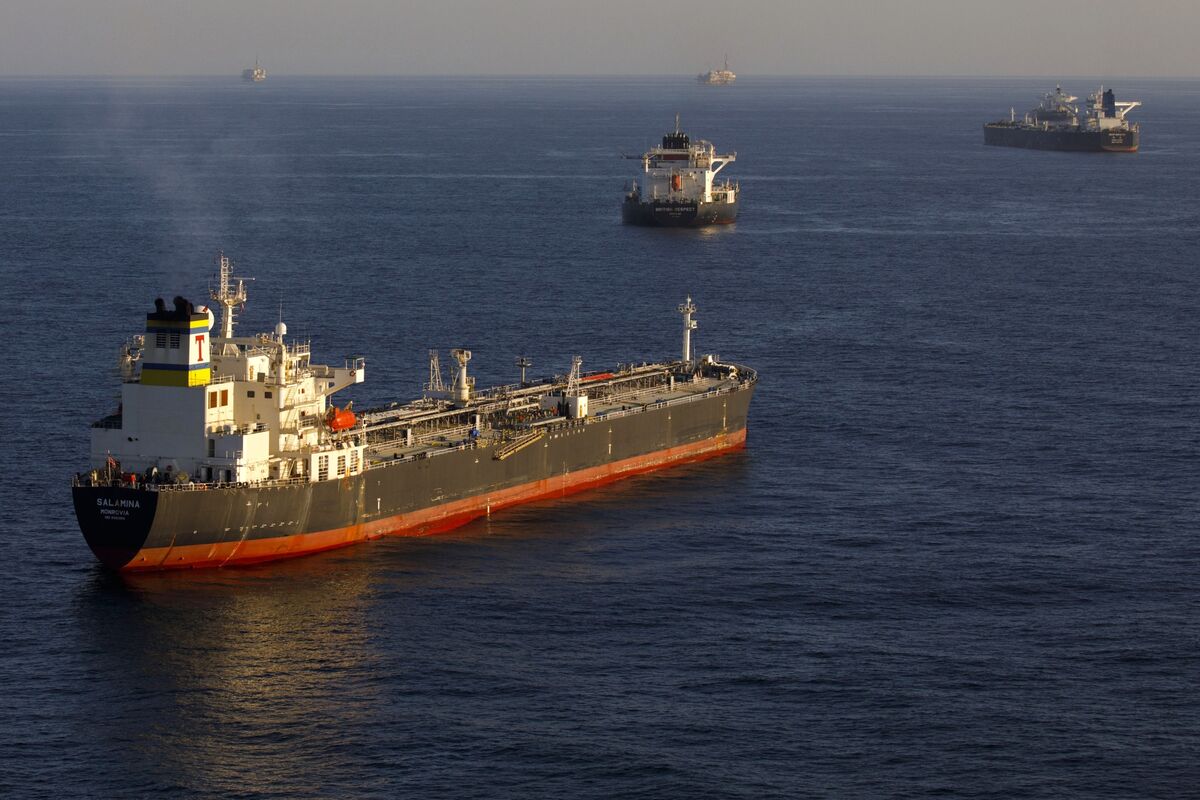
The volume of oil stored on tankers globally has surged to its highest level in over two years, with approximately 1.25 billion barrels currently at sea, according to Vortexa data. This significant increase signals swelling global crude volumes and indicates a likely period of rising supply and potential oversupply in the market, which could impact future oil prices and trading strategies.
The volume of crude oil in transit has surged to its highest level in over two years, with multiple data sources confirming this trend. According to Vortexa, oil at sea now stands at approximately 1.25 billion barrels, a peak not seen since April 2023, while analytics from Kpler and OilX corroborate this with highs dating back to June and May of last year, respectively. This significant build-up in floating inventory serves as a direct and tangible indicator of swelling global supply. The market is facing a potential structural imbalance where production is outpacing immediate demand, leading to a likely period of oversupply. Such conditions historically exert considerable downward pressure on crude oil prices, signaling a bearish turn for the energy market outlook.
AI-powered research, real-time alerts, and portfolio analytics for institutional investors.
Request DemoOverall Sentiment
moderately negative
Sentiment Score
-0.50
