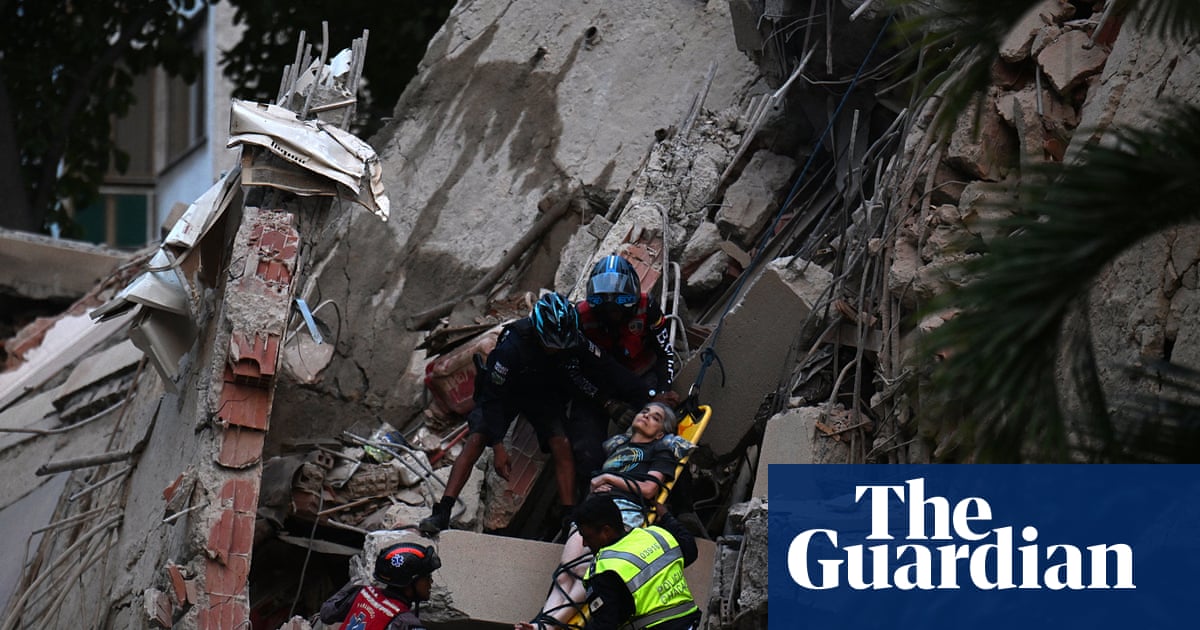
Two earthquakes in Venezuela, including a magnitude 7.5 mainshock and a 7.2 foreshock 39 seconds earlier, caused major damage in Caracas and La Guaira, with at least three collapsed buildings reported in Altamira and severe damage at Simón Bolívar International Airport. The worst-hit areas included the capital, the port city of La Guaira, and nearby residential and public buildings, with multiple injuries and trapped victims reported though no confirmed death toll yet. The event is a major regional shock with likely near-term disruption to transportation, tourism, and local infrastructure.
The immediate market read is not about Venezuela as a sovereign risk event in isolation, but about a localized shock propagating through logistics, tourism, and any asset with physical exposure to the Caracas–La Guaira corridor. The highest beta losers are airport, port-adjacent, hotel, telecom, and utility assets with concentrated infrastructure and limited redundancy; the second-order effect is a temporary but potentially sharp deterioration in operating continuity, insurance claims, and capex intensity for any operator dependent on that node. In a fragile EM credit context, even a short-lived disruption can widen local funding spreads and reduce near-term hard-currency collection for businesses tied to inbound travel and import flow. The bigger medium-term issue is that earthquake damage in a low-trust governance environment often becomes a catalyst for capital flight and broader precautionary behavior rather than just a reconstruction story. If aftershocks continue, the market should expect a multi-week drag on customs throughput, airport traffic, and discretionary spend, with the risk that damaged public infrastructure delays recovery well beyond the physical event. The key tail risk is that emergency response capacity gets stretched, turning a headline disaster into a rolling operational shock that impairs commerce and state logistics for months. Contrarianly, the consensus may underprice the reconstruction trade because any benefit will likely accrue to suppliers that can actually import, insure, and finance inventory rather than local contractors. That argues for looking through the initial risk-off impulse toward regional beneficiaries with balance sheets and regional distribution — but only once damage assessments clarify whether this is a weeks-long disruption or a multi-quarter rebuild cycle. For now, the better trade is to fade assets with direct Venezuela/Caracas dependency and avoid extrapolating a broad EM contagion move unless there is clear evidence of spillover into Caribbean logistics or sovereign funding markets.
AI-powered research, real-time alerts, and portfolio analytics for institutional investors.
Request DemoOverall Sentiment
extremely negative
Sentiment Score
-0.90
