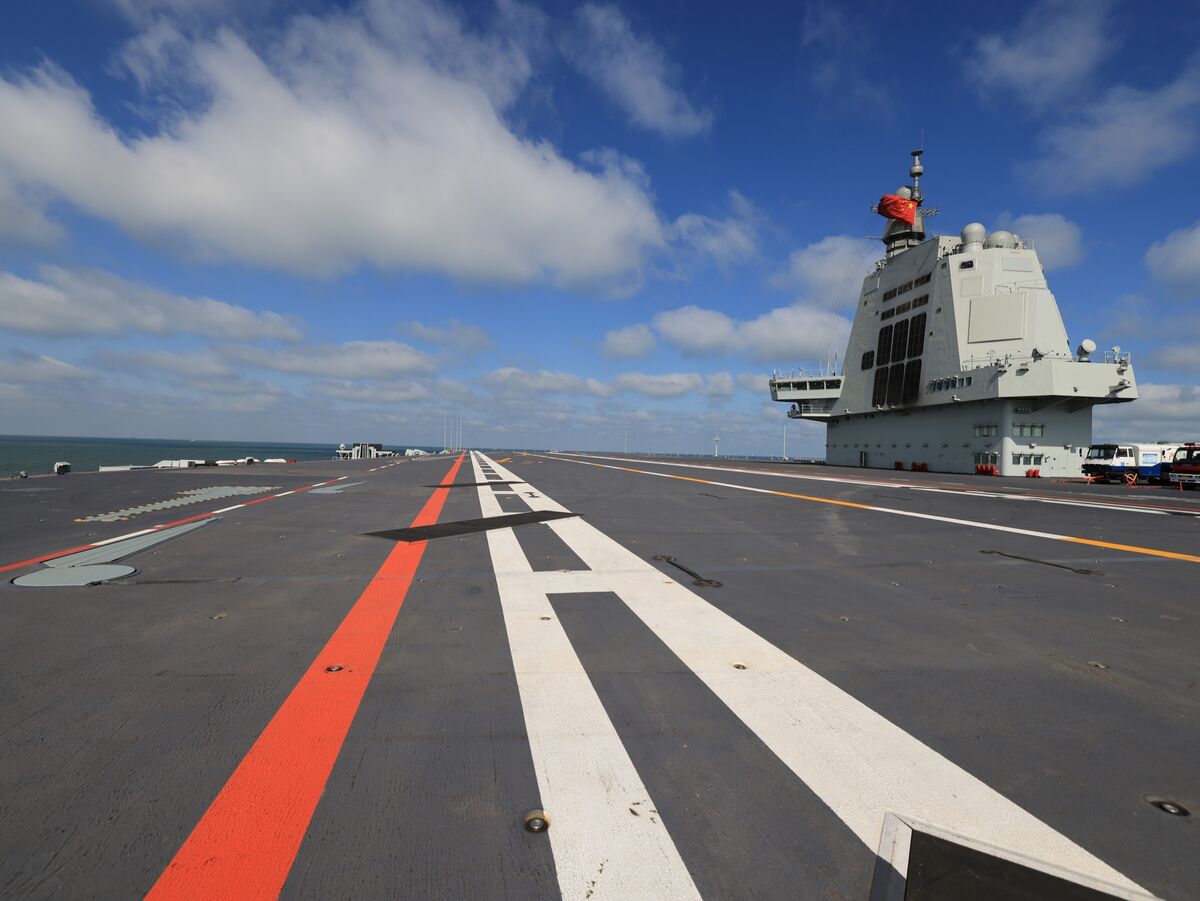
China has for the first time released complete footage demonstrating successful electromagnetic catapult launches from its advanced Fujian aircraft carrier, featuring J-35 and J-15T fighters, along with a KJ-600 airborne radar aircraft. This public display, aired by state broadcaster CCTV, underscores a significant advancement in the country's naval capabilities and power projection, signaling a maturation of its carrier technology.
The public demonstration of successful electromagnetic catapult launches from China's Fujian aircraft carrier represents a significant technological and strategic milestone. The footage, featuring the J-35 and J-15T fighters alongside the KJ-600 airborne radar aircraft, confirms that China's naval aviation is advancing toward a capability level previously exclusive to the U.S. Navy. This development signifies a maturation of China's domestic defense-industrial complex and a qualitative leap in its power projection capabilities. The ability to launch heavier, more heavily armed aircraft more efficiently than traditional steam catapults enhances the operational range and combat effectiveness of its carrier strike groups. While the market impact score is low, indicating no immediate shock, this event solidifies a long-term geopolitical trend of increasing military competition and technological parity in the Indo-Pacific region, directly relevant for the global defense and technology sectors.
AI-powered research, real-time alerts, and portfolio analytics for institutional investors.
Request DemoOverall Sentiment
neutral
Sentiment Score
0.00
