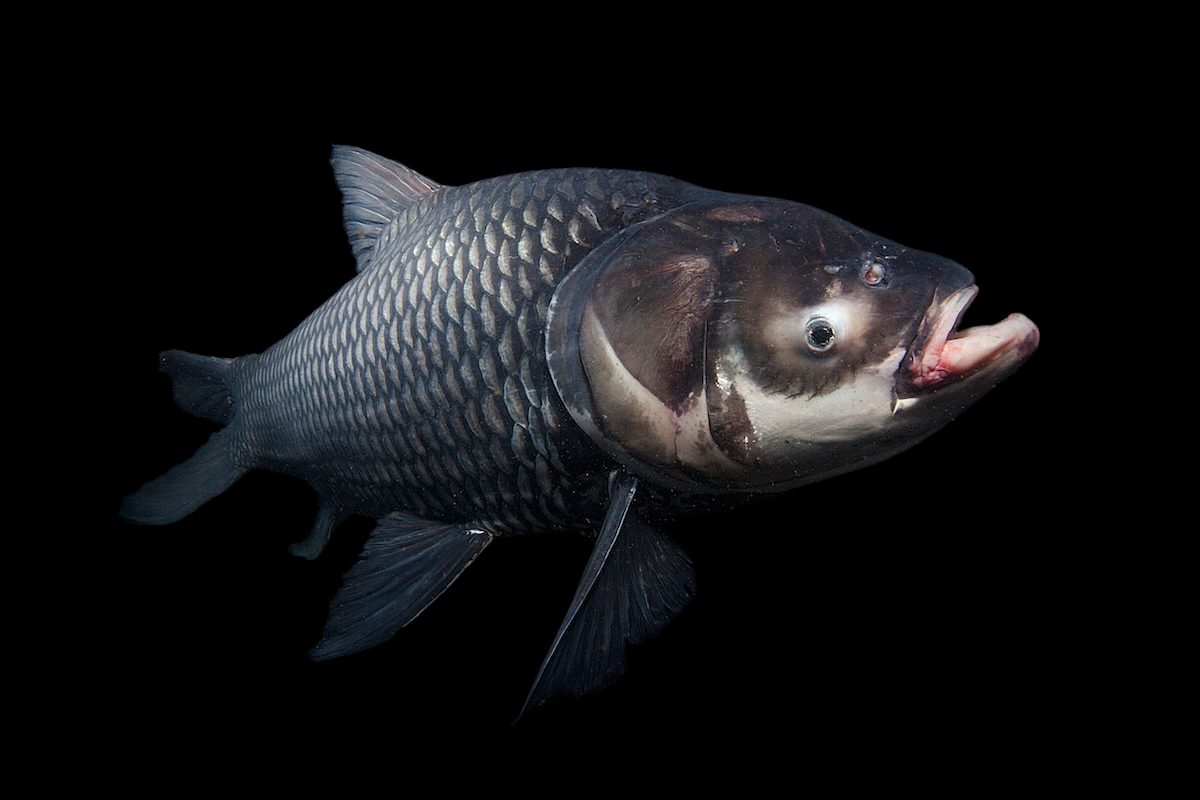
81% decline in migratory freshwater fish populations over the last 50 years, driven by warming, pollution, dams, mining and intensive fishing. Only 24 freshwater species are currently listed under the U.N. Convention on Migratory Species, with 325 additional species identified as candidates and more than 250 transboundary rivers/lakes potentially requiring multinational cooperation — raising regulatory, reputational and food-security risks for sectors exposed to dams, mining and fisheries. Monitor potential policy moves, conservation restrictions and supply impacts in hydropower, mining, seafood and water-infrastructure investments.
This report increases the probability of a multi-year regulatory and financing cycle to remediate river systems rather than a one-off conservation headline. Expect two distinct capital flows: (1) public-sector and MDB-driven green bond issuance to fund transnational river projects over 1-5 years, and (2) private retrofit capex for dams and wastewater infrastructure stretching 3-10 years, each creating durable revenue for water-tech and engineering suppliers.
A less-obvious second-order effect is rising compliance and operating cost pressure on legacy hydro operators and placer mining/artisanal extractors: mandated fish passages, environmental monitoring, and seasonal flow adjustments will reduce short-term power/production availability and increase O&M spend, compressing near-term free cash flow for affected assets. Insurance, project finance spreads, and sovereign risk premia for basin-crossing economies (Mekong, Nile, Amazon) are likely to reprice within 12–36 months as cross-border coordination failures surface.
On the demand side, declining wild-capture supplies create a structural window for scaled aquaculture and alternative protein producers to capture market share; this supports feed manufacturers and vertically integrated salmon/aquaculture groups over a 2–7 year horizon. Countervailing risks that could reverse the trend: a major technological breakthrough in low-cost river desalination/closed-loop recirculating aquaculture, or rapid political reversals in key sovereigns that block transnational funding, both path-dependent and most plausible within 6–24 months.
AI-powered research, real-time alerts, and portfolio analytics for institutional investors.
Request DemoOverall Sentiment
strongly negative
Sentiment Score
-0.60
