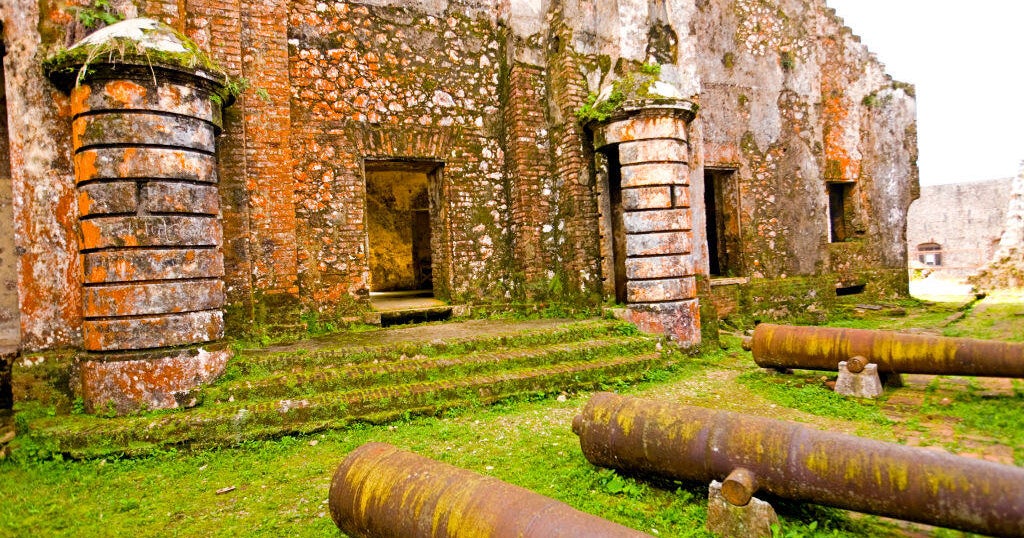
At least 30 people were killed and several dozen injured in a stampede at Haiti’s Citadelle Henri fortress during an annual Easter gathering. The UNESCO World Heritage Site has been closed until further notice while authorities investigate and search for missing people. The incident is a major humanitarian tragedy, but it is unlikely to have a broad direct market impact beyond Haiti’s tourism and local activity.
The immediate market impact is not on listed securities directly but on the risk premium for Haiti-linked travel and any broader Caribbean “headline risk” basket. The second-order effect is that a single high-profile casualty event can depress discretionary visitation far beyond the specific site: local operators, transport services, and informal vendors are usually hit for weeks to months as itinerary planners re-route traffic to perceived safer destinations. In a fragile EM setting, reputational damage often compounds faster than the physical disruption, because travelers and insurers react to perceived governance breakdown, not just the incident itself.
For regional peers, the more interesting read-through is relative rather than absolute. Dominican Republic, Puerto Rico, Jamaica, and even Belize can capture spillover demand if tour operators decide to shorten exposure to Haiti-adjacent itineraries or reduce shore excursions with crowd-control concerns. That shift tends to show up first in package-tour mix, then in airline seat allocation and hotel occupancy, so the lag to public market manifestation is typically 1-2 booking cycles rather than same-day. The broader EM angle is that weak crowd-management and emergency-response capacity can widen sovereign risk discounts for frontier-tourism dependent economies after any similar event.
The contrarian point is that the equity market may overestimate direct spillover because Haiti is already structurally underpenetrated by formal tourism and capital markets, limiting earnings sensitivity for listed names. The bigger economic damage is reputational: if the government responds with visible controls, the headline may fade quickly; if it looks disorganized, the negative halo can persist into the next high-season travel window. Watch for the next catalyst in the next 2-6 weeks: site reopening guidance, security deployments, and any evidence that tour operators or social platforms are throttling promotion in the region.
AI-powered research, real-time alerts, and portfolio analytics for institutional investors.
Request DemoOverall Sentiment
strongly negative
Sentiment Score
-0.85
