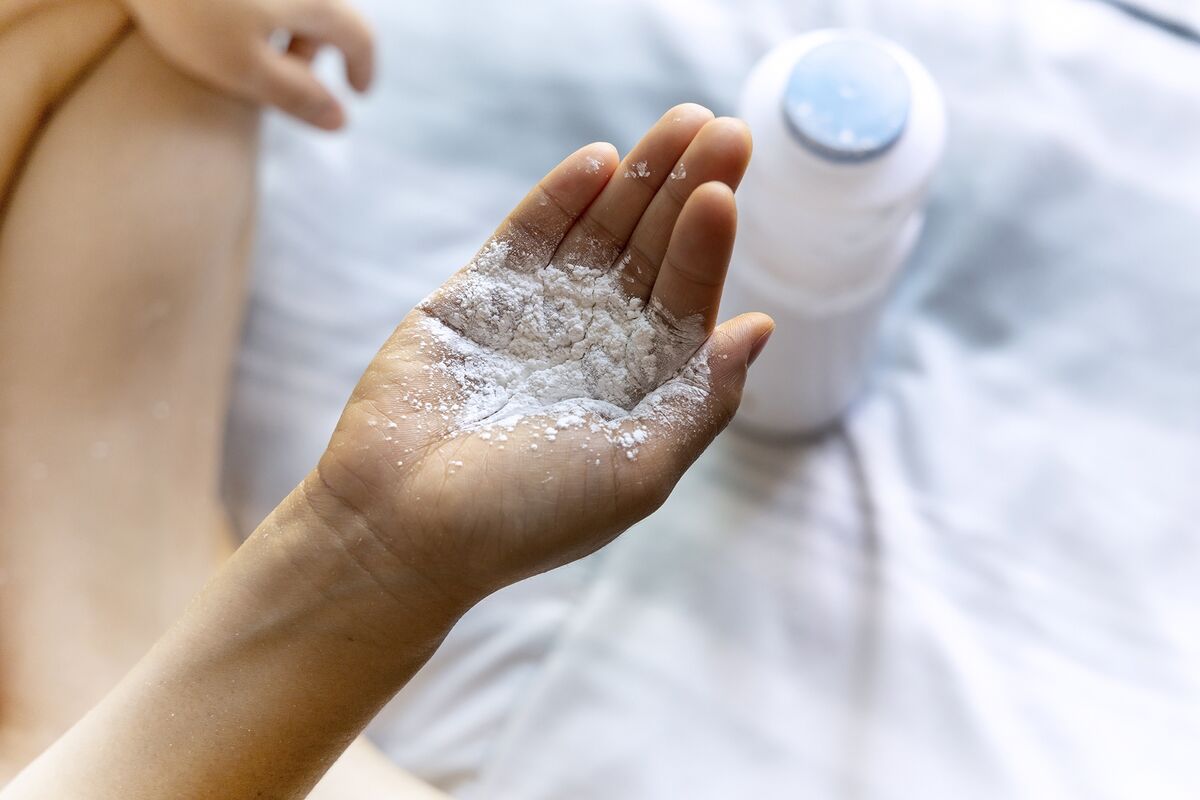
Talc, an ingredient commonly associated with baby powder, has been found in various popular pharmaceutical and supplement products, including multivitamins, cholesterol drugs, and antibiotics. This revelation highlights an unexpected component within certain widely consumed health products.
The revelation that talc is a component in widely used products such as multivitamins, cholesterol drugs, and antibiotics introduces a significant, previously under-the-radar risk factor for the pharmaceutical and supplement industries. The strongly negative sentiment score of -0.65 associated with this news underscores the potential for adverse market and consumer reactions. While no specific companies are named, this broad disclosure could trigger sector-wide scrutiny regarding supply chain transparency, ingredient safety, and manufacturing processes. The classification of this news as having a moderate market impact suggests that while not immediately catastrophic, it could lead to increased regulatory oversight, potential compliance costs, and headline risk for a range of healthcare and biotech firms that utilize talc as an excipient in their oral medications and supplements.
AI-powered research, real-time alerts, and portfolio analytics for institutional investors.
Request DemoOverall Sentiment
strongly negative
Sentiment Score
-0.65
