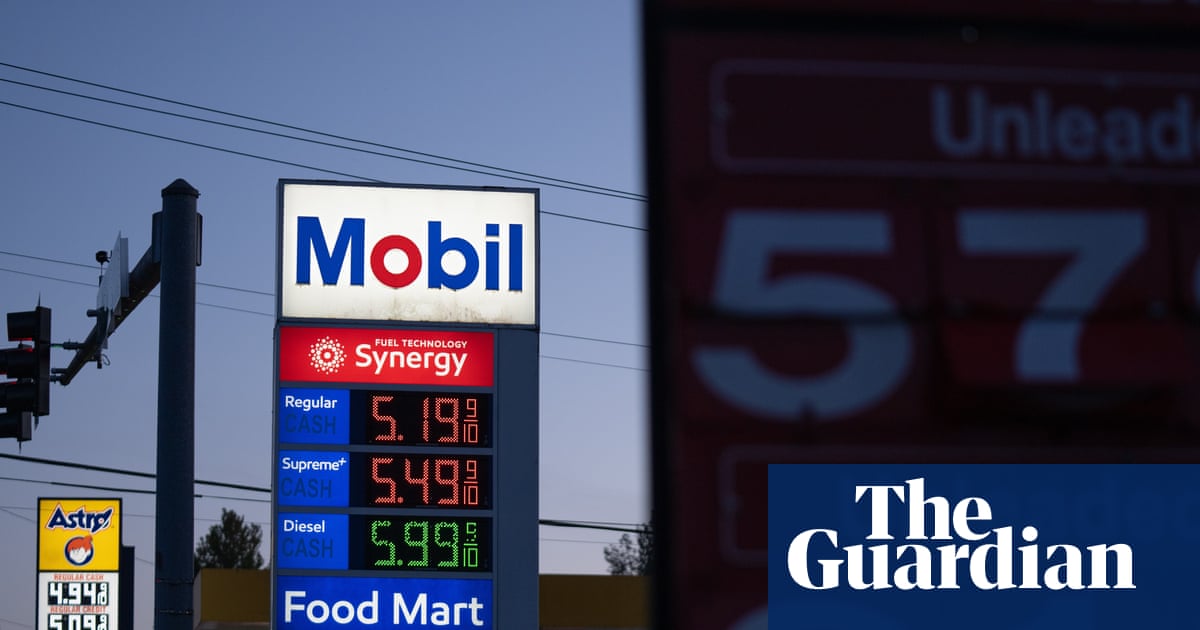
Trump said he wants to suspend the US federal gas tax of 18.4 cents per gallon for gasoline and 24.4 cents for diesel as fuel prices jump, with the national average gasoline price at $4.52 per gallon, up from $3.14 a year ago. The move would require congressional approval and could temporarily reduce household fuel costs, but it would also cut roughly $500m per week in federal revenue. The proposal comes amid war-driven oil price gains and rising affordability pressure ahead of the midterm elections.
A federal fuel-tax holiday is economically small at the pump but large as a political signal. Because the levy is a fixed cents-per-gallon charge, the relief is regressive in nominal dollars and most visible to frequent drivers, which means it is more likely to support consumer sentiment than materially alter demand or inflation prints. The bigger second-order effect is fiscal: even a temporary pause creates a precedent that gasoline taxes are a political shock absorber, which raises the odds of similar interventions whenever crude spikes.
The main winners are downstream and fuel-intensive consumer sectors that benefit from a marginal improvement in household disposable income, not the oil patch. Refiners and integrated producers are less exposed than the headline implies because the tax change does not address the underlying crude-driven price move; if anything, it may keep demand firmer at the margin by softening the sticker shock. The more interesting knock-on is for transport, airlines, package delivery, and discretionary retailers: if consumers perceive lower fuel pain, the near-term hit to driving and spending is reduced, but only for as long as Congress keeps the market believing the suspension is plausible.
The main risk is that policy action lags the price move, so the market gets a short-lived headline relief trade without real economic effect. If oil retraces before legislation advances, this becomes a purely political story and the expected consumer stimulus evaporates. If the suspension passes, it could also be read as tacit acceptance that fuel prices are politically dangerous, increasing pressure for broader energy-market intervention, including strategic reserve use or diplomatic de-escalation efforts, both of which would be negative for crude duration trades.
Consensus is likely overestimating the inflation impact and underestimating the signaling value. A 18.4-cent gasoline cut is too small to change macro outcomes meaningfully, but it can still alter the narrative around affordability ahead of elections, which matters for consumer confidence and rate expectations at the margin. The cleaner trade is not a direct bet on the tax itself, but on the odds of a temporary squeeze in energy volatility and a modest relief rally in consumer-sensitive equities if lawmakers move quickly.
AI-powered research, real-time alerts, and portfolio analytics for institutional investors.
Request DemoOverall Sentiment
mildly negative
Sentiment Score
-0.20
