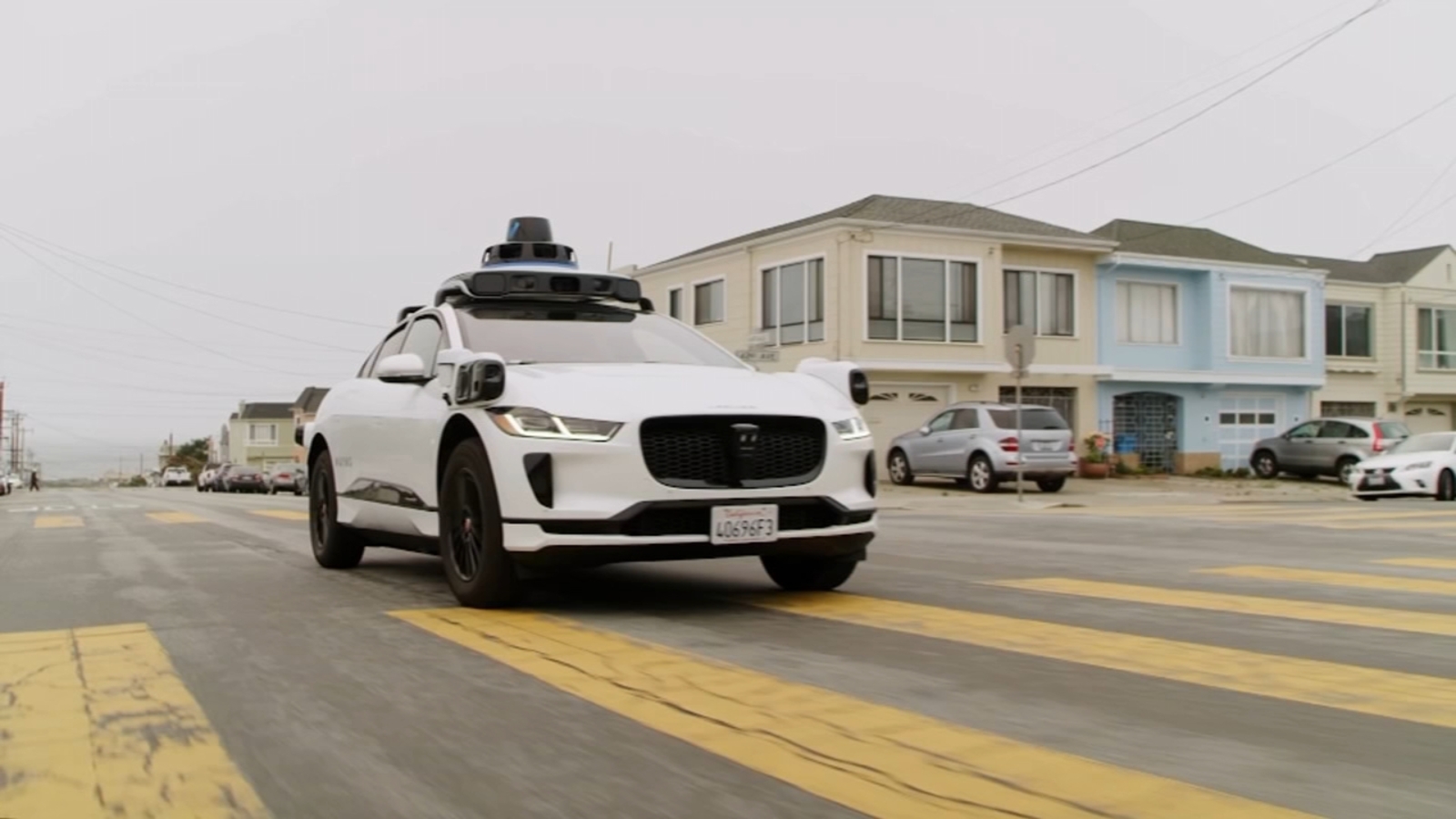
Waymo has begun early data-collection mapping of Chicago streets to prepare for future deployment of its AI-first Waymo Driver, signaling progress in geospatial and operations readiness for a major U.S. city. Autonomous vehicles remain unauthorized in Chicago and Illinois, and the mayor's office intends to engage stakeholders to shape an equitable regulatory path forward, leaving commercial prospects contingent on regulatory approval and community acceptance; near-term revenue impact is limited.
Market structure: Waymo mapping Chicago is a radius-of-action signal that accrues to owners of the AI stack (Alphabet/GOOGL) and high-performance compute and sensor suppliers (NVDA, QCOM, APTV, MBLY, LAZR). Winners gain pricing power over software/compute licensing and fleet services; incumbent OEMs (GM, F) face longer-term margin pressure as software decouples value from hardware. Sensor and semiconductor demand should rise 10–30% vs. baseline in pilot geographies over 12–24 months, tightening supply and pushing component lead times higher.
Risk assessment: Tail risks include regulatory prohibition in Illinois (0–25% probability over 12 months), a high-profile AV incident triggering federal freezes (5–15% probability), or sensor supply shocks that raise capex by >20%. Immediate market effect is muted; over 3–12 months approval/pilot announcements drive re-ratings, while commercialization and unit economics remain 1–3 year outcomes. Hidden dependencies: local insurance frameworks, winter-weather reliability, and data-privacy litigation could materially delay rollout.
Trade implications: Direct plays — small, staged exposure to GOOGL (primary Waymo value capture) and NVDA (compute leverage), paired with selective shorts in speculative AV hardware names (AUR, LAZR) that lack clear TAM-to-revenue paths. Options: favor 9–18 month call spreads on GOOGL/NVDA to cap premium; sell short-dated puts on GOOGL only after regulatory clarity. Rotate +3% OW Tech (AI/compute), -3% UW Autos (legacy OEMs) with rebalancing triggers tied to Illinois pilot approvals within 6 months.
Contrarian angles: The market underestimates regulatory and insurance friction — mapping ≠ immediate monetization and could take 3–5 years to generate positive unit economics. Historical parallel: Waymo’s Phoenix expansion took multiple years to reach scaled service; expect stop-start funding cycles that create mispricings in small-cap AV suppliers. Unintended consequence: aggressive municipal pushback or liability shocks could compress small-cap AV valuations by 40–70%; size positions accordingly and use event-driven stop-losses.
AI-powered research, real-time alerts, and portfolio analytics for institutional investors.
Request DemoOverall Sentiment
mildly positive
Sentiment Score
0.22
