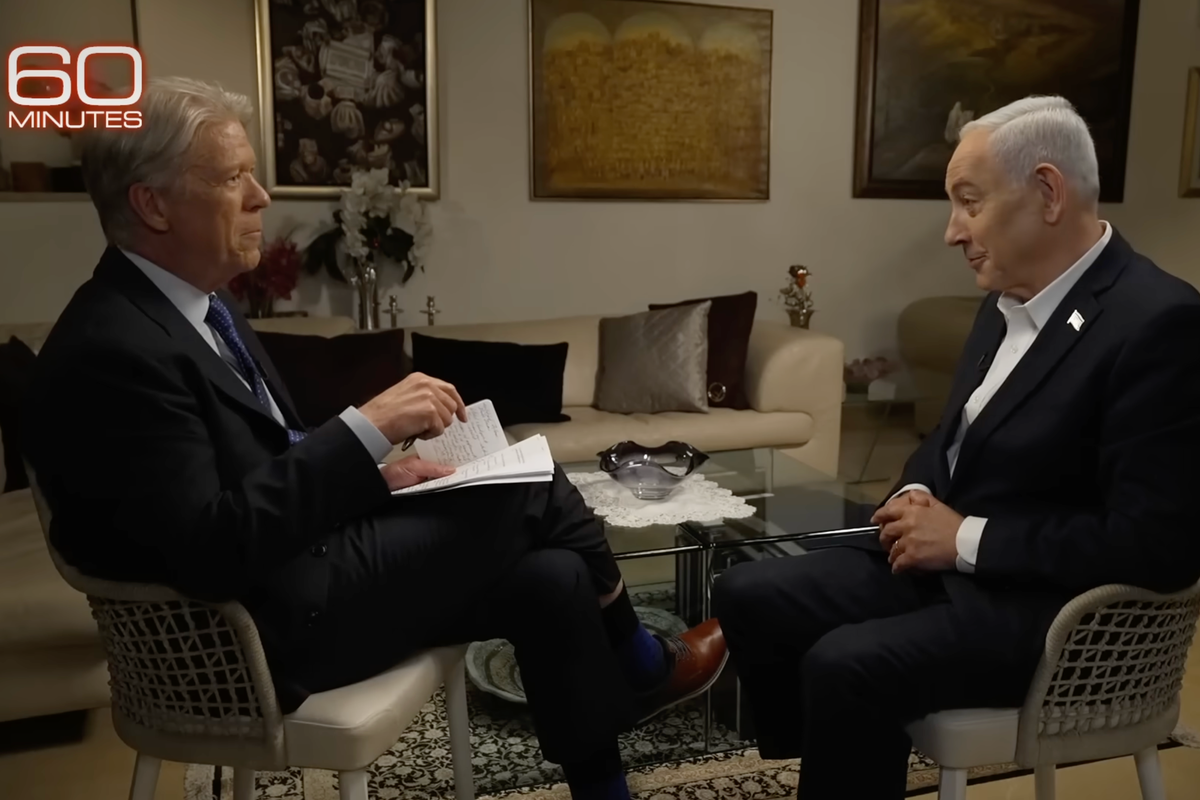
CBS News is facing internal friction after editor-in-chief Bari Weiss reportedly reassigned a high-profile interview with Israeli Prime Minister Benjamin Netanyahu from 60 Minutes veteran Lesley Stahl to Major Garrett. The move has raised questions about newsroom governance and Stahl’s future, with her contract expiring at the end of the current season. The article is mostly about editorial control and staff tensions rather than a direct financial or market-moving event.
This is less about one interview than about control rights inside a legacy media franchise. When editorial authority shifts from a brand-defined team to a centralized operator, the immediate risk is not ratings decay but talent attrition: senior correspondents with institutional leverage can turn reputational friction into contract non-renewals, freelance defection, or reduced cooperation on future exclusives. That creates a slower but more durable hit to output quality, which matters more for 60 Minutes than for a generic news division because the franchise premium is built on access, trust, and consistency. The second-order winner is the operator who can turn controversy into audience engagement. If the new leadership can deliver more politically salient, clip-friendly content without a measurable audience backlash, the model improves margin per minute and reduces dependence on legacy gatekeepers. The loser is likely the broader CBS News brand, because internal conflict becomes visible to viewers and advertisers only after it affects tone, staffing, and booking quality; that damage usually shows up with a lag of 1-3 quarters rather than immediately. The market implication for NYT is indirect but real: any perception that a rival news organization is becoming more agenda-driven can modestly support the premium for independent, subscription-first journalism, especially among high-intent readers and institutional customers. The contrarian view is that this overstates the downside for CBS — controversy can be a feature, not a bug, if it raises reach and improves management discipline. The key variable is whether talent loss spreads beyond one veteran: if additional on-air names resist or leave over the next 6-12 months, the governance story becomes an earnings story through weakened distribution leverage and lower content efficiency.
AI-powered research, real-time alerts, and portfolio analytics for institutional investors.
Overall Sentiment
mildly negative
Sentiment Score
-0.15
Ticker Sentiment
