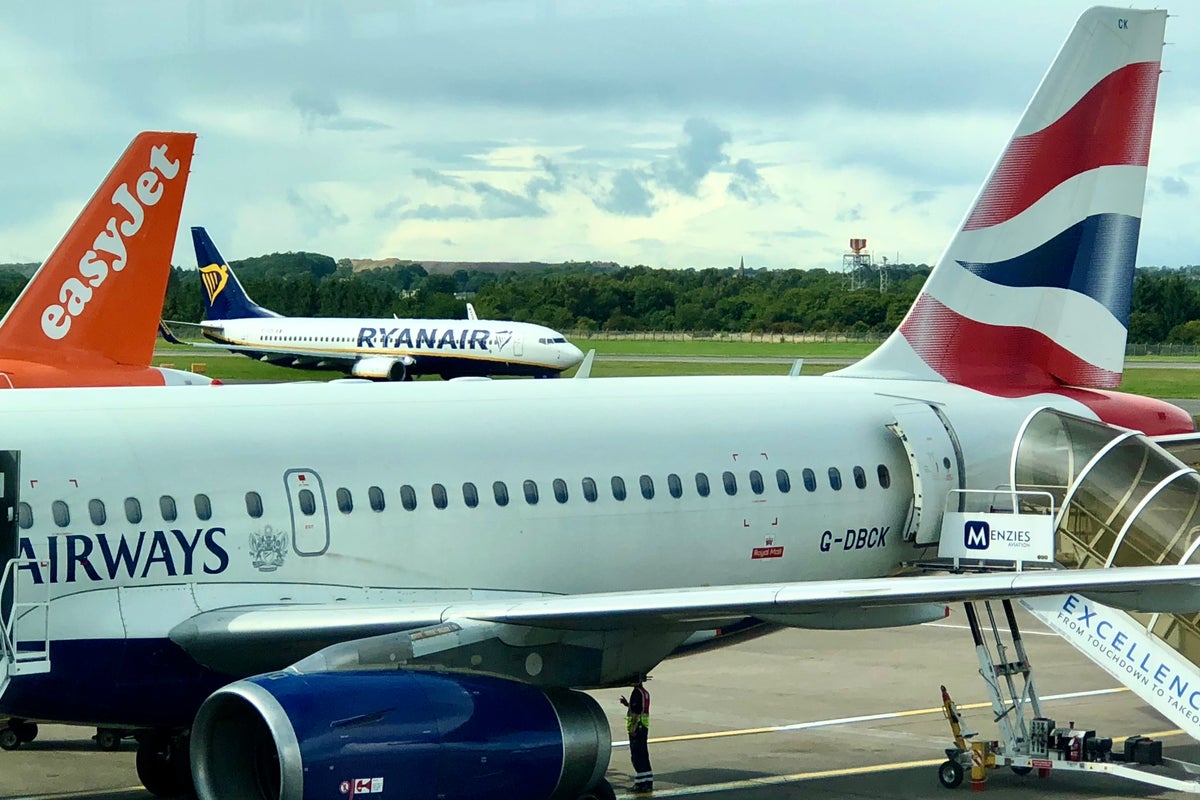
A hypothetical 20% mandated reduction in jet fuel consumption could force sizeable schedule culls across BA, easyJet and Ryanair, with short‑haul high‑frequency routes easiest to trim and lower‑frequency services disproportionately at risk. CEOs warn of potential supply disruptions in May–June; some regional UK routes are already cancelled due to high fuel costs and weak demand. Expect constrained summer capacity to push fares sharply higher for late bookers and to impose disruption costs on carriers, though passenger‑rights rules oblige rebooking on same‑day alternatives where possible.
Jet fuel rationing is a supply shock that magnifies pre-existing asymmetries in network design and yield management: high-frequency LCCs with dense point-to-point itineraries can reallocate passengers internally and preserve yields, while slot-clipped legacy carriers face disproportionate stranded-traffic risk because they cannot easily move capacity out of constrained hubs. Expect airlines to ration capacity by marginal yield per ASKM rather than by geography alone — higher-yield long-haul and business-heavy frequencies will be defended, short leisure feeders will be the first and deepest cuts, compressing ancillary revenue streams tied to frequency and late-booking leisure demand.
Second-order winners include ultra-flexible carriers (fast re-booking, multi-airport footprints) and tour operators/charter operators that can consolidate displaced demand into fewer flights; losers are regional airports, thin leisure routes, and businesses that rely on low-frequency connectivity. Fuel price and availability shocks also shift bargaining power down the supply chain: refiners and cargo-forwarders able to blend or swap product gain optionality, while third-party ground-handlers and wet-leased capacity providers see revenue spikes and utilization strain.
Timing and catalyst framing: immediate (days–weeks) pain if tanker-routing or terminal bottlenecks persist, a more structural risk over the summer if geopolitics stays unresolved or refiners can’t retool distributions (2–3 months). Reversal paths that would materially change the trade are rapid diplomatic resolution, targeted government fuel allocations for civilian aviation, or economically attractive alternative supply routes — any of which could collapse premium pricing within 2–6 weeks. The consensus underprices the optionality of operational flexibility: short-duration, convex positions that pay off during a 4–12 week squeeze are preferable to long, directional airline longs.
AI-powered research, real-time alerts, and portfolio analytics for institutional investors.
Request DemoOverall Sentiment
mildly negative
Sentiment Score
-0.25
Ticker Sentiment
