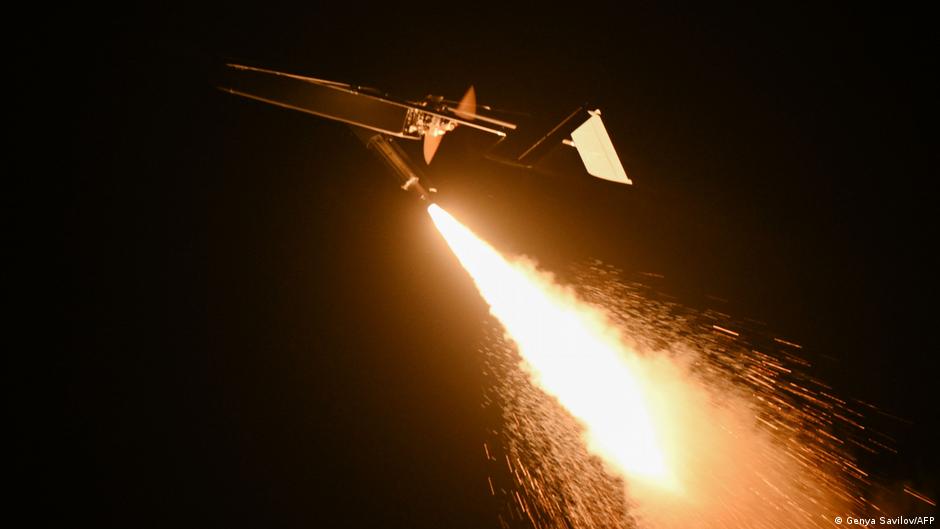
NATO said one of its F-16 jets shot down a drone over Estonian airspace at 12:14 local time after the aircraft entered from Russia amid heavy electronic warfare, including GPS spoofing and jamming. The incident adds to a recent series of Baltic airspace violations that have already disrupted trains, schools, and airport operations in Estonia, Latvia, and Finland. While the article is largely factual, it underscores heightened regional security risk and potential escalation involving NATO and Russia.
This is less a one-off airspace nuisance than an escalation in “spillover risk” for the entire Baltic operating environment. The important second-order effect is not the drone itself, but the pressure it creates on NATO force posture: more scramble events, more air-defense readiness, and a higher probability of accidental engagement or misclassification under electronic warfare conditions. That raises the premium on assets that can monetize persistent alert cycles, while simultaneously increasing the political cost of any misstep that damages civilian infrastructure.
The cleaner winners are defense primes and counter-UAS suppliers exposed to Europe’s short-cycle procurement. Baltic states do not need a years-long force-structure review to spend; they can fast-track off-the-shelf sensors, EW, and point defense, which favors vendors with existing NATO certifications and deployable training/logistics. The less obvious beneficiary is European infrastructure hardening: airports, rail operators, and utilities with visible security capex plans may see an incremental budget tailwind, but only after a few more incidents force politicians to act.
The market is likely underpricing the domestic-political fragility in smaller NATO states. Repeated drone incursions create a credibility test for governments with limited room for error; that can accelerate cabinet turnover, budget reallocation, and earlier-than-expected defense spending, but it also increases the risk of policy paralysis if the public starts blaming incumbents for perceived exposure. For markets, the key horizon is days-to-weeks for headline risk, but months for procurement and coalition effects.
Contrarian read: the consensus may be overestimating the extent to which these episodes imply a durable broad-market risk-off regime. Unless a drone causes casualties or a NATO aircraft is damaged, the macro spillover should remain localized; the more durable trade is dispersion, not index de-risking. The real asymmetry is in names tied to European air defense modernization and electronic warfare, not in blanket bearishness on Europe.
AI-powered research, real-time alerts, and portfolio analytics for institutional investors.
Request DemoOverall Sentiment
mildly negative
Sentiment Score
-0.25
