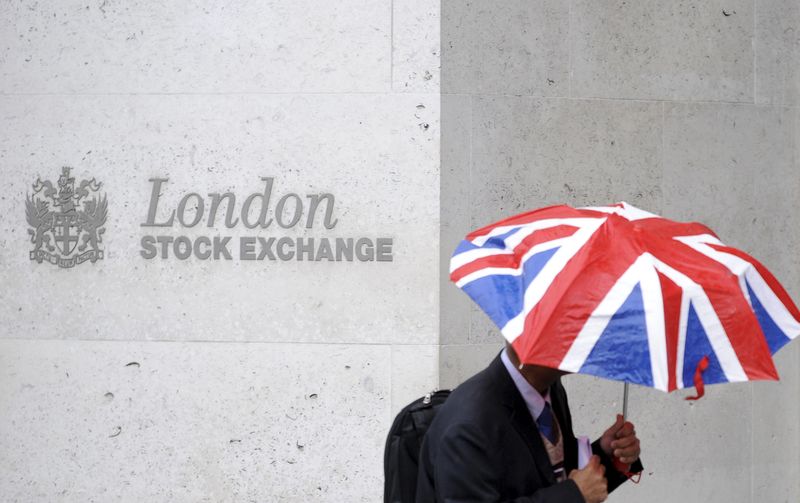
Equity markets weakened as geopolitical tensions around the Strait of Hormuz intensified: FTSE 100 -1.5%, DAX -1.9%, CAC 40 -1.5% and GBP/USD slid 0.3% to $1.3306. Applied Nutrition shares plunged over 16% after warning of softer Middle East volumes while maintaining full-year revenue guidance. UK PM Keir Starmer condemned an antisemitic arson attack and will consult top ministers and the Bank of England governor on the economic implications of the crisis.
Immediate second‑order winners are balance sheets that reprice risk: Bermuda reinsurers and Lloyd’s syndicates should see war‑risk and hull premiums reprice within 1–3 months, improving near‑term underwriting margins even if claim frequency is low. Shipping owners of VLCCs and crude tankers will capture outsized dayrate moves from rerouting/war‑risk avoidance — a 10–20 day longer voyage per ship can lift TCEs by multiples and spare tonnage tightness typically persists for 4–8 weeks.
Asian importers (Japan, Korea) face a twofold squeeze: higher landed energy costs and immediate portfolio outflows; that combination disproportionately hits domestically leveraged banks and consumer cyclicals that don’t hedge FX. Currency dynamics will matter: a rapid risk‑off can push USD and JPY stronger in days, but the Bank of Japan’s policy window makes JPY appreciation a volatile, intervention‑sensitive trade over months.
Key catalysts to monitor are insurance premium announcements (quarterly commentary from AXS/RNR etc.) and tanker spot rate prints (Baltic VLCC indices) over the next 2–6 weeks; diplomatic de‑escalation or a coordinated release from strategic reserves could reverse oil and shipping moves within 30–90 days. Tail risks include local escalation in the Straits that triggers multilateral naval convoys or direct strikes on energy infrastructure, which would spike crude >$10/bbl in days and rout risk assets.
Consensus is positioning for a generic risk‑off; what’s missed is that premium repricing is front‑loaded and can create asymmetric opportunities to buy capacity‑owned equities (reinsurers, owners) before earnings reflect the upside. Conversely, liquid equity indices may overshoot on flows and mean‑revert once transient risk premia normalize.
AI-powered research, real-time alerts, and portfolio analytics for institutional investors.
Request DemoOverall Sentiment
strongly negative
Sentiment Score
-0.65
