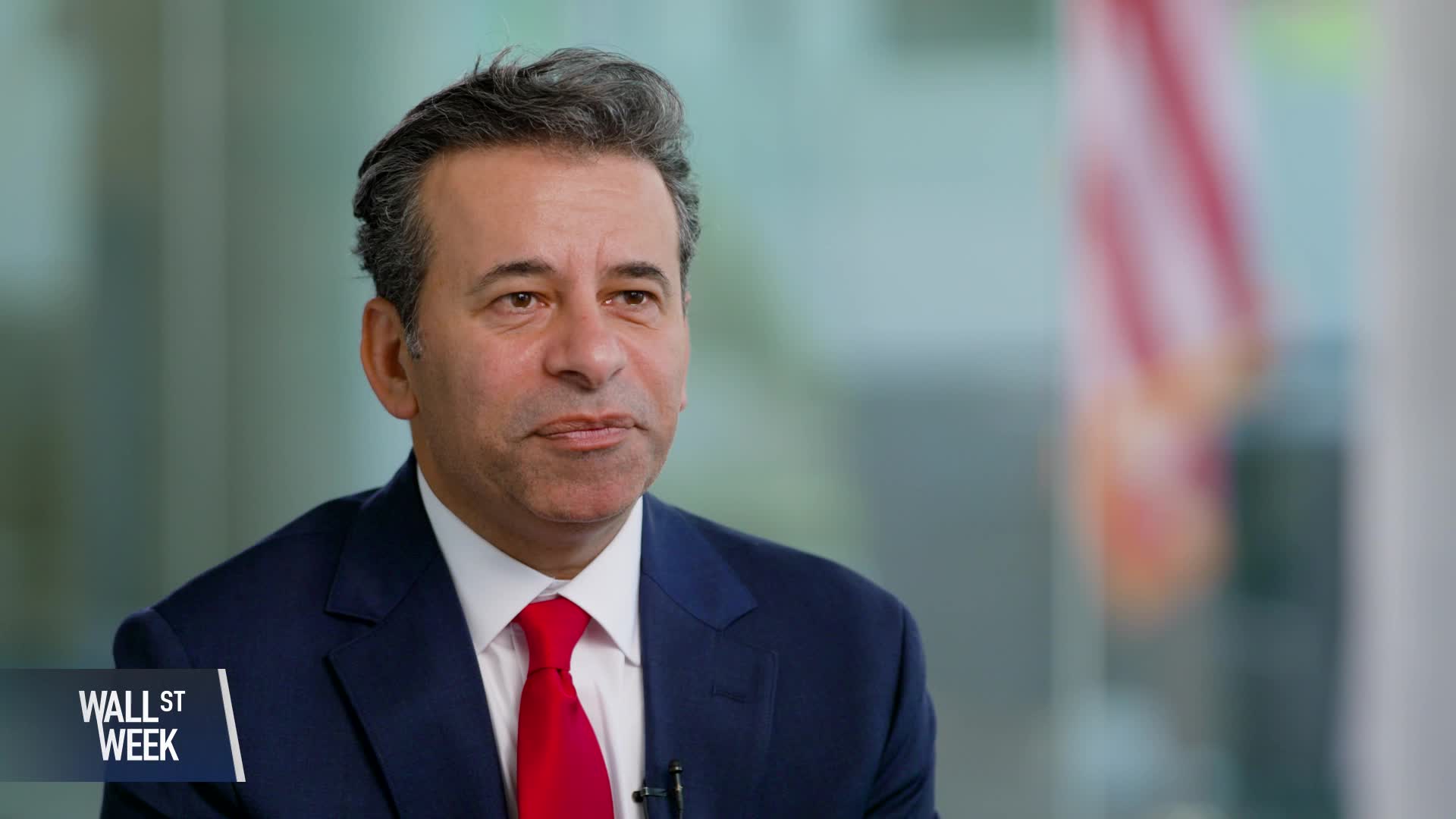
FDA Commissioner Dr. Martin Makary announced a pilot fast-track voucher program designed to reward drugmakers that align with U.S. national priorities, specifically by lowering drug prices to levels seen in other wealthy nations. This new incentive mechanism links accelerated market access to pharmaceutical pricing strategies, potentially influencing industry R&D investment and profitability models.
The U.S. Food and Drug Administration is introducing a pilot program that directly links accelerated drug approval to pricing strategy, a significant shift in regulatory policy. According to FDA Commissioner Dr. Martin Makary, the agency will offer a fast-track voucher to drugmakers who price their products in the U.S. at levels comparable to other wealthy nations. This introduces a "carrot" incentive to address high drug costs, moving beyond purely punitive measures. For pharmaceutical and biotech companies, this creates a new strategic calculus: the potential for reduced revenue on one drug could be offset by the substantial financial benefits of accelerated market access for another drug in their pipeline. The program's pilot status and lack of specific details likely explain the moderate market impact score (0.55), but the moderately positive sentiment (0.4) suggests investors view this as a potentially constructive, less adversarial approach to drug pricing reform.
AI-powered research, real-time alerts, and portfolio analytics for institutional investors.
Request DemoOverall Sentiment
moderately positive
Sentiment Score
0.40
