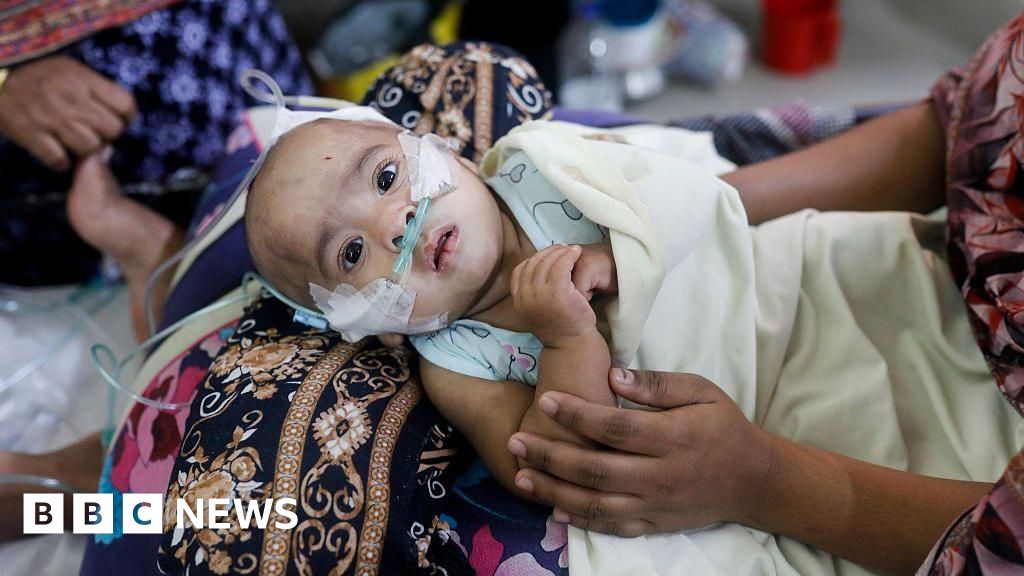
More than 100 suspected measles deaths occurred in Bangladesh within a month amid 7,500+ suspected cases since 15 March and over 900 confirmed cases. Authorities and partners (UNICEF, WHO) launched an emergency measles-rubella campaign across 30 upazilas targeting >1.2 million children aged 6 months–5 years, prioritising Dhaka and Cox's Bazar. The outbreak is tied to immunity gaps after no special campaigns since 2020, missed April vaccinations, and reported vaccine procurement shortages following 2024 political upheaval.
The outbreak is primarily a failure-of-procurement and service-delivery shock, not a sudden biological change; that matters because the market impact will be driven by procurement flows, cold‑chain logistics and donor budgets rather than a durable revenue rerating for large vaccine developers. Expect a two‑phase timeline: an immediate 4–8 week spike in emergency procurement and logistics spending tied to the campaign, followed by a 6–18 month period where the new government and donors renegotiate procurement frameworks and supplier lists — that second phase determines structural winners.
Supply-side winners are likely to be low‑cost, high‑throughput vaccine manufacturers and regional suppliers (think India‑based producers and pooled purchasers through Gavi/UNICEF), while large Western pharmas have limited upside because measles vaccines are low‑margin, widely commoditized products and existing suppliers (including non‑public players) dominate capacity. A second‑order pressure is on cold‑chain capacity and last‑mile logistics in Dhaka/Cox’s Bazar; constrained cold storage or transport creates a bottleneck that can delay campaigns and increase demand for refrigerated warehousing and rapid logistics services.
Tail risk: failure of the emergency campaign (logistics bottlenecks, vaccine shortages or renewed political instability) would widen immunity gaps and prolong donor interventions, elevating reputational and fiscal stress on Bangladesh and increasing short‑term humanitarian spending. A successful, fast campaign would materially reduce case counts within 6–10 weeks but will not erase procurement reform risks — new tender rules could reshuffle supplier shares over the next 12–24 months.
AI-powered research, real-time alerts, and portfolio analytics for institutional investors.
Request DemoOverall Sentiment
strongly negative
Sentiment Score
-0.65
