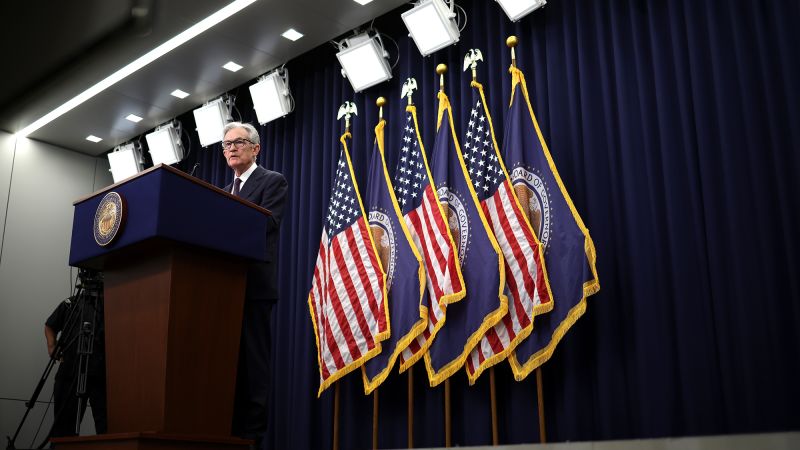
The Federal Reserve maintained its benchmark interest rate for the fifth consecutive meeting, a decision notable for two dissenting votes from governors advocating for an immediate rate cut, marking the first such split in three decades. This stance reflects the central bank's preference to continue assessing the economic impact of current policies, including tariffs, despite political pressure for rate reductions, signaling internal divisions regarding future monetary policy direction.
The Federal Reserve's decision to hold interest rates steady for the fifth consecutive meeting is overshadowed by a significant internal development: two governors dissented in favor of an immediate rate cut. This marks the first such split vote in three decades, signaling a growing dovish faction within the central bank and introducing considerable uncertainty into the future path of monetary policy. While the majority of Fed members prefer to maintain a patient stance to evaluate the inflationary impact of the administration's tariff policies, this historic dissent suggests that the consensus is fragile. The divergence between the Fed's cautious approach and explicit political pressure for rate reductions further complicates the outlook, elevating the market impact of this otherwise static policy decision.
AI-powered research, real-time alerts, and portfolio analytics for institutional investors.
Request DemoOverall Sentiment
mixed
Sentiment Score
0.00
