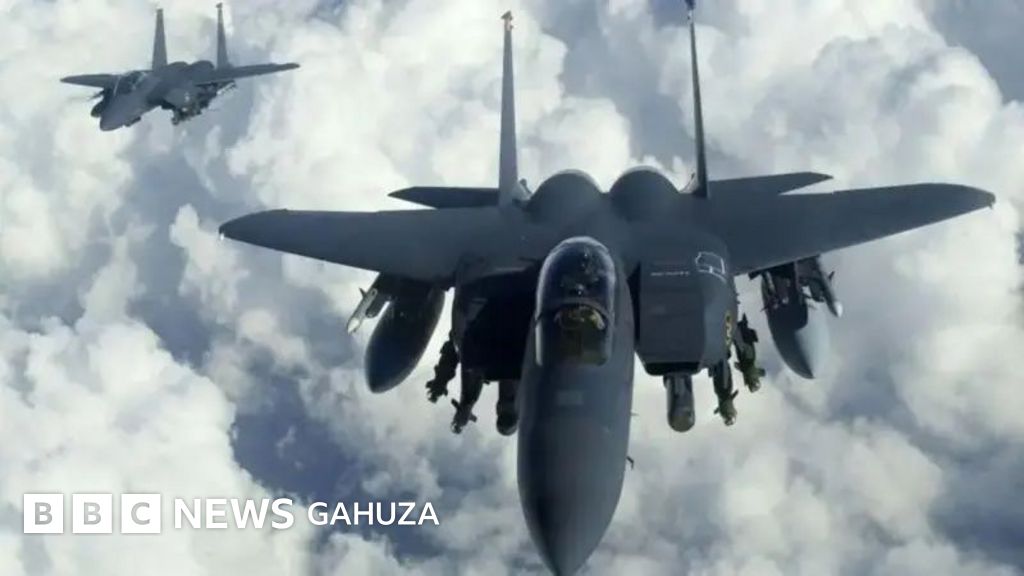
At least four U.S. aircraft were engaged during the rescue of an F-15 pilot shot down over Iran; U.S. forces report the pilot was successfully extracted and evacuated to Kuwait. Iranian authorities report 10 deaths near the crash site and claim multiple U.S. aircraft (C-130, Black Hawks, A-10) were downed; the Pentagon says at least four aircraft were fired on and that three were hit by friendly fire from Kuwaiti forces. U.S. special operations and the CIA reportedly led the recovery and President Trump announced the extraction succeeded. Implication: heightened geopolitical risk in the Gulf/Strait of Hormuz region is likely to drive risk-off flows and lift defense and energy-sensitive assets.
This episode raises the probability of a multi-week period of tactical kinetic engagements and misidentifications across the Gulf/Strait of Hormuz corridor, which translates into persistent near-term risk premia in defense, shipping, and energy markets. Expect volatility clusters tied to after-action intelligence disclosures and open-source imagery releases — price moves will be driven more by narrative/certainty shocks than by immediate changes to physical oil balances.
Second-order winners are companies and instruments tied to ISR (intelligence, surveillance, reconnaissance) and fast force projection: airborne sensors, tactical comms and retrieval-capable rotary/tiltrotor platforms; supply chain effects will show up in elevated OEM aftermarket demand for spares and expedited avionics deliveries over the next 3–9 months. Conversely, commercial aviation and regional logistics providers face route diversions, higher fuel/insurance costs and potential capacity idling that can compress margins in the coming quarters.
Tail risk remains an asymmetric headline event (days-to-weeks) — escalation into strikes on Iranian energy infrastructure or Gulf shipping could push Brent $5–15 higher in short windows and materially raise premiums for war-risk insurance; a diplomatic cooling or rapid confidence-building measures would likely reverse most repricing within 30–90 days. Watch three catalysts: verified casualties or captive personnel disclosures, state-attributed retaliatory strikes on shipping or bases, and formal allied escalatory commitments (e.g., carrier/airbase reinforcements), any of which would re-rate defense and energy sector moves aggressively.
AI-powered research, real-time alerts, and portfolio analytics for institutional investors.
Request DemoOverall Sentiment
mildly negative
Sentiment Score
-0.25
Ticker Sentiment
