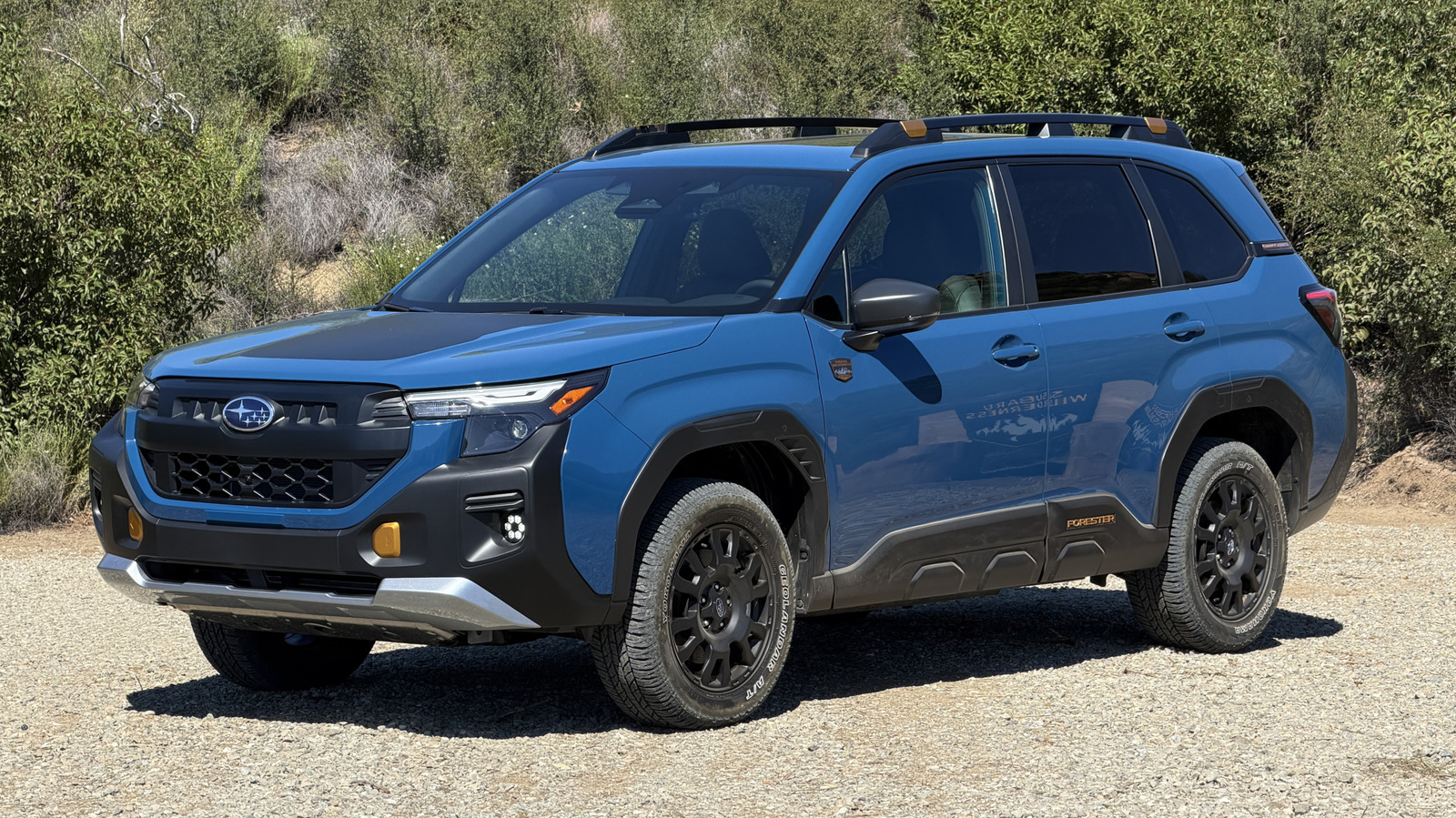
Subaru debuted the 2027 Forester Wilderness Hybrid at the New York auto show, offering ~25% better fuel economy and a modest power bump to 194 hp (from 180). The Wilderness Hybrid should achieve about 32 mpg, retains the Wilderness' 9.3 in ground clearance and cargo volume, and is expected to cost roughly $3,000 more than the $39,835 base Wilderness, with sales beginning late 2026. Subaru has sold almost 250,000 Wilderness models through 2025 (Outback ~106k, Forester Wilderness ~84k, Crosstrek ~55k); trade-offs for the hybrid include lower towing capacity (normal Wilderness can tow 3,500 lb) and no full-size spare.
The Wilderness-hybrid move is a classic margin and mix optimization more than a volume bet: by stealth-bundling higher-content hybrids into an aspirational trim, Subaru can lift ASPs and F&I attach without materially altering the vehicle’s off-road positioning. If hybrid take rates cross a psychological 40–60% threshold within 12–24 months (plausible given consumer inertia around single-model choices), OEM and dealer P&Ls see outsized benefits because the incremental hybrid hardware is small relative to the bundled optioned value.
Second-order supply effects favor firms with modular hybrid IP and small-pack battery capacity rather than big-cell EV players — Toyota and its suppliers capture recurring low-kWh pack demand across multiple partners, while tire and accessory vendors see a sustained premium for all-terrain fitments. Conversely, businesses that monetize full-size spare wheels, heavy-duty towing components, or pure internal-combustion specialization face a gradual erosion of addressable aftermarket spend on these Wilderness-like trims.
Near-term catalysts that will validate the story are take-rate data in Subaru retail reports, dealer order guides (late-2026 build slots), and OEM supplier booking announcements over the next 6–12 months; downside risks are fuel-price normalization, a resale-value shock where hybrids fail to hold premiums, or a regulatory pivot that accelerates EV-only design choices and short-circuits hybrid supply economics. Volatility windows to watch: Subaru and Toyota quarterly data releases, Q4 2026 ordering cadence, and rubber/raw-material price moves that compress tire-maker margins.
AI-powered research, real-time alerts, and portfolio analytics for institutional investors.
Request DemoOverall Sentiment
mildly positive
Sentiment Score
0.40
Ticker Sentiment
