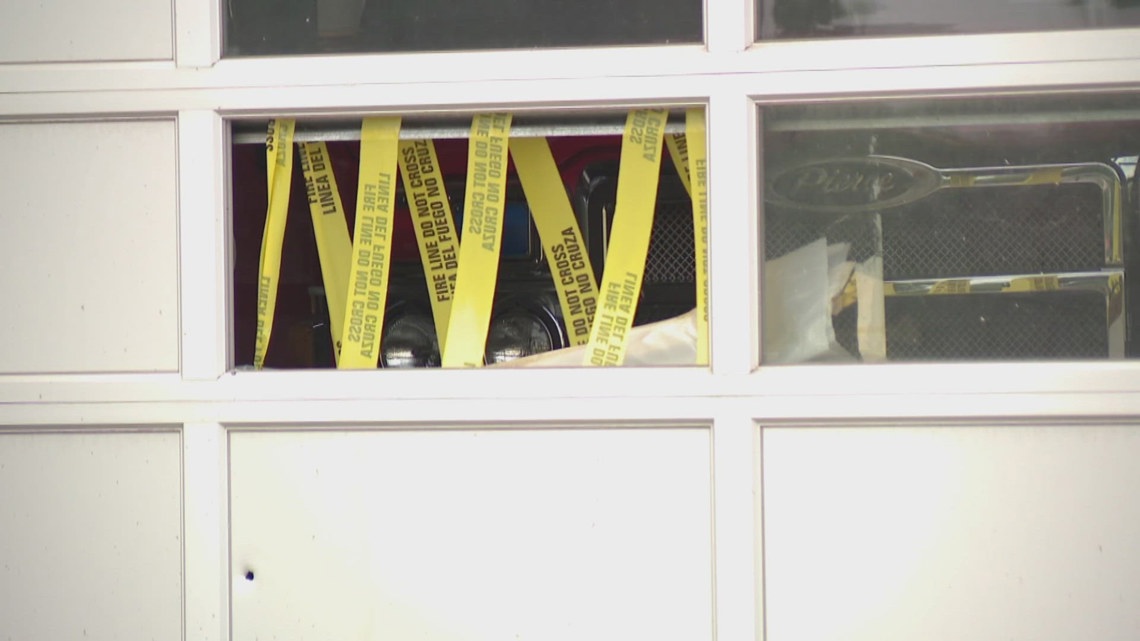
Three suspects were taken into custody after up to 12 random shootings across Austin over Saturday and Sunday left four people injured, including one in critical condition. The incidents included gunfire at fire stations, apartments, homes, and stores, with two suspects identified as juveniles and vehicles stolen during the spree. The event is serious public-safety news but is unlikely to have meaningful market impact beyond local operational and insurance concerns.
This is a localized public-safety shock, but the investable impact is less about direct property damage and more about the probability of policy and budget reallocation. In the near term, municipalities tend to pull forward spending on perimeter security, surveillance, hardened entry systems, vehicle barriers, and emergency comms after a widely visible event; that is a favorable setup for security integrators, camera/access-control vendors, and selected defense-electronics names even if the headline itself is not a catalyst for a broad sector rerate.
The second-order risk is operational rather than financial: repeated incidents raise the odds of tighter staffing, overtime, and equipment replacement at first-responder agencies, which can squeeze already-stretched city budgets and delay discretionary capex elsewhere. If the event meaningfully changes election-year rhetoric around juvenile crime, gun storage, and school/fire-station security, the spend impulse can persist for 2-4 quarters; otherwise the market effect usually fades within days as the story loses national attention.
The contrarian point is that the market often overprices the immediate fear but underprices the follow-through procurement cycle. The actual monetization lag is long enough that the first move is usually in headlines, while the P&L impact appears later via order flow and backlog growth. The key is to own the vendors with municipal exposure and recurring software/service revenue rather than pure hardware names, because city buying tends to favor bundled solutions and maintenance contracts after an incident.
For the risk side, if local authorities respond with limited, symbolic measures, the theme can disappoint quickly. The better trade is to treat this as a catalyst for a rolling security-spend basket rather than a one-day event; the upside is asymmetric if similar incidents in other cities keep the issue in the news, but the thesis should be cut if procurement commentary does not surface within the next 30-60 days.
AI-powered research, real-time alerts, and portfolio analytics for institutional investors.
Request DemoOverall Sentiment
strongly negative
Sentiment Score
-0.60
