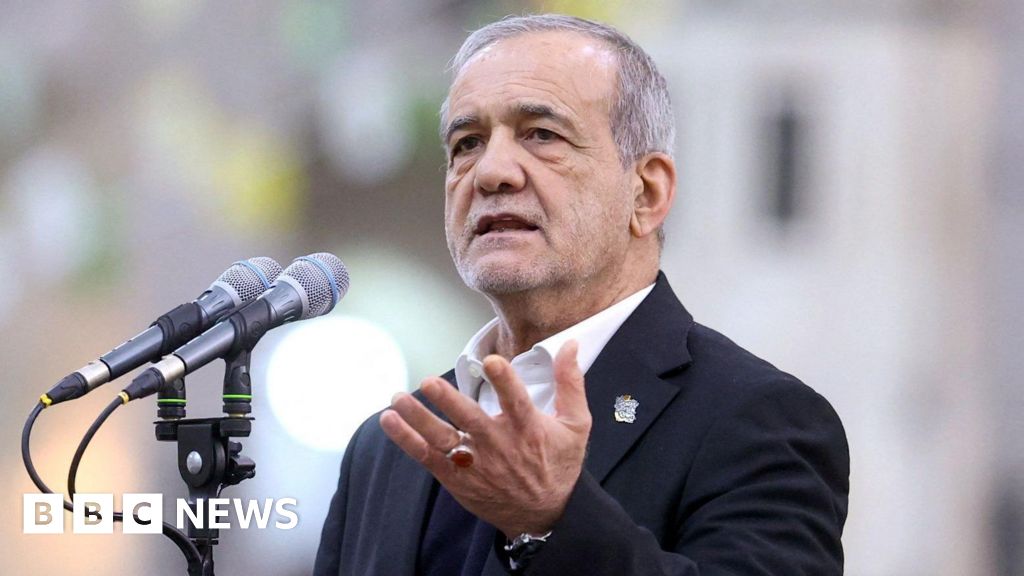
Iranian President Masoud Pezeshkian instructed Foreign Minister Abbas Araghchi to pursue negotiations with the US—reported to be held in Istanbul on Friday—provided a ‘‘suitable environment’’ free from threats and unreasonable expectations, after appeals from regional partners. The overture comes amid explicit warnings from Supreme Leader Khamenei and a US military buildup including the carrier USS Abraham Lincoln, and follows a deadly domestic crackdown with disputed casualty figures (Iranian authorities 3,117 dead; HRANA 6,430 confirmed; IHR warning up to 25,000), leaving the region in a fragile state that could sustain elevated risk premia for oil and emerging-market assets until clarity on talks or escalation emerges.
Market structure: Immediate winners are defense contractors (LMT, RTX, NOC), upstream oil & services (XOM, CVX, XLE) and insurance/shipping security providers; losers are regional EM equities (EEM), Gulf airlines (AAL, UAL exposure), and tourism/leisure. Pricing power shifts to producers and insurers — a 5–20% near-term premium in Brent is probable if tensions escalate, tightening physical crude availability in short-term shipping chokepoints.
Risk assessment: Tail risks include full-scale strikes → Brent >$120/bbl and global risk-off causing S&P -10% (low-probability, high-impact) within 0–30 days; medium-probability paths (weeks–months) include negotiated de-escalation reducing oil/defense vols by 30–50%. Hidden dependencies: insurance premiums, secondary sanctions on banks, and shipping reroute costs can amplify commodity and EM FX moves; key catalysts are US strike decisions, Turkish/Iran regional diplomacy, and verified casualty reports.
Trade implications: Favor short-duration, directional exposure: buy defense and energy equities and call spreads (3-month) while hedging via long-dated EM puts and USD/Treasury safety trades. Use pair trades: long LMT/RTX vs short UAL/AAL for 3–6 months, long XOM (or XLE) call spread 3-month ATM+10% to capture crude spikes, and buy 3-month puts on EEM to protect EM downside. Entry: act within 48–72 hours while volatility is rising; exit or trim on confirmed diplomatic breakthroughs within 7–21 days.
Contrarian angles: Consensus may overprice a prolonged conflict — past Iran-related flare-ups (2019–2020) produced 2–4 week oil spikes then mean-reversion over 3–6 months. Risk that a negotiated deal (Istanbul talks) succeeds quickly would crash defense/commodity longs by 15–30%; structure positions as hedged spreads and size at 1–3% of portfolio to avoid being caught by a rapid unwind.
AI-powered research, real-time alerts, and portfolio analytics for institutional investors.
Request DemoOverall Sentiment
moderately negative
Sentiment Score
-0.45
