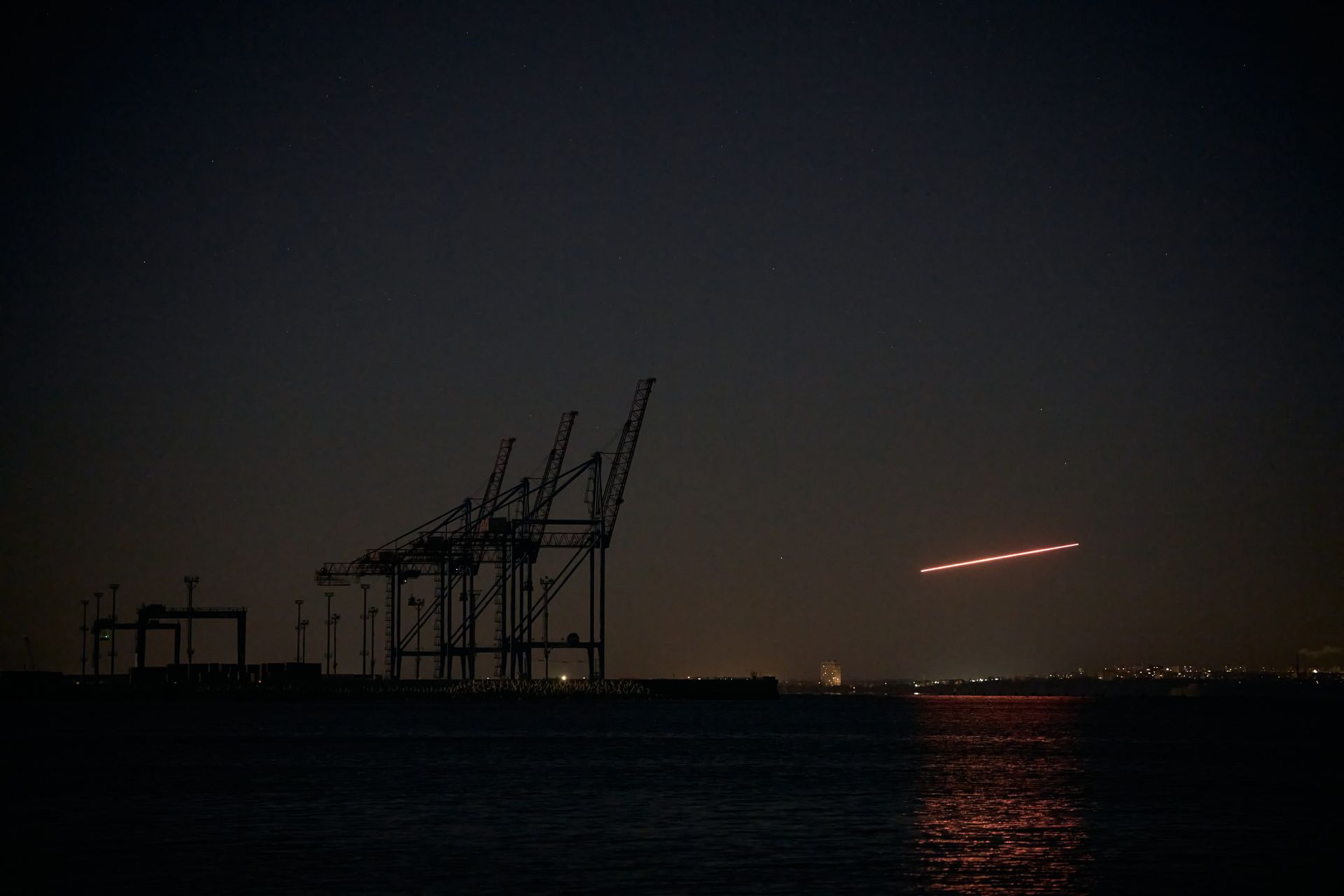
Ukraine said it struck three Russian energy assets overnight on May 13: the Tamanneftegaz oil terminal, the Yaroslavl oil refinery, and the Astrakhan gas processing plant. The attacks reportedly sparked fires and damaged facilities that handle crude, fuels, and gas exports, with damage still being assessed. Reuters also reported a separate May 7 strike stopped all production at a refinery in Perm, underscoring escalating risks to Russian energy infrastructure and export flows.
This is less a one-off headline than evidence that Russia’s energy logistics are entering a higher-frequency attrition regime. The market is still underestimating the second-order effect: even modest physical damage forces operators to hold more buffer inventory, reroute flows, and pay up for convoy/security/repair redundancy, which compresses export realizations and raises inland basis volatility even when headline crude benchmarks barely move.
The most important near-term transmission is not a permanent supply loss but a reliability discount. Black Sea export infrastructure and gas-processing nodes are especially sensitive because downtime compounds across crude, products, LPG, and shipping schedules; that creates a bottleneck where a few days of disruption can echo for weeks through tanker availability, product blending, and local storage constraints. If attacks remain episodic, the impact shows up first in regional spreads, freight, and diesel/jet tightness rather than in Brent alone.
The contrarian setup is that the market may overreact to the physical disruption and underprice the policy response. Europe and Asia have limited appetite for a generalized energy spike, so any sustained move that threatens refiners or industrial margins increases the odds of backdoor supply reallocation, SPR messaging, or softer enforcement around Russian barrels elsewhere. In other words, the durable trade is not a directional oil beta punt; it is a relative-value bet on widening volatility and on downstream users bearing the cost of higher security and logistics friction.
Timing matters: the next 2-6 weeks likely bring elevated headline risk and repair uncertainty, but the bigger P&L window is 1-3 months if repeated strikes force a structural increase in downtime and insurance/transport costs. If the campaign broadens toward maritime assets or pipeline junctions, the impact becomes multiplicative because spare capacity is thin and substitution options worsen quickly. Conversely, a lull in attacks would likely mean the market has already overcapitalized the event.
AI-powered research, real-time alerts, and portfolio analytics for institutional investors.
Request DemoOverall Sentiment
strongly negative
Sentiment Score
-0.55
