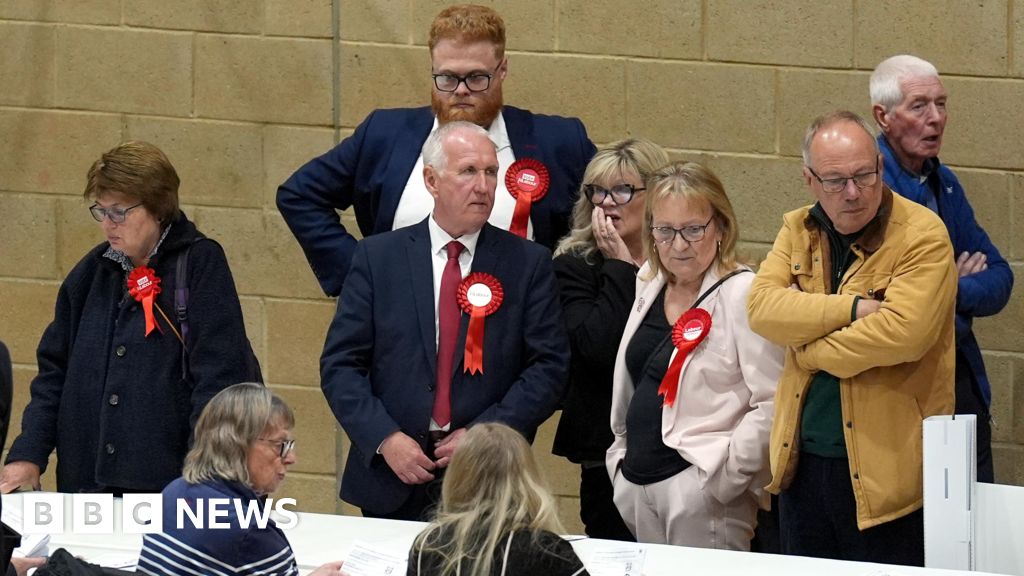
Reform is leading the vote count in early local election results, winning about a third of declared seats, while Labour has lost just under half of the seats it was defending. Labour suffered heavy losses in key heartland areas such as Tameside, where it lost 16 of 17 seats, and Wigan, where it lost all 22 seats to Reform. Turnout is running at 43%, up 8 percentage points from 2022, but the broader market impact is limited and the picture remains incomplete with results still coming in from Scotland and Wales.
The market implication is less about the local mandate and more about regime change in UK retail politics: a durable protest-vote channel now exists that can siphon support from both Labour and the Conservatives without needing a national recession catalyst. That matters for domestically exposed UK assets because it raises the probability of policy paralysis, weaker planning approval velocity, and more adversarial local governance over the next 12-24 months — all of which are negative for housebuilders, small-cap UK cyclicals, and midstream infrastructure projects dependent on council cooperation.
The second-order effect is that Labour’s base-case assumption of a smooth midterm normalization is now less credible. If this voting pattern persists into the next set of local contests, managers with UK exposure will start to price in higher odds of a hung parliament or at least a materially smaller majority, which tends to widen the equity risk premium for UK domestic names faster than for multinationals. Financials with heavy UK mortgage books and consumer lenders are most vulnerable if political fragmentation translates into slower housing turnover and weaker household confidence.
Near term, the catalyst path is mostly narrative-driven: media coverage of losses in symbolic heartland areas can extend to national polling shifts within days to weeks, especially if turnout remains elevated and Reform is seen as the vehicle for anti-incumbent sentiment. The contrarian point is that this may be an inefficiently priced warning sign for large-cap UK exporters, which are relatively insulated from local politics; the real overreaction risk is in the domestic beta complex, not the FTSE headline index. A reversal would require either a rapid consolidation of the anti-Labour vote back to the Conservatives or a policy reset from Labour that improves living-cost sentiment before the next electoral cycle.
AI-powered research, real-time alerts, and portfolio analytics for institutional investors.
Request DemoOverall Sentiment
mildly negative
Sentiment Score
-0.15
