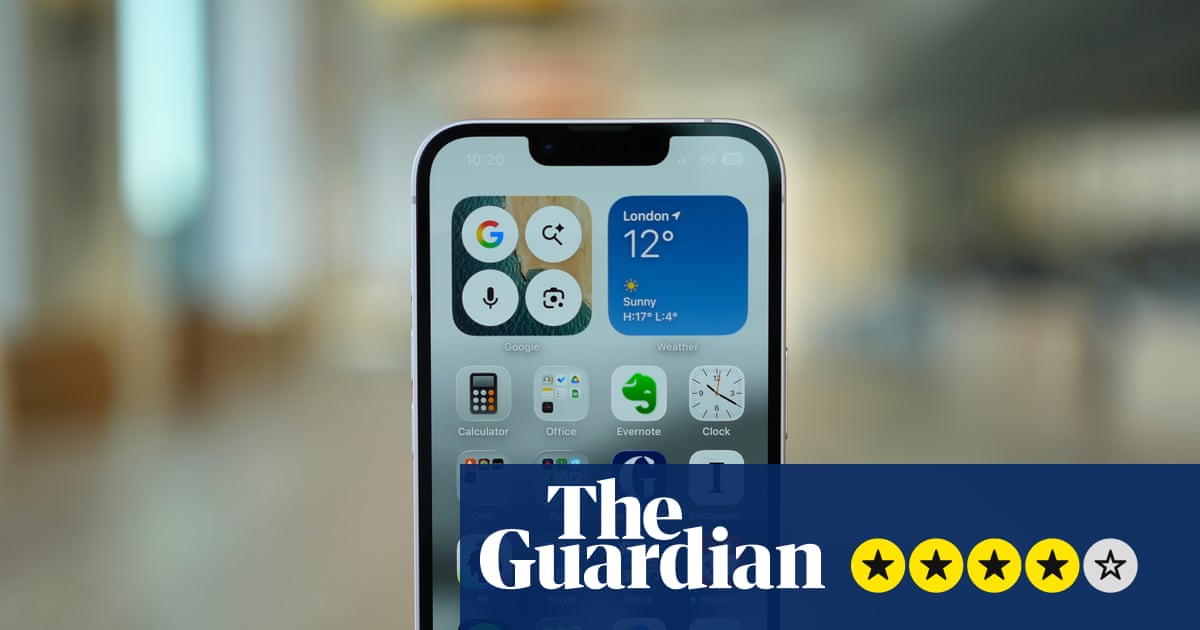
Price: iPhone 17e launches at £599 (256GB base) — £200 cheaper than the iPhone 17 and £100 cheaper than the iPhone 16 — positioning it as Apple’s cheapest new iPhone. Specs: A19 chip (one GPU core disabled vs iPhone 17), 8GB RAM, 256/512GB storage, 6.1in OLED, single 48MP rear camera, ~52‑hour typical battery life; missing Wi‑Fi 7, Thread and UWB and lacks ultrawide/telephoto cameras. Sustainability/servicing: >30% recycled materials, battery replaceable for £95, out‑of‑warranty screen repair £225 and iFixit repairability 7/10; competitively priced vs Pixel 10a and Galaxy S25 FE at £499 but trades off camera flexibility and some premium features.
This release accelerates Apple’s deliberate move to squeeze the mainstream upgrade bucket — more of the core iPhone experience is now available at a lower entry price, which will materially change unit composition even if ASPs per handset drift down. Doubling base storage at the sub-premium tier raises per-unit NAND content and cloud-storage monetization optionality; expect incremental semiconductor content (flash + DRAM) to lift component demand within 2-3 quarters and improve revenue mix for suppliers with constrained capacity.
Competitive dynamics: cheaper new iPhones blunt the mid-range Android value proposition and will pressure OEMs that compete on price (Samsung FE, Google A-series). Second-order winners are high-volume contract assemblers and foundries that secure steady wafer allocations for these high-volume mid-range SKUs — conversely, features Apple omits (UWB, Thread, Wi‑Fi7) slow certain adjacent ecosystems (precision IoT accessories, smart‑home integrations), shifting accessory spend toward MagSafe-enabled products instead.
Risks and catalysts: near-term upside hinges on the holiday upgrade cycle and inventory discipline — weak macro or slower-than-expected promotion could leave Apple holding mid-cycle inventory, compressing margins within 1-2 quarters. A contrarian tail-risk is cannibalization of refurbished/third-party channels (iPhone 16/16 refurbished), which could mute unit growth and therefore reduce the expected lift to services and components over 6–12 months.
AI-powered research, real-time alerts, and portfolio analytics for institutional investors.
Request DemoOverall Sentiment
mildly positive
Sentiment Score
0.25
Ticker Sentiment
