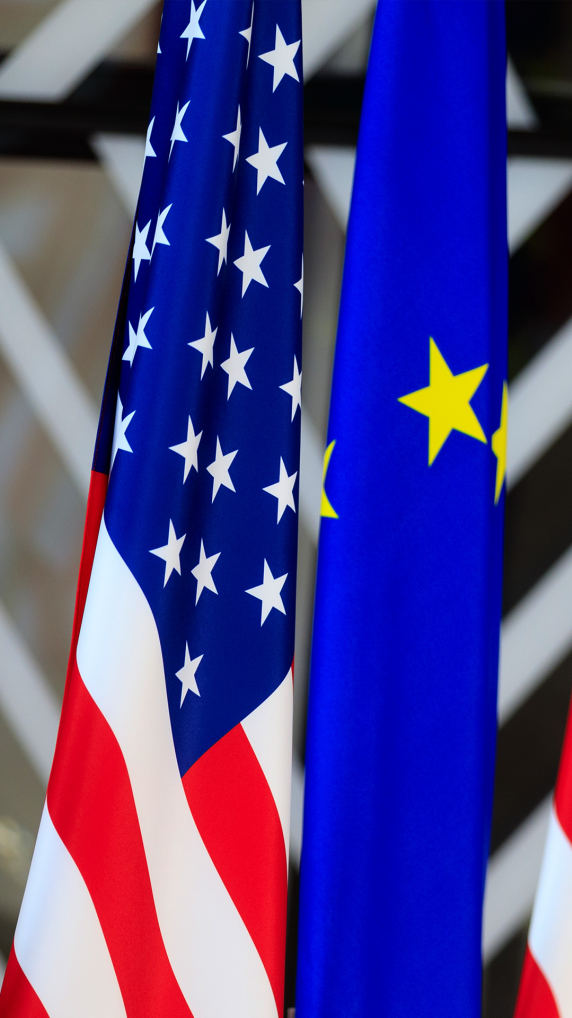
The European Union is reportedly discussing the potential deployment of its 'anti-coercion instrument,' a powerful trade defense mechanism, in response to looming tariff threats from the United States. This consideration by some EU members signals a potential escalation in transatlantic trade relations, indicating the bloc's readiness to utilize its most potent retaliatory tools against perceived US economic pressure.
The European Union is reportedly contemplating the deployment of its 'anti-coercion instrument' against the United States, a significant development signaling a potential escalation in transatlantic trade tensions. This mechanism is described as the EU's 'most powerful trade weapon' and a tool of last resort, indicating the seriousness with which some member states view the threat of US tariffs. The context is one of heightened geopolitical risk, as reflected by the strongly negative sentiment score (-0.6) and moderate-to-high market impact score (0.6). While the discussions are not yet bloc-wide policy and the tone remains uncertain, the mere consideration of such a powerful retaliatory measure introduces a new layer of risk for assets and supply chains exposed to the EU-US trade corridor.
AI-powered research, real-time alerts, and portfolio analytics for institutional investors.
Request DemoOverall Sentiment
strongly negative
Sentiment Score
-0.60
