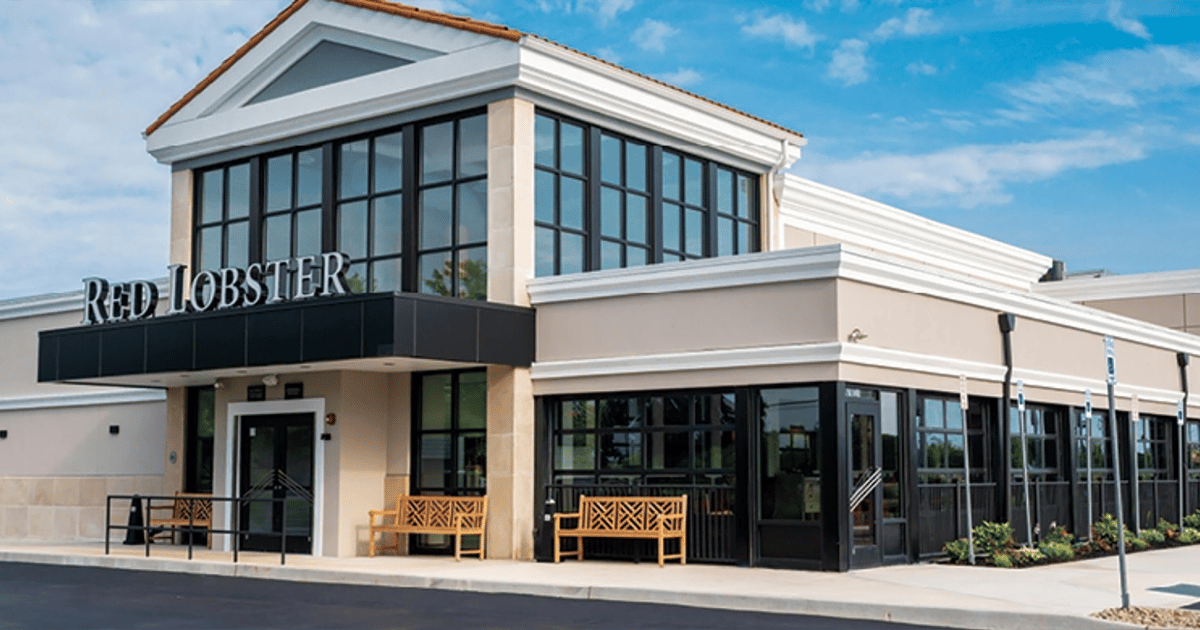
Starbucks will offer baristas incentive bonuses up to $500 per quarter, expand tipping, move to weekly pay and add promotional opportunities — changes the company says should raise pay by roughly 5%–8%. Red Lobster saw sales decline 6% last year (third straight annual decline) amid high lease costs and aging stores, though management and owners say sales and earnings are ahead of expectations so far this year. McDonald’s is launching an Under $3 Menu on April 21 with at least 10 items (e.g., Sausage McMuffin, McChicken McDouble, four-piece McNuggets); the McDouble will be $2.50 to kick off the promotion versus a $3.30 national average.
Back-of-house automation and data optimization create an earnings bifurcation across restaurant operators: those that invest now capture a multi-year flow-through as labor-hour intensity declines and inventory shrink improves. Conservatively, a 1-2% incremental tech spend deployed well can deliver 40–100bps of EBIT margin improvement within 12–24 months for high-frequency chains because fixed costs are already sunk and labor is the marginal cost lever.
Value-focused promotional pushes will continue to move traffic but compress check and mix — the net benefit to corporate earnings depends on ownership mix and royalty structures. Chains with a heavy franchise base will see weaker direct margin volatility at the corporate level but risk second-order pressure on franchisee solvency and long-term reinvestment budgets, which feeds back into remodel cycles and brand health over 12–36 months.
Key catalysts to watch are: phased tech rollouts and measured unit-level productivity readouts (quarterly), franchisee feedback and adoption rates (6–18 months), and consumer elasticities to value menus (weeks→quarters). Tail risks include execution failure on AI/automation, faster-than-expected wage inflation, and a demand shock that makes traffic gains from promotions ephemeral; any of these can invert the expected margin trajectory.
The asymmetric opportunities are in picking operators with capital flexibility plus digital scale and shorting or hedging those that rely on price promotions to prop comps. Timing matters — promotions are a near-term volatility event, while tech-driven margin gains are a medium-term (6–24 month) play that compounds.
AI-powered research, real-time alerts, and portfolio analytics for institutional investors.
Request DemoOverall Sentiment
mixed
Sentiment Score
0.05
Ticker Sentiment
