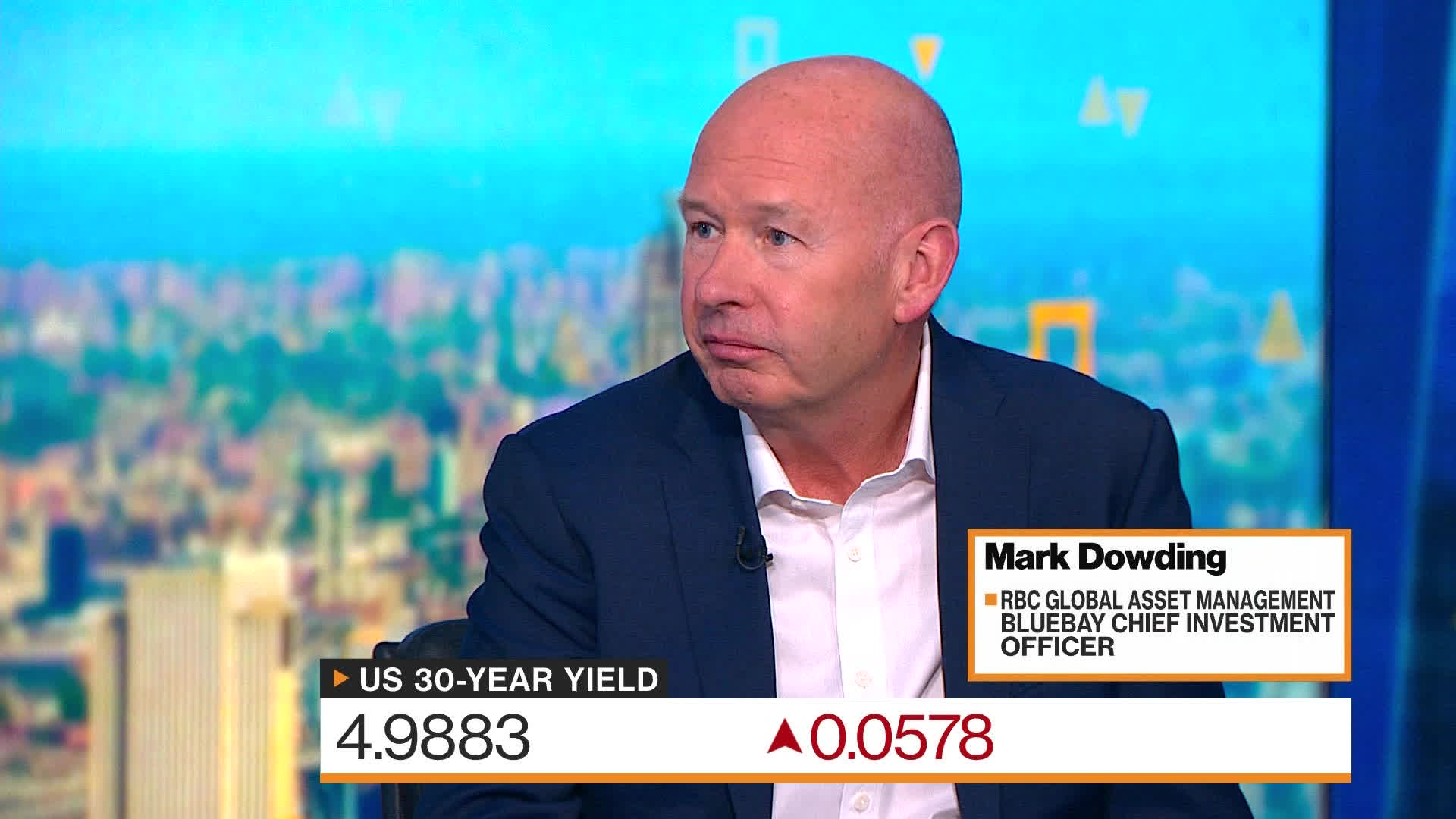
Former President Trump is proposing to double steel and aluminum tariffs to 50%, according to Bloomberg Markets. This announcement follows Trump's condemnation of an attack in Boulder targeting a march in support of Israeli hostages, and it precedes a Senate review of Trump's previous tax cuts, potentially signaling a shift in trade and economic policy under a future Trump administration.
Former President Trump's proposal to double steel and aluminum tariffs to 50%, as reported by Bloomberg Markets, signals a potential significant shift towards more protectionist trade policies. This development, characterized by a strongly negative sentiment score of -0.7 and a high market impact score of 0.7, suggests considerable market concern regarding the implications for industries reliant on these commodities. Such a tariff hike could lead to increased input costs for manufacturers, potentially fueling inflation and disrupting existing supply chains. The timing of this announcement, alongside an upcoming Senate review of previous Trump tax cuts and his comments on geopolitical events, points to a period of heightened economic policy uncertainty, particularly with the theme of 'Elections & Domestic Politics' being prominent. The market's pessimistic tone reflects apprehension over the potential for renewed trade tensions and their impact on global economic stability.
AI-powered research, real-time alerts, and portfolio analytics for institutional investors.
Request DemoOverall Sentiment
strongly negative
Sentiment Score
-0.70
