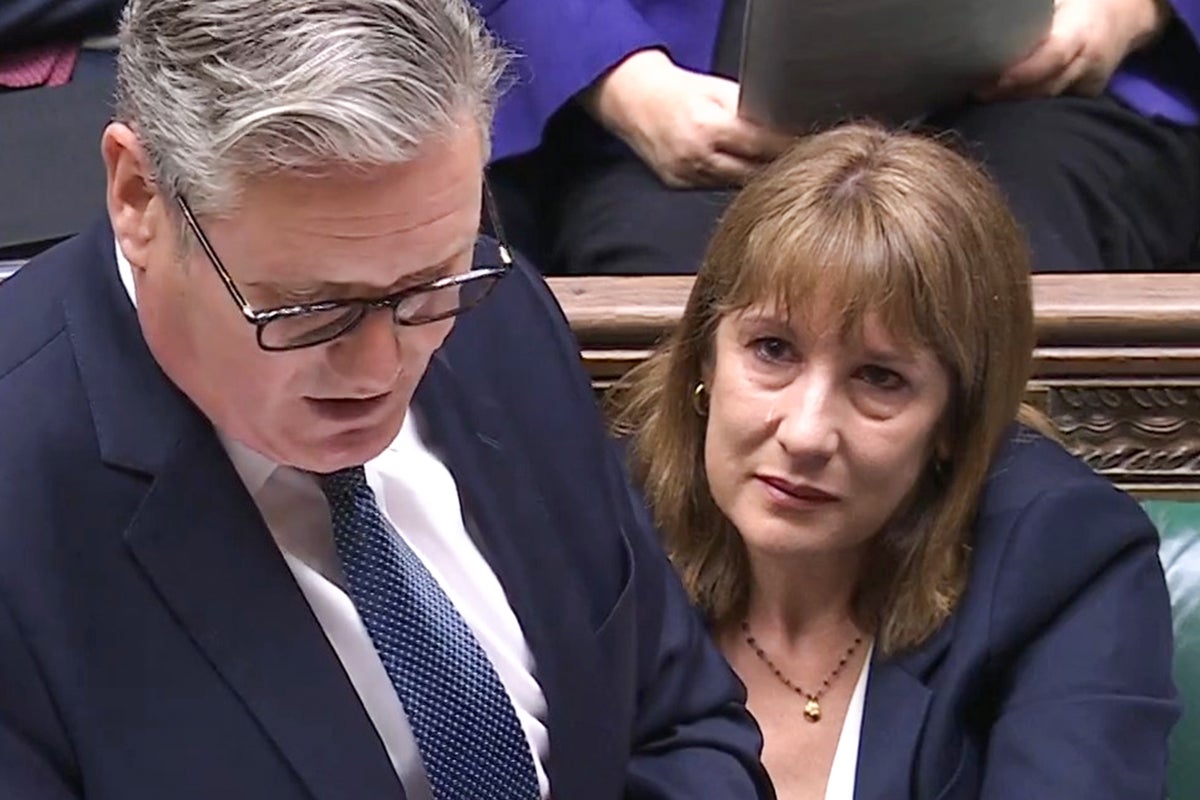
UK Prime Minister Starmer faces significant pressure following a welfare U-turn that created a £5bn funding gap, leading to a backbench rebellion and discussions of new taxes, including a wealth tax. This fiscal uncertainty has caused market unease, with the pound and gilts dropping and government bond yields rising, signaling higher borrowing costs. Analysts and fund managers warn that potential tax rises to cover the deficit could lead to a 'death spiral of growth destruction' and potentially trigger another UK fiscal crisis, as the government balances political demands against fiscal prudence for bond investors.
The UK government's reversal on welfare policy has introduced significant fiscal uncertainty, creating a £5bn funding gap that has alarmed credit markets. This political U-turn, followed by a backbench rebellion and public pressure on the Prime Minister and Chancellor, has forced the government to consider tax increases as its primary recourse. This development has been met with a negative market reaction, evidenced by a drop in the value of the pound and gilts, alongside a rise in government bond yields, which directly increases the UK's borrowing costs. Financial analysts are highlighting the acute risk of this situation escalating, with one fund manager from TwentyFour Asset Management warning that tax rises could trigger a 'death spiral of growth destruction.' Furthermore, research director at XTB, Kathleen Brooks, noted the potential for another UK fiscal crisis if rising debt levels are not managed to appease bond investors, who may shift capital to less risky corporate debt. The government is now in a precarious position, balancing internal party political pressures for wealth taxes against the need to restore fiscal credibility with the market.
AI-powered research, real-time alerts, and portfolio analytics for institutional investors.
Overall Sentiment
strongly negative
Sentiment Score
-0.80
