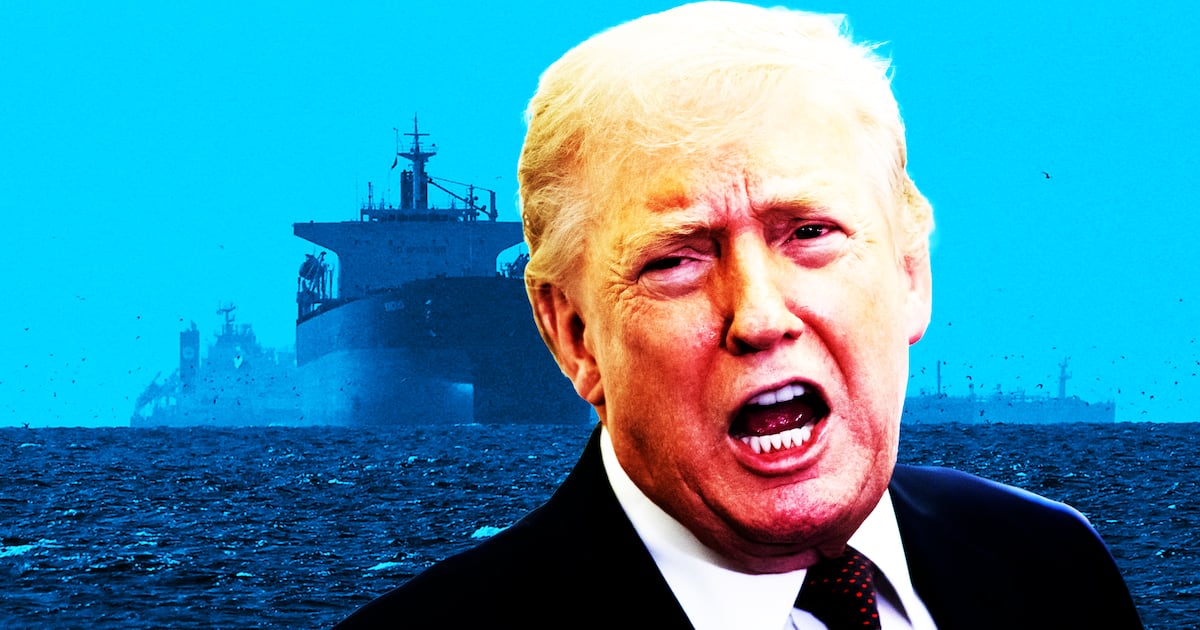
20%: A U.S.-Iran temporary ceasefire reopened the Strait of Hormuz—the route carrying roughly one-fifth of global oil—and includes U.S. commitments to end strikes, discuss compensation for reconstruction, and consider sanctions/tariff relief. President Trump threatened massive strikes ahead of the deadline, then pivoted to proposing business cooperation with Iran and touting potential tariff/sanctions relief, prompting calls to invoke the 25th Amendment and heightening political uncertainty. The ceasefire materially reduces immediate tail risk to oil/shipping markets, but erratic leadership messaging keeps geopolitical risk and market volatility elevated.
Market reaction will be driven less by the headline and more by the credibility and timing of follow-through: a credible, enforceable sanctions-relief pathway for Iran would add immediate seaborne supply within 3–9 months and knock $5–$15/bbl off the near-term risk-premium if the Strait stays reliably open. Conversely, the combination of erratic messaging and fragile deal architecture lifts short-dated war-risk premia for shipping and insurance—historically a 40–200% move in freight rates across the tanker complex and a $0.50–$3/bbl surcharge embedded in delivered crude until insurance normalizes. Expect realized volatility in Brent and shipping equities to spike in the next 48–72 hours around on-the-ground verification events, then to decay asymmetrically depending on sanctions mechanics.
Second-order beneficiaries differ by horizon: tactical winners include tanker owners and charter-rate beneficiaries (days–weeks) and marine/reinsurance brokers (weeks–months) who collect higher commissions/premia; medium-term winners (3–18 months) are civil engineering and heavy-equipment contractors who would compete for reconstruction spend if sanctions unwind. Structural losers if normalization occurs are high-cost global marginal barrels and crowded US shale names whose breakevens sit near the marginal price; these producers suffer both price compression and capital flow reversals. Financial plumbing impacts—higher trade finance costs and elevated marine insurance—will transiently widen working capital needs for integrated fuels traders and commodity-exposed emerging-market importers.
Key catalysts to watch: AIS tanker flows through Hormuz, Lloyd’s war-risk premium notices, US Treasury sanctions guidance (days–weeks), and monthly OPEC export tallies. Tail risks skew to the upside for energy prices within 0–7 days if a tactical incident or mixed messaging triggers re-escalation; policy reversal or a rapid, verifiable sanctions lift is the main path to price normalization within 1–4 months. The consensus is treating this as binary (war vs peace); what’s missing is the high-probability middle path—intermittent opening plus persistent political uncertainty—that favors volatility-selling with tight risk controls rather than directionally long oil for calendar-year exposure.
AI-powered research, real-time alerts, and portfolio analytics for institutional investors.
Request DemoOverall Sentiment
strongly negative
Sentiment Score
-0.65
