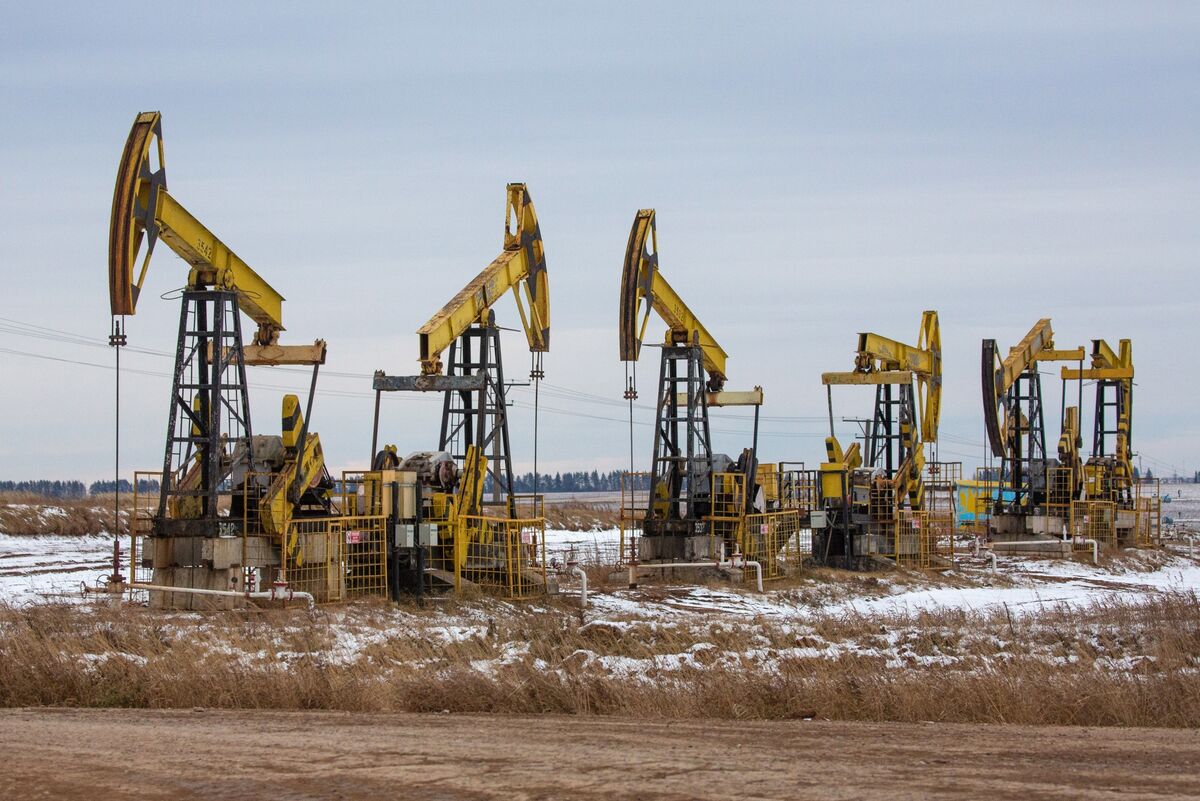
The EU has abandoned its proposal to lower the price cap on Russian oil to $45 per barrel, citing concerns that the US would not support stricter sanctions amid rising crude oil prices following the recent conflict between Israel and Iran. This decision reflects the difficulty in achieving consensus among the EU's 27 members on energy policy, particularly when geopolitical events impact global oil markets.
The European Union has abandoned its proposal to lower the price cap on Russian oil exports to $45 per barrel, maintaining the current $60 threshold. This decision is primarily driven by concerns that the United States would not support more stringent sanctions amidst a surge in crude oil prices, a development exacerbated by recent geopolitical tensions, specifically Israel's attack on Iran. The situation highlights the complexities in achieving unanimous agreement among the EU's 27 member states on energy sanctions, especially when such measures could further destabilize volatile global oil markets. The 'mixed' sentiment and 'cautious' tone associated with this development, alongside a moderate market impact score of 0.5, reflect the delicate balance between exerting geopolitical pressure and managing economic repercussions, particularly potential inflationary pressures from higher energy costs. The decision implies that the current level of restriction on Russian oil revenue will persist, rather than tighten, which could have nuanced effects on global oil supply and price dynamics.
AI-powered research, real-time alerts, and portfolio analytics for institutional investors.
Request DemoOverall Sentiment
mixed
Sentiment Score
0.00
