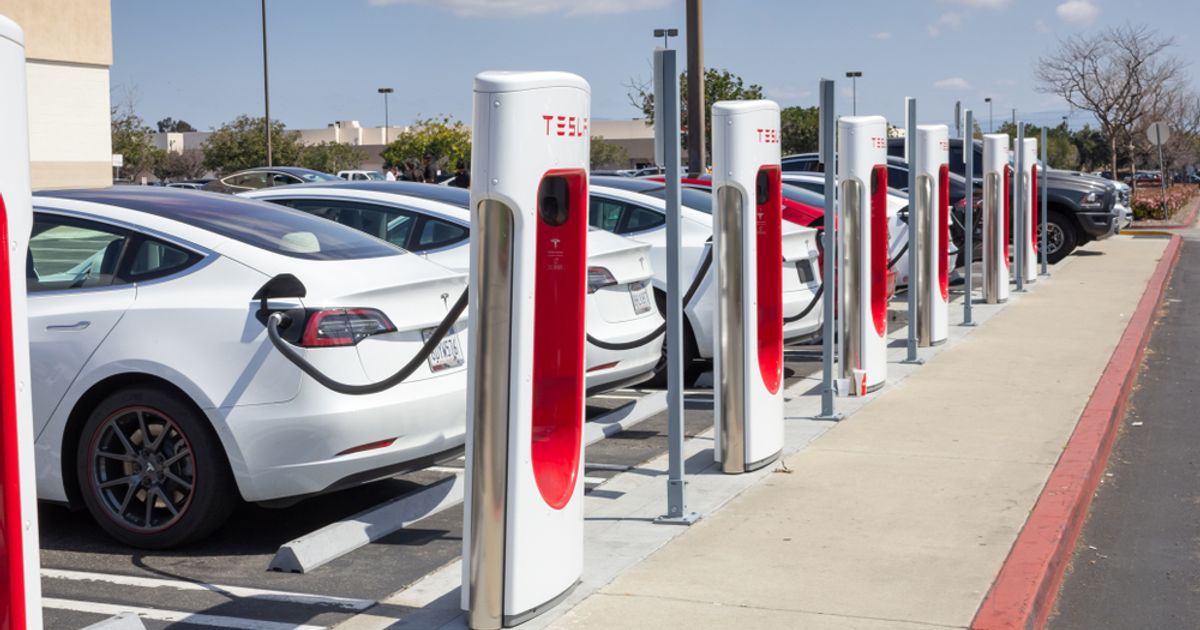
Canada agreed to allow up to 49,000 Chinese-made electric vehicles into the country annually at a 6.1% tariff (down from a 100% duty imposed in 2024), with the quota potentially rising to 70,000 within five years and half reserved for vehicles priced under C$35,000. The change is expected to benefit manufacturers with existing Canadian certification and sales networks—Bloomberg Intelligence highlighted Tesla and Geely-controlled brands Volvo and Polestar—and could enable Tesla to resume shipments from its Shanghai plant after imports halted in 2024; the deal also includes Chinese concessions on Canadian canola exports.
Market structure: The 49k annual quota (expandable to 70k in 5 years) at 6.1% vs prior 100% duty materially reopens a channel that allowed Tesla to ship ~44k China-built EVs to Canada in 2023. Immediate winners are firms with existing Canadian certification and networks – TSLA and Geely-controlled Volvo/Polestar – while late-to-certify Chinese brands face 6–12+ month rollout slippage. The half-quota reserved for vehicles <C$35k implies roughly ~24.5k slots initially remain for >C$35k models, capping upside for Tesla in year-one unless allocations shift.
Risk assessment: Tail risks include rapid policy reversal, quota reallocation, or Canada imposing local-content thresholds that negate import economics; operationally, certification delays and port/logistics congestion could push volumes beyond 3–9 months. Timewise expect price reactions in days, first shipment/volume effects in 1–3 months, and supply-chain/market-share shifts over 12–36 months. Hidden dependencies: corporate allocation politics, dealer inventory strategy, and consumer price elasticity in Canada will determine realized volume versus paper entitlement.
Trade implications: Tactical direct plays are long TSLA exposure sized small (1–2% portfolio) to capture resumed Shanghai shipments and second, long PSNY/0175.HK exposure for Geely-linked upside; avoid over-allocating until allocation notices. Options: use 3–6 month TSLA call spreads (10–15% OTM) to cap cost and capture near-term re-rating; consider 6–12 month LEAP calls on PSNY to play structural China-to-Canada expansion.
Contrarian angles: Consensus overweights headline winners without pricing allocation friction—expect an initial split where non-<$35k quota and certification constraints limit TSLA to ~50% of its 2023 China-Canada volumes in year-one. Historical parallels (tariff reversals and quota-administered openings) show incumbents often only partially regain prior share; unintended consequence could be accelerated price competition and margin compression across mid-price EVs in Canada, pressuring traditional OEMs faster than currently modeled.
AI-powered research, real-time alerts, and portfolio analytics for institutional investors.
Request DemoOverall Sentiment
mildly positive
Sentiment Score
0.30
Ticker Sentiment
