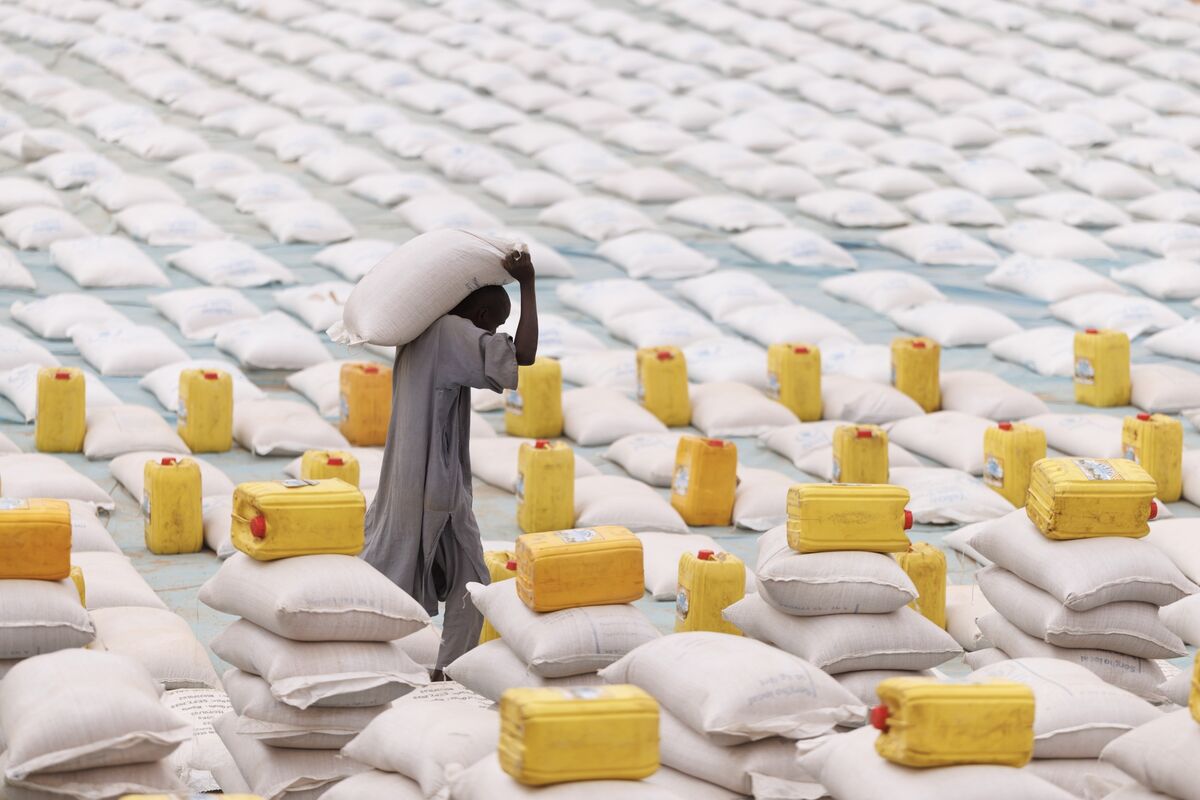
A new study in The Lancet Global Health indicates that unilateral economic sanctions, particularly those from the US and EU, are associated with over 500,000 deaths annually, a toll comparable to armed conflict. The research highlights that these penalties disproportionately increase mortality, especially among children under five, by impeding public health services and humanitarian operations. This finding underscores the severe humanitarian and geopolitical implications of such sanctions, potentially influencing future policy debates and risk assessments.
A new study published in The Lancet Global Health presents a stark quantification of the human cost associated with unilateral economic sanctions, equating their mortality impact to that of armed conflict. The research attributes over 500,000 deaths per year to sanctions, primarily those imposed by the US and the European Union, with a disproportionate effect on children under the age of five. The mechanism identified is the degradation of public health services and the obstruction of humanitarian aid operations. While the report carries an extremely negative sentiment, its immediate market impact is assessed as low. This suggests that financial markets may not currently be pricing in the severe humanitarian externalities of these geopolitical tools. For investors, this data reframes sanctions not just as a political or economic risk, but as a significant social issue, which could gain prominence in ESG frameworks and influence future policy debates regarding their use and severity.
AI-powered research, real-time alerts, and portfolio analytics for institutional investors.
Request DemoOverall Sentiment
extremely negative
Sentiment Score
-0.90
