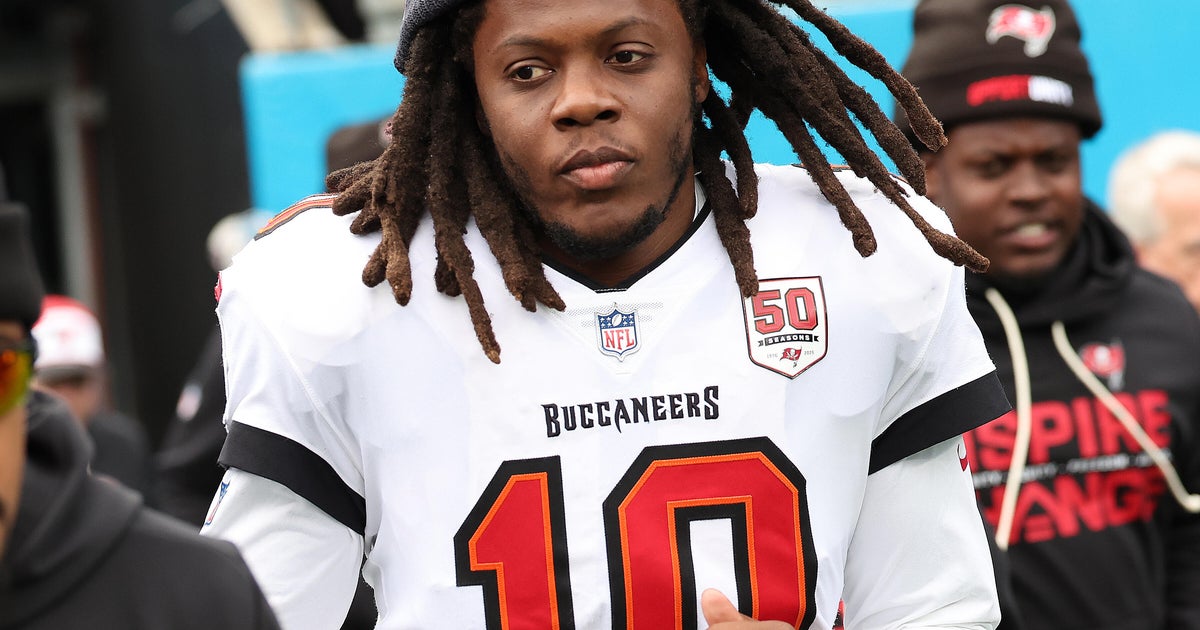
Florida Senate Bill 178, informally dubbed the Teddy Bridgewater Act and sponsored by Sen. Shevrin Jones, would allow high school head coaches to spend up to $15,000 of personal funds per team per year on items such as food, transportation and recovery services, reversing current Florida High School Athletic Association bylaws that label such aid as impermissible benefits. The bill requires coaches to report expenditures to the FHSAA, bars spending for recruiting, and would take effect July 1 if enacted; it was introduced after public support following Bridgewater's suspension and includes safeguards but raises enforcement and abuse concerns.
Market structure: The bill legalizes up to $15,000/coach/team/year in personal spending (food, Ubers, recovery) which creates a theoretical statewide ceiling in the low tens of millions (ballpark $40–60m if every team maxed out). Direct beneficiaries are local services (rideshare, food delivery, trainers) and payment/expense platforms; winners are fragmented and demand is shallow relative to UBER’s ~$30B revenue base (<0.2% upside). Pricing power remains with large platforms only if the behavior scales beyond Florida or becomes recurring.
Risk assessment: Immediate (days) impact is negligible; short-term (30–90 days) risks include reputational headlines, enforcement disputes and contested “good faith” definitions that could produce litigation or reversals. Tail scenarios: rapid multi-state adoption or a federal crackdown on recruiting abuses — either could swing demand from immaterial to meaningful (hundreds of millions) or produce regulatory costs for platforms. Key hidden dependency is enforcement/reporting fidelity; weak reporting increases fraud risk and backlash.
Trade implications: For liquid markets, the story supports only micro, event-driven trades — not fundamental repositioning. If bill signs within 14 days and 2+ other states introduce similar bills within 90 days, rideshare revenue exposure could scale to low hundreds of millions; until then, prefer small, capped-cost option exposure rather than large directional equity bets. Monitor FHSAA rule clarifications and governor action as 7–30 day catalysts.
Contrarian angles: Consensus will ignore compliance-service winners (expense reporting, audit SaaS) and overestimate direct rideshare upside; historically (NIL college policies) the initial demand pool expanded but drove significant compliance spend and legal friction. Unintended consequences include robust auditing demand and potential insurer/regulator scrutiny — consider upstream vendors and reputational short-risk for household-name franchises if abuses surface.
AI-powered research, real-time alerts, and portfolio analytics for institutional investors.
Request DemoOverall Sentiment
mildly positive
Sentiment Score
0.10
Ticker Sentiment
