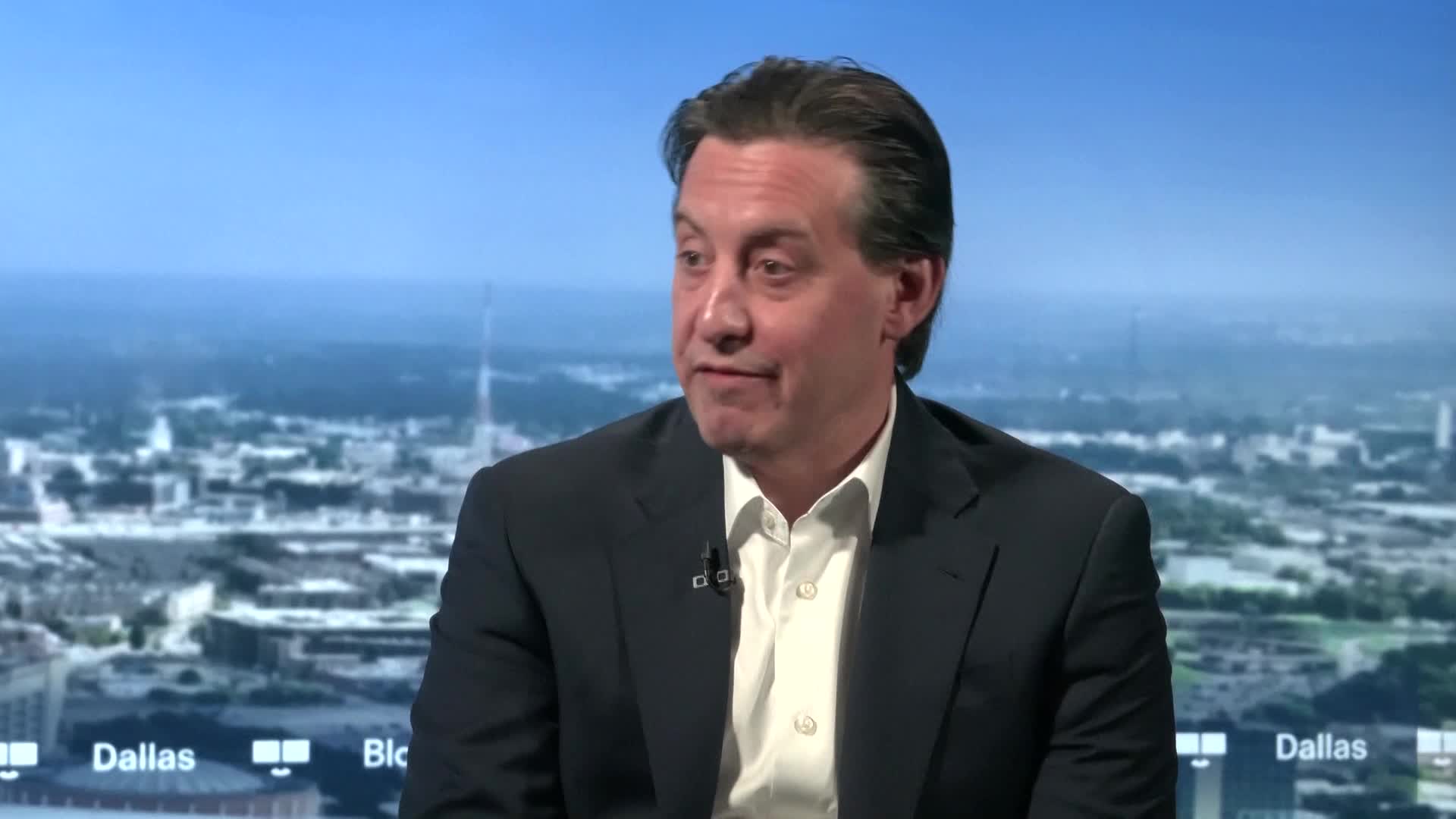
The interview highlights Texas’s strong economic momentum — a $2.7 trillion state GDP, fastest job and population growth, and policy moves (a constitutional ban on taxing financial transactions) that are drawing exchanges and financial firms to the state. It flags a concrete $40 billion Alphabet plan for three new Texas data centers (including near Abilene) co-located with solar and battery storage, while expressing skepticism about the leasing/financing model (15–20 year leases) and risks from rapid hardware obsolescence as GPUs evolve. The speaker is optimistic about AI-driven gains in healthcare (citing an AI-found link between shingles vaccination and lower dementia risk) and says tariffs’ inflationary effects have been muted, but urges caution around large, circular data-center ecosystem investments.
Market structure: Hyperscalers (GOOGL, AMZN) and GPU vendors (NVDA) are clear demand drivers for compute and power; large lease-backed data centers transfer capex risk to financial sponsors (BLK) while leaving hyperscalers asset-light. The $40B GOOGL Texas push and 15–20 year leases increase industrial power demand (multi-GW) and favor ERCOT-exposed generators and short-duration storage; expect upward pressure on nat gas and wholesale power in summer months if reserve margins tighten.
Risk assessment: Tail risks include rapid obsolescence (GPU/ASIC refresh cycles ~6 months) making sunk data-center shells functionally obsolete, and state/federal regulatory shocks (energy curbs or lease accounting changes) that could reprice private real estate debt. Near-term catalysts: NVDA quarterly guidance and GOOGL/AMZN capex notices in next 30–90 days; medium-term (6–24 months) is grid upgrades and commercial mortgage rollovers that will test sponsor balance sheets.
Trade implications: Favor directional exposure to NVDA (AI compute cycle) and select financials benefiting from Texas growth (GS, SCHW) while underweight/short balance-sheet-heavy real estate financiers (BLK) and legacy networking (CSCO) facing secular pressure. Use defined-risk option structures around NVDA earnings (3-month call spreads) and tactical nat gas exposure if ERCOT seasonal reserve <10% forecast for upcoming summer.
Contrarian angles: Consensus underestimates lease-structure fragility and second-order credit risk in private-data-center financing — history repeats from telecom 2000s where circular vendor-supplier financing amplified write-downs. The Texas housing “no bubble” narrative may be underdone for local pockets; unintended consequences include accelerated local regulation of power use or taxation changes that would quickly reprice both real estate and regional financial stocks.
AI-powered research, real-time alerts, and portfolio analytics for institutional investors.
Request DemoOverall Sentiment
mildly positive
Sentiment Score
0.25
Ticker Sentiment
