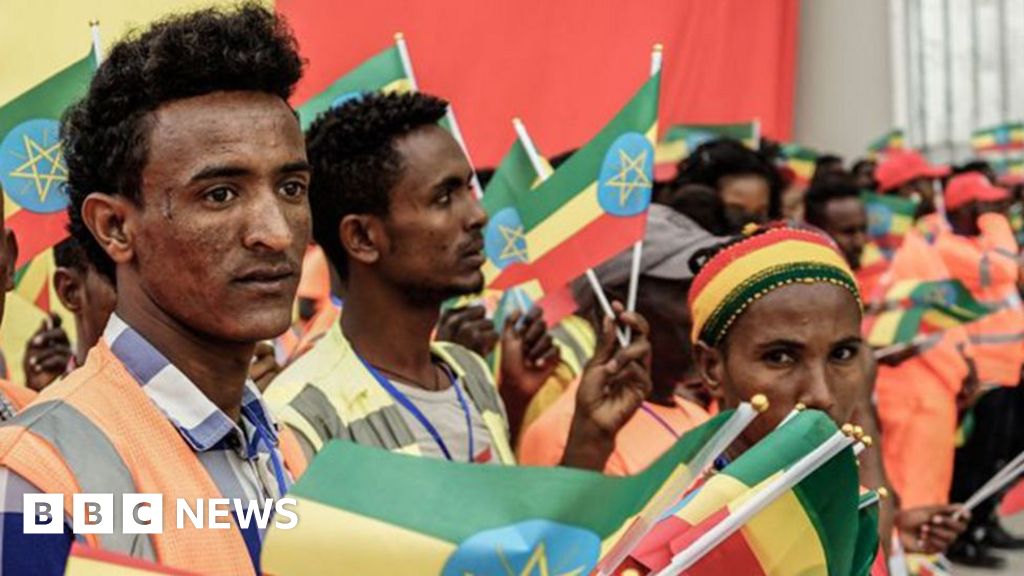
Ethiopia has formally launched the Grand Ethiopian Renaissance Dam (GERD), now Africa's largest hydro-electric dam, projected to generate 5,100MW at full capacity, significantly more than doubling the nation's current output. This domestically funded mega-project, hailed as a symbol of national pride and a unifying force, aims to electrify nearly 90% of Ethiopia by 2030 and supply power regionally, despite historical geopolitical tensions with downstream nations like Egypt. While a major step in energy access, substantial investment in grid infrastructure expansion is still required to effectively distribute the generated power across the country.
Ethiopia has formally launched the Grand Ethiopian Renaissance Dam (GERD), a mega-project that fundamentally alters the country's energy landscape and economic outlook. With a projected full capacity of 5,100MW, the dam is set to more than double the nation's current electricity production, addressing a critical infrastructure deficit where nearly half of the 135 million population lacks power. The project's domestic financing model, driven by public bond purchases and donations, highlights strong nationalistic sentiment and fiscal autonomy, positioning the GERD as a unifying symbol amidst internal political strife. However, a significant execution risk remains, as the full economic benefit is contingent on a massive expansion of the national power grid. The Water and Energy Minister has acknowledged that tens of thousands of kilometers of transmission lines are still required to connect rural areas, representing a major bottleneck to achieving the government's goal of 90% electrification by 2030. While the launch marks a domestic triumph and a milestone in renewable energy for the region, the historical diplomatic tensions with downstream nations like Egypt are a noteworthy geopolitical footnote.
AI-powered research, real-time alerts, and portfolio analytics for institutional investors.
Overall Sentiment
strongly positive
Sentiment Score
0.75
