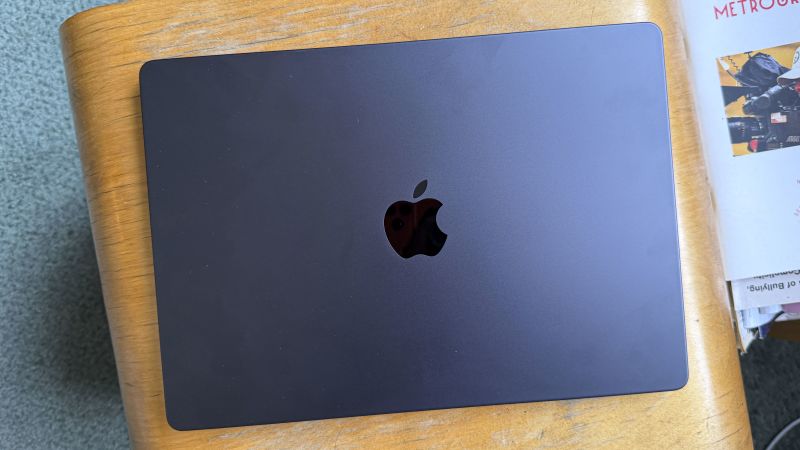
CNN Underscored presents a curated Black Friday roundup highlighting deep discounts across laptops, desktops and accessories — notable callouts include a Lenovo IdeaPad 3i Chromebook at $149, a MacBook Air under $600 (Walmart), MacBook Air M4 and MacBook Pro models at lowest/close-to-lowest prices, and core peripherals like the Logitech C920 near all-time lows. The coverage is based on hands-on testing and price history tracking, signaling aggressive holiday pricing and promotional intensity in consumer electronics but offering limited direct implications for broader market fundamentals beyond seasonal retail and category-level demand signals.
Market structure: Black Friday deep discounts amplify short-term demand pull-forward for consumer PCs while pressuring ASPs across the Windows/Chromebook ecosystem. Winners are brand owners with pricing power and services (AAPL) and traffic-oriented retailers (WMT) that monetize cross-sell; losers are mid-to-low tier OEMs dependent on volume and thin margins, which face margin compression of 200–400bps if discounts persist into Q1. Inventory-clearing promotions signal adequate supply but uneven demand by segment — premium Apple lines tighten supply/demand while mass-market SKUs show surplus.
Risk assessment: Tail risks include an inventory glut through Q1 leading OEM earnings misses, or macro shock (consumer credit stress) that reduces holiday follow-through; probability moderate but impact high (earnings revisions -10–20%). Immediate (days) effects: transitory sales spikes and volatility; short-term (weeks–months): retail comps and inventory cadence; long-term (quarters): product cycle and services attach rates drive durable margin differences. Hidden dependencies: Apple’s services/care attach can offset hardware discounting by ~200–300bps over 12 months; retailers’ real benefit depends on basket lift, not laptop units alone.
Trade implications: Favor exposure to high-margin, brand-driven hardware (AAPL) and underweight commoditized OEM exposure. Near-term catalysts: weekly sales data, WMT same-store sales (reporting cadence Nov–Dec), and AAPL holiday sell-through reported in Jan; these will reprice stocks and options implied vol. Cross-asset: stronger holiday retail reduces sovereign bond safe-haven demand (mild bear steepening risk) and may lift semiconductor suppliers modestly; FX impact limited but USD strength would compress margins for import-heavy players.
Contrarian view: The market underestimates services-driven resilience at AAPL — discounts may boost unit growth but preserve revenue via attach rates, so a 5–10% hardware-driven pullback is a buying opportunity. Conversely, consensus may underprice margin erosion at Dell-like OEMs if promotions extend into Q1; avoid buying short-term strength in those names. Historical parallel: 2019 post-holiday PC promotions preceded a H1 inventory correction; watch inventory turns as a leading indicator to avoid being caught long commoditized OEMs.
AI-powered research, real-time alerts, and portfolio analytics for institutional investors.
Request DemoOverall Sentiment
mildly positive
Sentiment Score
0.30
Ticker Sentiment
