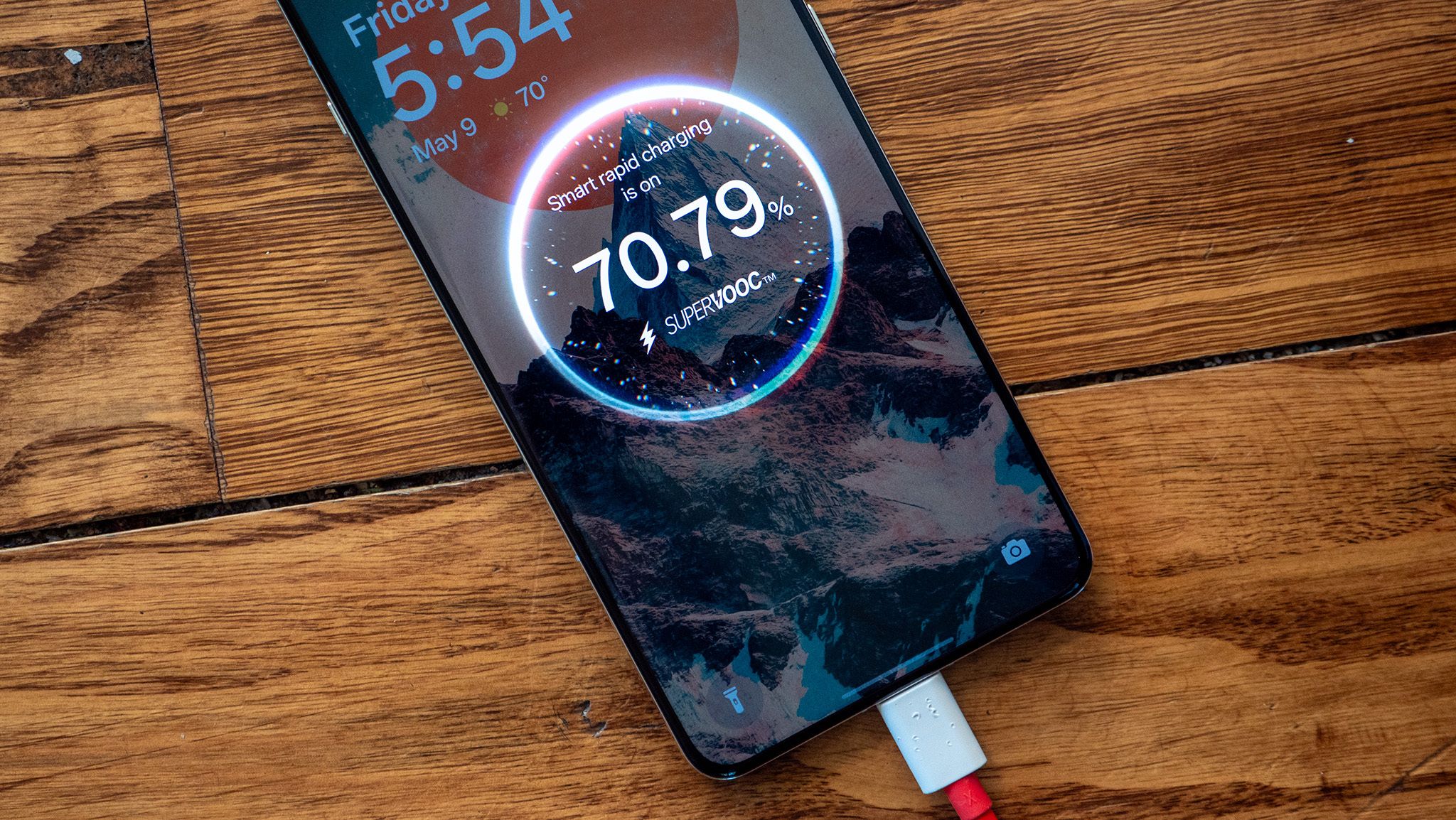
A comprehensive two-year study involving 40 smartphones concluded that fast charging does not significantly degrade battery health, dispelling common consumer concerns. The research indicated only a 0.3% difference in battery health between 120W and 18W charging over 500 cycles. While maintaining a charge between 30-80% offered a marginal 2.5% improvement in longevity over two years, the overall finding suggests users can charge devices based on convenience without material long-term impact on battery performance.
A comprehensive two-year study involving 40 smartphones has largely debunked the long-held belief that fast charging significantly degrades battery health. The research, comparing 120W fast charging against 18W slow charging over 500 cycles, found a negligible 0.3% difference in battery health, indicating that convenience outweighs any measurable negative impact.
The study also investigated the impact of maintaining a charge between 30-80% versus full 0-100% cycles. While phones kept within the 30-80% range showed a 2.5% better battery health over two years, this marginal gain was deemed insufficient to warrant limiting device utility for most users.
This finding could influence consumer perception of battery longevity and charging practices, potentially alleviating concerns previously associated with devices from manufacturers like Apple (AAPL) and Google (GOOGL). The overall conclusion suggests that users can prioritize convenience in charging without material long-term impact on battery performance, which may shift marketing narratives for ultra-fast charging phones.
AI-powered research, real-time alerts, and portfolio analytics for institutional investors.
Request DemoOverall Sentiment
neutral
Sentiment Score
0.00
Ticker Sentiment
