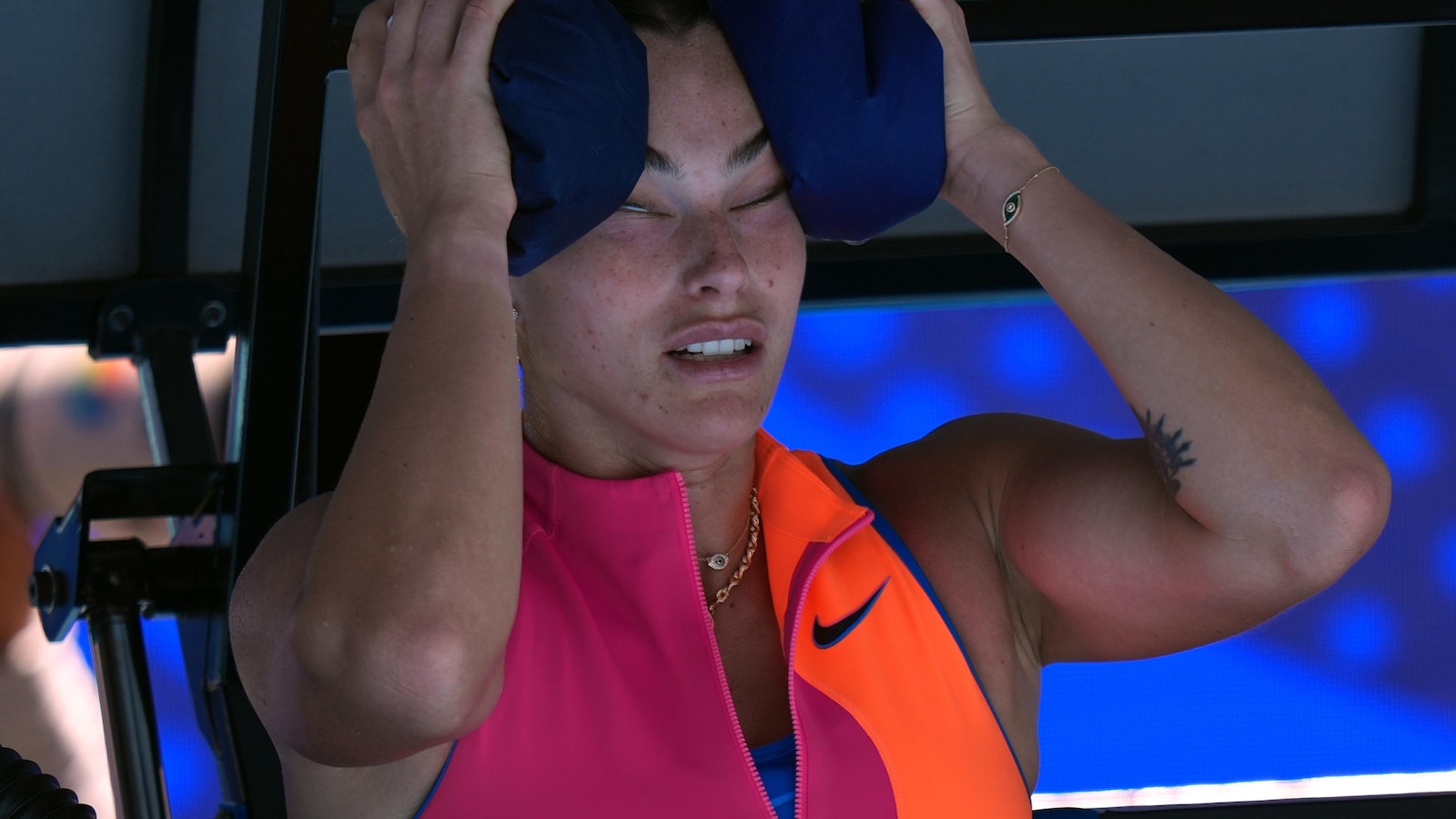
A prolonged heat wave pushed preliminary highs to 48.9°C in Hopetoun and Walpeup — near 50°C — while Melbourne neared record temperatures and three forest fires burned out of control. The extreme heat triggered emergency protocols at the Australian Open, cutting daytime attendance from about 50,000 to 21,000, and is expected to linger through the weekend, heightening near-term risks for public health, event operations, infrastructure strain and potential insurance claims.
Market structure: Extreme heat is a short-term demand shock for electricity/gas (+spot prices) and HVAC (units, spare parts), benefiting generators/retailers (e.g., ORG.AX, AGL.AX) and HVAC manufacturers (CCI, HON) while pressuring travel & leisure (QAN.AX, hotels) and agriculture (bulk commodity sellers). Pricing power rises for spot-exposed generators and HVAC aftershocks can lift revenues by a low-double-digit percentage for quarters where outages occur; insurers face higher near-term loss frequency but can reprice premiums over 6–12 months.
Risk assessment: Tail risk is a Black-Saturday scale bushfire causing catastrophic insured losses (>20% equity drawdown for insurers/reinsurers) and operational shutdowns in mining/logistics for days–weeks. Immediate (days) is volatility and spot-price spikes; short-term (weeks–months) is claims flow and utility outages; long-term (quarters–years) is structural capex into grid resilience and insurance repricing. Hidden dependencies include La Niña/El Niño persistence, reinsurance renewals in March, and government policy changes on building codes/price controls.
Trade implications: Direct plays: favor short-term longs in spot-exposed energy (3–6 months) and HVAC (6–12 months), tactical shorts in travel/leisure for next 1–3 months, and event-driven long-on-insurance after headline-driven selloffs if premiums rise. Volatility inflates options on insurer names and generators; consider defined-loss option structures to capture directional moves while capping downside. Rebalance toward energy/utilities/industrial capex and reduce cyclicals in consumer discretionary (travel) until mid-Q1 weather data confirm normalization.
Contrarian angles: Consensus may over-penalize insurers on headline heat without a major fire season — a 10–20% pullback could be a buying window ahead of premium resets. Conversely, energy names that have already rallied on spot spikes risk mean reversion when temperatures normalize; trim if spot power/gas prices fall >30% from peak. Historical parallels (2009) show permanent insurance repricing only after high-loss years; absent that, market reaction is often temporary and reverses within 3–9 months.
AI-powered research, real-time alerts, and portfolio analytics for institutional investors.
Request DemoOverall Sentiment
moderately negative
Sentiment Score
-0.30
