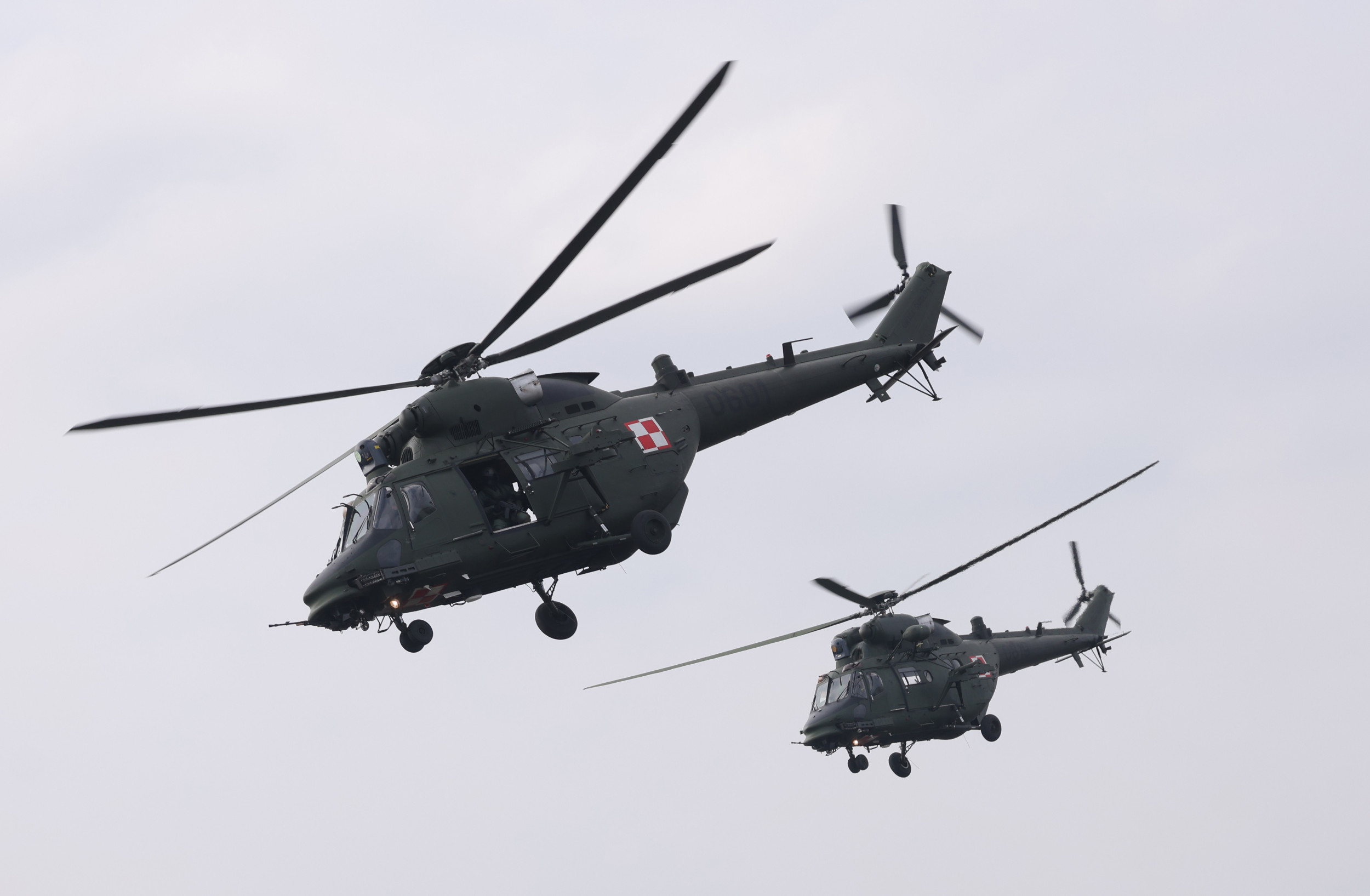
Polish Prime Minister Donald Tusk stated that the Polish military intervened against a sanctioned Russian "shadow fleet" ship suspected of suspicious activity near an undersea power cable connecting Poland and Sweden. The vessel was driven off to a Russian port. This incident occurs amid rising concerns about Russian destabilization efforts in Europe, including suspected sabotage and cyberattacks, and follows Poland's closure of the Russian Consulate in Krakow after blaming Moscow for a major Warsaw mall fire, further straining already tense relations between the two countries.
The recent military intervention by Poland against a sanctioned Russian 'shadow fleet' vessel near a critical undersea power cable connecting Poland and Sweden underscores a significant escalation in geopolitical tensions in the Baltic Sea region. This event, described by Polish Prime Minister Donald Tusk as a response to 'suspicious maneuvers,' occurs within a broader context of European NATO allies accusing Russia of engaging in hybrid warfare, including cyberattacks, disinformation, and sabotage, as evidenced by several undersea cables being cut in recent years. Poland's actions are further compounded by its recent closure of the Russian Consulate in Krakow on May 12, a direct response to Moscow's alleged involvement in a major fire at Warsaw's Marywilska shopping center, an accusation Russia deems 'groundless' and rooted in anti-Russia sentiment. The Kremlin has characterized Poland's measures, including the earlier closure of the Poznan consulate, as 'choosing hostility,' further degrading already 'deplorable' bilateral relations. The targeting of Russia's 'shadow fleet,' used to circumvent Western sanctions on oil, gas, and stolen Ukrainian grain exports, aligns with new UK and EU sanctions implemented on Monday, indicating a concerted effort to counter these illicit activities. These developments, including Lithuania's accusation of a Russian-linked arson attack at an IKEA store in Vilnius last year, amplify concerns among NATO's eastern flank nations regarding regional destabilization and direct threats to critical infrastructure, signaling a period of heightened vigilance and potential for further incidents.
AI-powered research, real-time alerts, and portfolio analytics for institutional investors.
Overall Sentiment
Negative
Sentiment Score
-0.60
