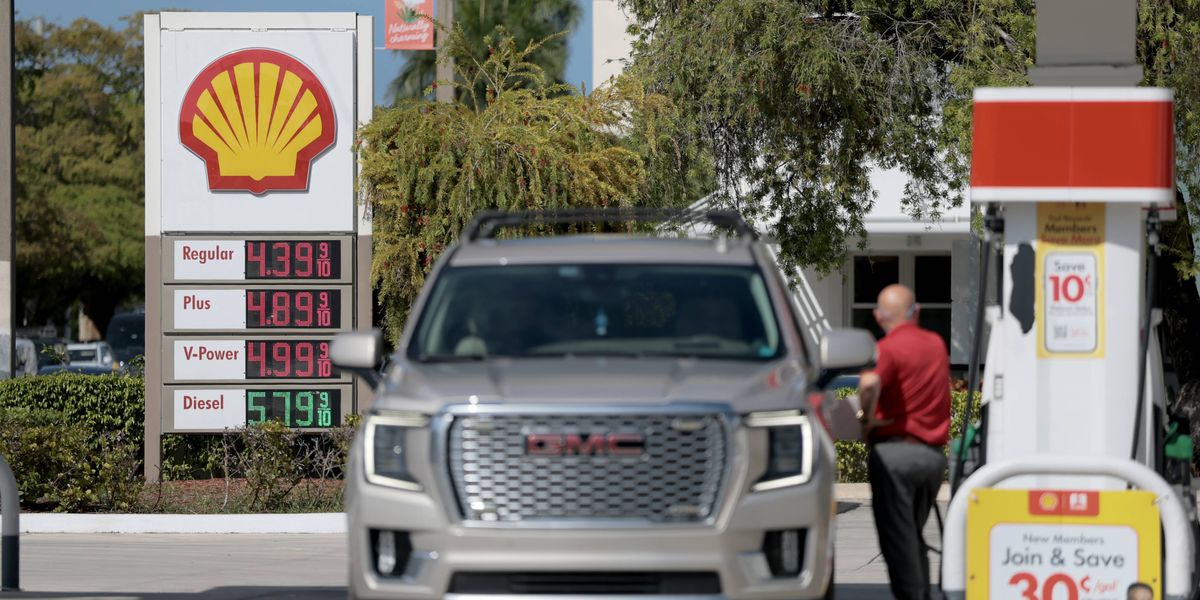
The IEA warned that global oil supplies are down to only weeks of reserves, with inventories "declining rapidly" amid the Strait of Hormuz crisis. Oil futures have not yet fully priced the shortage, but the article cites a potential move to $180 per barrel, rising food prices from fertilizer shortages, and a heightened risk of global inflation and recession. Trump’s renewed threats to Iran underscore continued geopolitical and energy-market volatility.
The market is still pricing this as a headline risk, but the real issue is inventory velocity: once physical barrels are being drawn faster than replacements can clear, prompt spreads widen before outright price futures fully reprice. That creates a near-term asymmetry in crude where calendar spreads, freight, and product cracks can move first, while the front-month benchmark lags until refiners and end-users are forced to chase cargoes. The biggest second-order beneficiary is not just upstream energy, but any asset tied to scarcity premia in storage, shipping, and optionality on volatility.
The inflation impulse is broader than energy itself because fertilizer and transport costs hit food with a lag, which means the macro damage can intensify even if crude pauses. That raises the odds of a policy mistake: central banks facing a temporary energy shock may still lean restrictive into a growth slowdown, which is bearish for cyclicals, small caps, and duration-sensitive credit. The key transmission window is weeks to months, not years; if the chokepoint remains impaired through the next inventory cycle, recession odds rise materially.
The contrarian view is that the market may be underestimating political pressure to engineer a fast de-escalation, and that any credible reopening of the strait would trigger a violent mean reversion in the most crowded long-energy expressions. In that scenario, the best risk-adjusted longs are not beta-heavy outright crude proxies but relative-value trades on refining, LNG logistics, and volatility. The other underappreciated risk is demand destruction: if oil rips too fast, industrial and consumer demand can roll over before the supply squeeze fully monetizes for producers.
AI-powered research, real-time alerts, and portfolio analytics for institutional investors.
Overall Sentiment
strongly negative
Sentiment Score
-0.85
Ticker Sentiment
