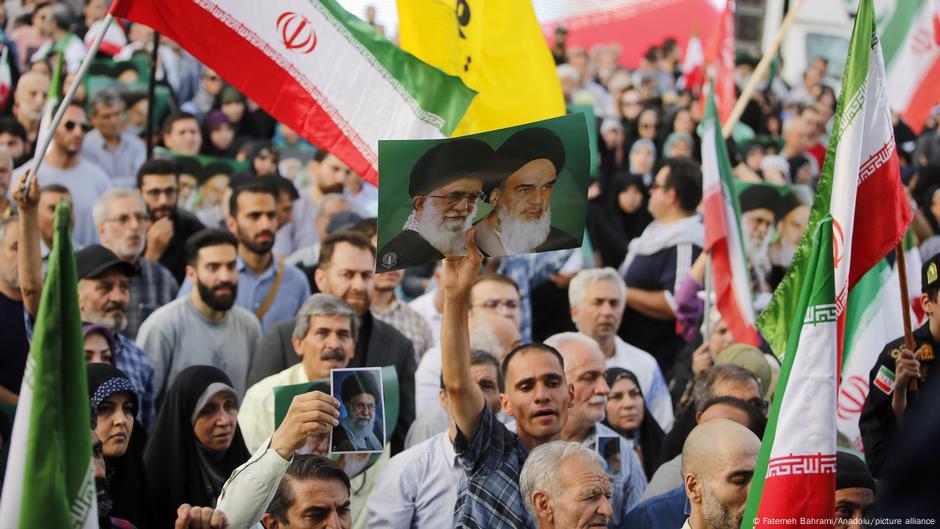
The U.S. and Israel conducted extensive airstrikes on Iranian nuclear facilities, with the U.S. claiming the program was "obliterated" and warning against retaliation. Iran has vowed a "response" and is actively considering closing the Strait of Hormuz, the world's most critical oil transit chokepoint through which approximately 20 million barrels of crude and fuels flow daily. This significant escalation has drawn international concern, with the UN warning of a "rathole of retaliation" and the IAEA unable to fully assess damage, severely heightening geopolitical risk and potential disruption to global energy markets.
The U.S. and Israel have executed a significant military escalation against Iran, conducting extensive airstrikes on three nuclear facilities in what the U.S. has termed "Operation Midnight Hammer." U.S. officials claim the strikes have "obliterated" Iran's nuclear program, deploying advanced assets including B-2 stealth bombers and "bunker-buster" bombs. This has triggered an immediate and severe geopolitical crisis, with Iran vowing a "response" and its parliament backing the closure of the Strait of Hormuz. The potential disruption to this chokepoint, through which an estimated 20 million barrels of oil and fuels flow daily (approximately 20% of global demand), represents the most acute near-term risk to global markets. While the final decision on the strait's closure rests with Iran's Supreme National Security Council, the threat alone introduces extreme volatility into energy prices. The situation is highly unpredictable, underscored by the UN's warning of a "rathole of retaliation," the IAEA's inability to assess nuclear site damage, and the U.S. ordering the departure of non-essential diplomatic staff from Lebanon.
AI-powered research, real-time alerts, and portfolio analytics for institutional investors.
Request DemoOverall Sentiment
strongly negative
Sentiment Score
-0.80
Ticker Sentiment
