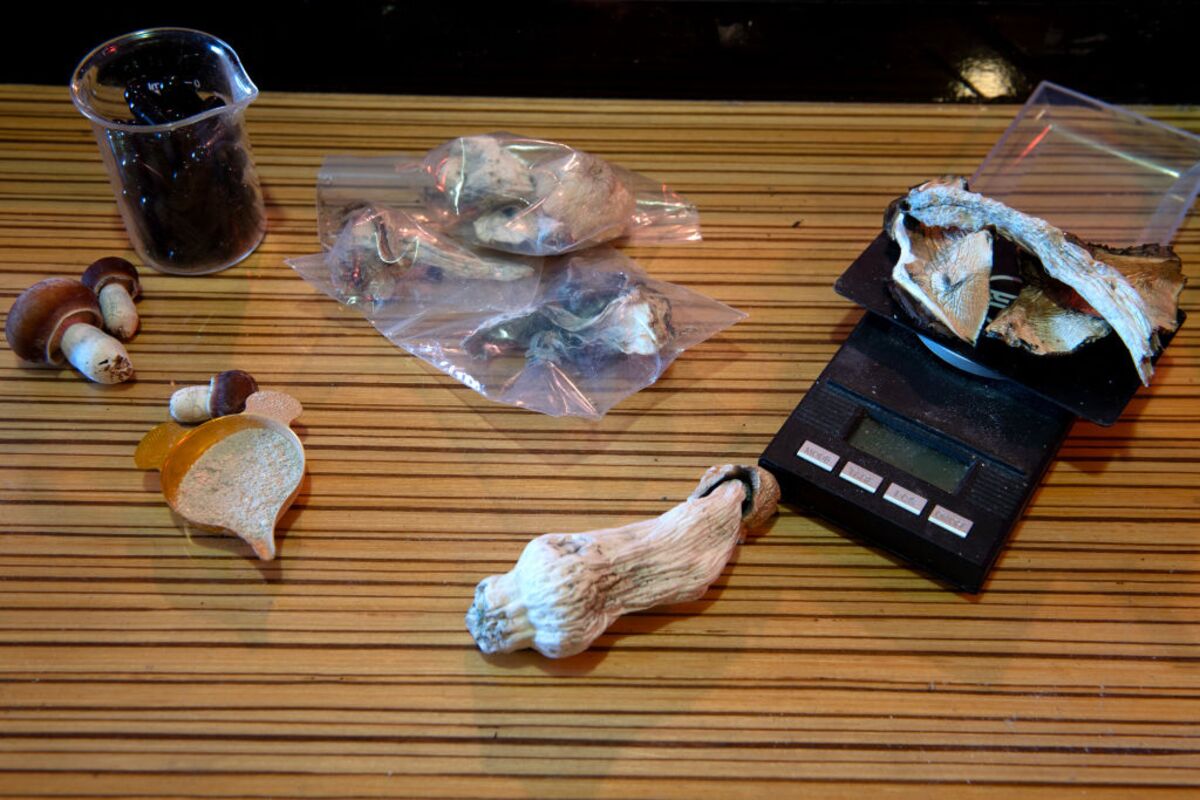
New Zealand has approved the medical use of psilocybin, a hallucinogen found in "magic mushrooms," for the first time, despite its classification as a drug with high potential for abuse under the UN's 1971 Convention on Psychotropic Substances; this decision follows recent studies suggesting psilocybin's efficacy in treating severe depression when combined with psychotherapy.
New Zealand's recent authorization for the medical use of psilocybin, a psychoactive compound found in over 200 species of 'magic mushrooms', represents a notable development in the evolving regulatory landscape for psychedelic substances. This decision diverges from the United Nations' 1971 Convention on Psychotropic Substances, which classified psilocybin as a drug with high abuse potential and no recognized medical utility. The approval in New Zealand is reportedly influenced by emerging scientific studies indicating psilocybin's potential efficacy in alleviating severe depression, particularly when administered in conjunction with psychotherapy. This regulatory shift, occurring despite the broader context of strict hallucinogen control in regions like Singapore, signals a cautious but growing acknowledgment of potential therapeutic applications for substances previously deemed to have no medical value, potentially paving the way for further research and controlled medical use in other jurisdictions.
AI-powered research, real-time alerts, and portfolio analytics for institutional investors.
Request DemoOverall Sentiment
moderately positive
Sentiment Score
0.40
