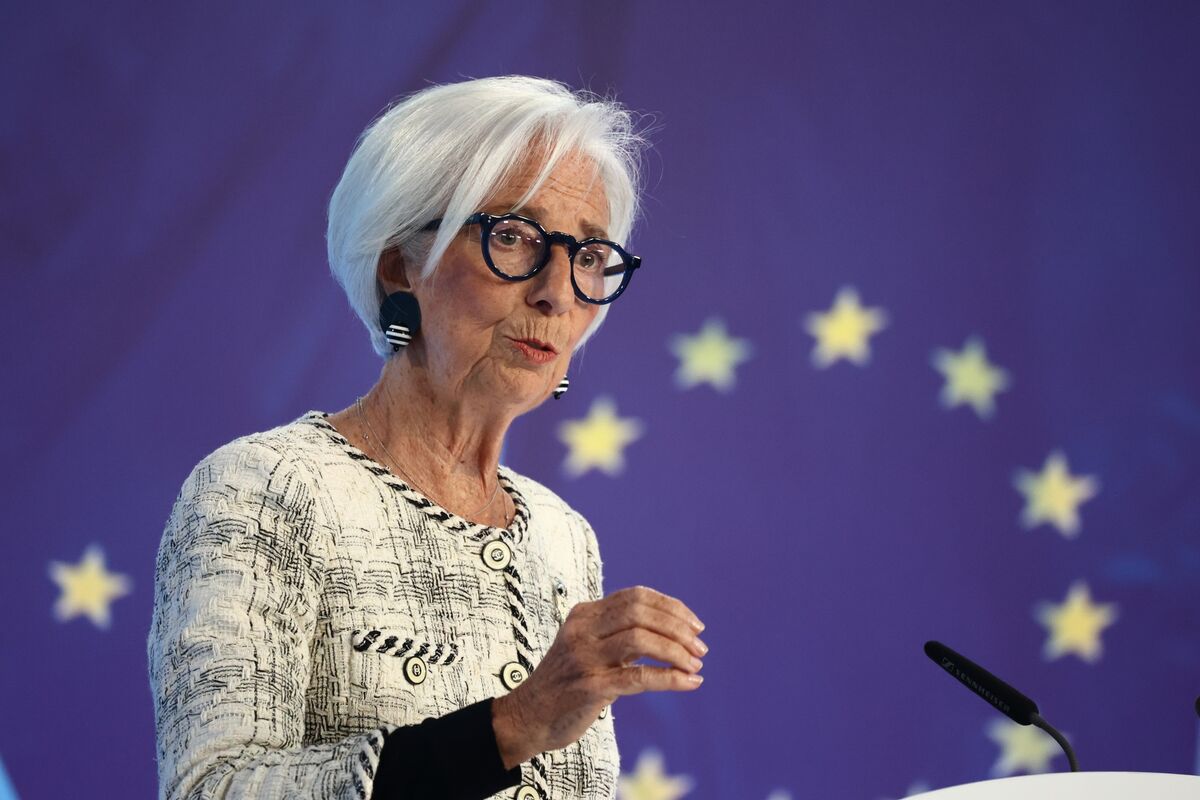
ECB President Christine Lagarde said euro-denominated stablecoins pose significant risks to financial stability and monetary-policy transmission, casting doubt on the case for introducing them. She noted potential upside from lower euro-area financing costs and a stronger global role for the euro, but emphasized the trade-offs. The remarks are cautious and mildly negative for euro stablecoin adoption and broader digital-asset initiatives in Europe.
The market implication is less about whether euro stablecoins exist and more about who controls the balance sheet behind them. If the ECB leans harder into this framing, the first-order losers are bank deposit franchises and payment intermediaries that rely on cheap, sticky retail funding; the second-order winner is the existing banking oligopoly, which can argue that any regulated tokenized euro rail should sit inside bank balance sheets rather than outside them. That creates a subtle squeeze on fintechs: their product velocity may stay high, but their cost of capital and regulatory path both worsen if the policy regime treats stablecoins as a substitution threat instead of infrastructure.
The more interesting risk is to monetary-policy transmission in a stress event, not in a calm market. In a rates-cut cycle or during sovereign spread widening, a widely used euro stablecoin could accelerate deposit migration out of smaller banks and into tokenized cash-like instruments, forcing banks to defend funding with higher deposit betas just as policy is easing. That would make the ECB more cautious about cutting aggressively, particularly if it sees the migration as impairing control over broad money and bank lending; the practical timeline is months to years, but the catalyst can arrive quickly if a major issuer, exchange, or wallet provider launches a euro product with meaningful distribution.
The contrarian view is that regulation may ultimately strengthen the category by forcing reserve segregation, auditability, and bank partnerships, which would make euro stablecoins more credible for cross-border settlement and merchant use. In that scenario, the negative on banks is less about immediate deposit flight and more about fee compression in payments and treasury services over 12-24 months. The payoff may therefore be asymmetrical: the policy rhetoric is bearish for standalone crypto-fintech names today, but any regulatory clarity that blesses euro-denominated tokenized cash could become a structural positive for euro-area capital markets and for banks that own the plumbing.
I would treat this as a medium-duration policy overhang rather than an instant sell signal. The key tell will be whether ECB messaging shifts from abstract stability concerns to explicit licensing, reserve, or wallet rules; that would turn headline risk into an actual distribution constraint for stablecoin providers and a funding advantage for incumbents. If that happens, the trade is less about directional FX and more about relative value between deposit-funded banks and fee-sensitive fintechs.
AI-powered research, real-time alerts, and portfolio analytics for institutional investors.
Request DemoOverall Sentiment
mildly negative
Sentiment Score
-0.25
