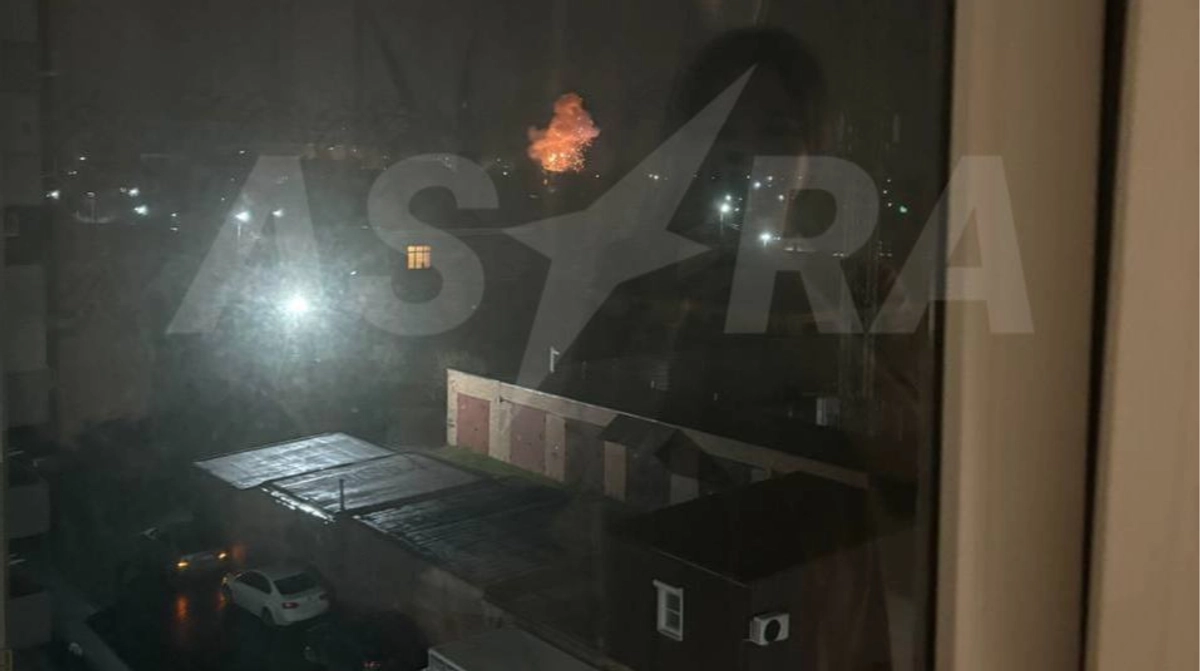
One fatality and one injury were reported after a large-scale drone attack on Taganrog, Rostov Oblast; explosions reportedly continued for more than two hours, causing fires, damage and evacuations and prompting a drone threat across the region. The incident signals an escalation in local hostilities, likely to raise regional risk premia, support defensive/defense-sector exposure and exert near-term downward pressure on investor sentiment for Russia and neighboring markets.
Market reaction to sudden, localized kinetic events is predictably risk-off in the first 48–72 hours — USD and long-duration Treasuries typically outperform, while broad equity indices lag. Expect top-tier defense primes to re-rate on flow and headline momentum: historical analogs show a 3–8% relative outperformance versus the S&P over the ensuing 2–6 weeks, driven by short-dated option buying and institutional rotation into perceived ‘safe’ defense exposures.
A less obvious transmission mechanism runs through component supply chains: demand for counter-UAV, EW, and small-tactical drone components (high-cycle Li-ion cells, MEMS IMUs, RF front-end modules) can lift spot prices for those inputs and favor specialists with proprietary IP. If regional conflict intensity persists beyond a few weeks, we should see procurement orders shift from large systems to modular, high-volume suppliers — a structural revenue tailwind for Tier-2/3 electronics and sensor firms over 3–12 months.
Tail risks cluster around escalation that intersects strategic energy or grain export nodes; a short disruption to Black Sea or adjacent port capacity could push regional freight and insurance premia materially higher within weeks and ripple into agricultural commodity volatility over a 1–3 month horizon. Reversal catalysts are equally identifiable: credible de‑escalation via back-channel diplomacy or rapid attrition of the tactical drone threat would unwind the “defense bid” within days and create mean-reversion opportunities.
Consensus will pile into large primes; that trade is crowded and short-duration priced. Alpha is likelier in selectors: small/mid-cap avionics, EW and C-UAV specialists, and reinsurers that will reprice premiums — these names react more to sustained procurement signals than to headline noise, so patience over 3–12 months is required to capture the full re-rating potential.
AI-powered research, real-time alerts, and portfolio analytics for institutional investors.
Request DemoOverall Sentiment
strongly negative
Sentiment Score
-0.70
