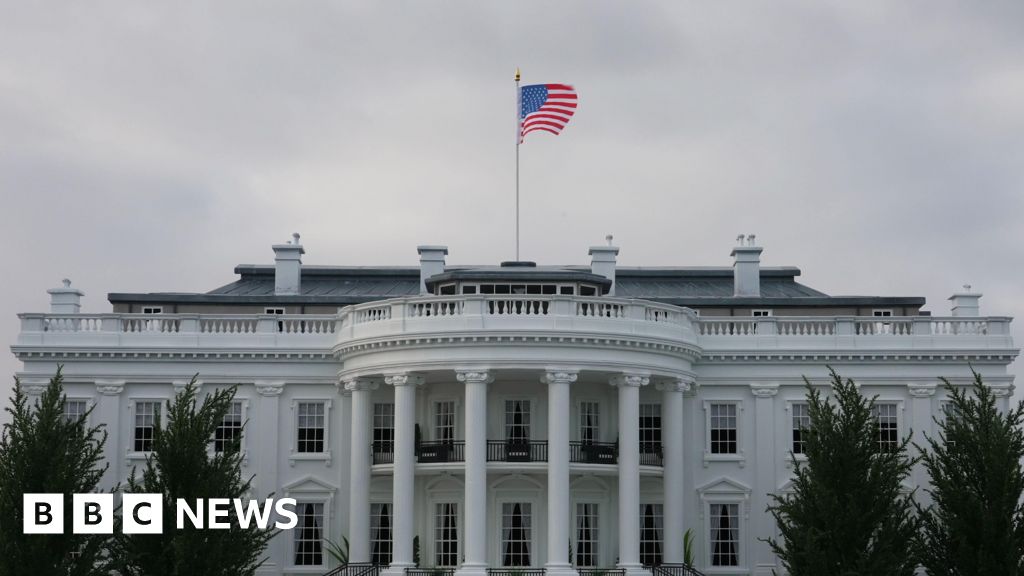
The White House has directed federal agencies to prepare "reduction in force" plans for programs lacking alternative funding and not aligned with presidential priorities, in anticipation of a government shutdown if Congress fails to pass a budget by the September 30 deadline. This directive follows stalled budget negotiations, with President Trump refusing to engage with Democrats over healthcare funding, signaling a heightened risk of significant federal workforce reductions and operational disruptions across government functions.
The White House has escalated its posture ahead of the September 30 budget deadline by directing federal agencies to draft "reduction in force" plans, signaling a material risk of a government shutdown and permanent employee terminations. This directive moves beyond typical shutdown contingency planning, as it specifically targets programs deemed inconsistent with presidential priorities and lacking alternative funding, suggesting a strategic downsizing rather than a temporary furlough. The impasse stems from stalled negotiations between the Trump administration and Congressional Democrats, with the core dispute centered on the restoration of healthcare funding, particularly for Medicaid, which was previously cut. The Republican-led House's short-term funding measure has been blocked by Senate Democrats, and President Trump's subsequent refusal to meet with Democratic leaders underscores the political polarization that makes a near-term resolution unlikely. The strongly negative sentiment (-0.7) and high market impact score (0.75) associated with this development reflect significant investor concern over the potential for economic disruption, diminished consumer confidence, and operational halts for government-dependent industries.
AI-powered research, real-time alerts, and portfolio analytics for institutional investors.
Overall Sentiment
strongly negative
Sentiment Score
-0.70
