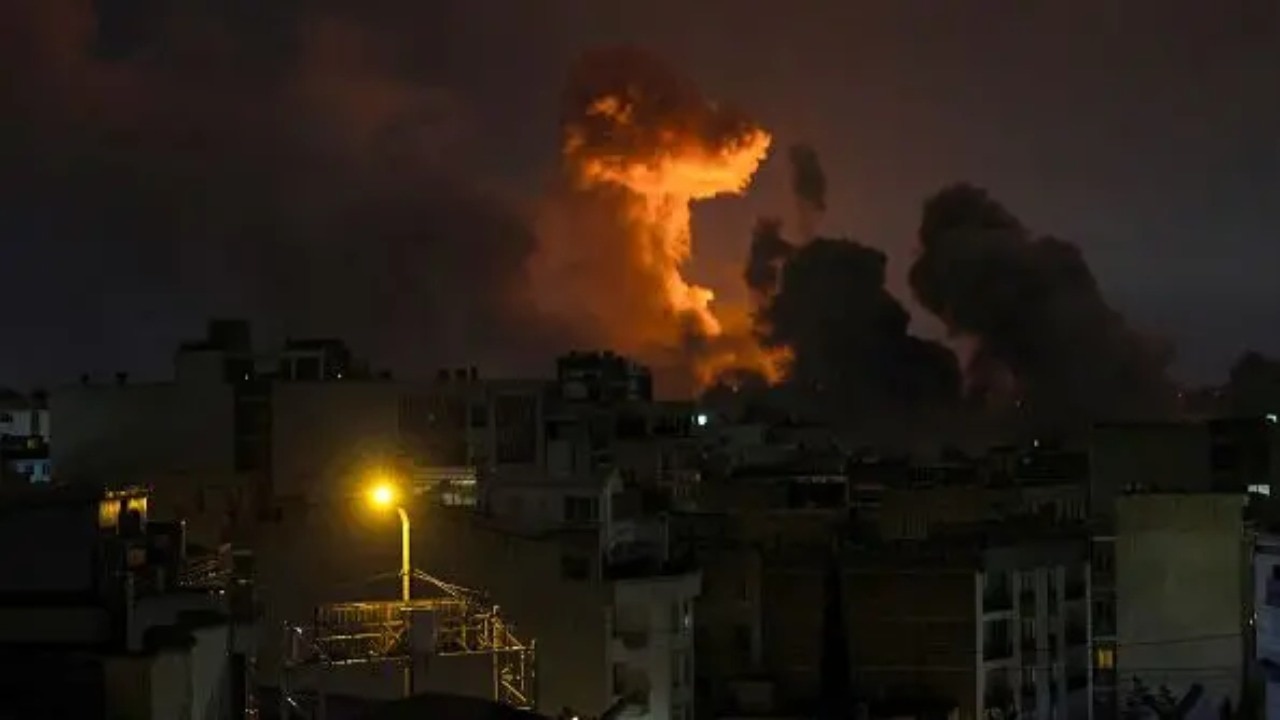
Lebanon's death toll has surpassed 1,200 with more than 3,500 wounded amid ongoing Israel–Hezbollah fighting, while multiple strikes and missile barrages between Iran and Israel continue to escalate. Iran's Khondab heavy water plant was reported by the IAEA as no longer operational after severe damage; Tehran experienced air-defence activations and temporary power outages (mostly restored) from grid shrapnel damage. The US is reportedly preparing for potential weeks-long ground operations and regional diplomatic activity is intensifying (Pakistan hosting foreign ministers), raising the risk premium for energy/shipping near the Strait of Hormuz and likely driving a sustained market risk-off reaction.
The market is pricing a high probability of protracted, regionally dispersed kinetic activity; the immediate second-order market mechanism is a surge in risk premia across freight, insurance (war-risk), and short-duration energy logistics contracts that can transmit to Brent and LNG within days-to-weeks. Expect freight rates for VLCCs and LNG spot shipping to reprice higher by 15–40% within 2–6 weeks if Strait-of-Hormuz transits remain intermittently threatened, creating a mechanical $4–10/bbl oil-equivalent shock into near-term margins for importers and refiners.
Defense-capex and munitions inventories are the structural winners over 3–12 months: governments will rush replenishment orders that hit primes and select tier-2 suppliers with 6–18 month lead times, widening revenue visibility for companies with domestic production lines and non-China supply chains. Conversely, travel, tourism, and EM carry trades face immediate outflows; expect short-term sovereign funding stress in Lebanon-style credit and wider EM local-currency yield moves that could force central bank interventions within weeks.
Diplomacy remains the primary path to normalization; the key catalyst that would reverse risk premia is credible US-Iran channeling (trackable via confirmed neutral-site talks) within 4–8 weeks. Absent that, the regime of episodic strikes and counter-strikes implies persistent volatility, making short-dated option plays and asset-hedges more efficient than outright long-dated directional exposure.
AI-powered research, real-time alerts, and portfolio analytics for institutional investors.
Request DemoOverall Sentiment
strongly negative
Sentiment Score
-0.80
